
Olive oil and garlic are the dynamic duo at the heart of Spanish cooking and the broader Mediterranean pattern. You’ll use olive oil as the main flavor vehicle, from breakfast to tapas, while garlic adds aroma, depth, and balance. Their roles span regional varieties, sustainable practices, and everyday techniques—slicing, toasting, and careful heat. Together they shape texture, mouthfeel, and cultural identity. Master these basics and you’ll discover deeper flavors and regional pairings that await beyond the basics.
Key Takeaways
- Olive oil is the primary flavor vehicle in Spanish cuisine, shaping daily dishes and regional identities within the Mediterranean diet.
- Garlic provides aroma, depth, and balance, adapting to seafood, vegetables, and meats across Spanish meals.
- Regional olive oil varieties (e.g., Picual, Arbequina) offer distinct flavor and polyphenol profiles influencing pairing choices.
- Cooking techniques—slicing, toasting, and controlled heat—preserve nuance and highlight olive oil–garlic synergy.
- Sustainable practices and regional terroirs support resilience, quality, and cultural traditions central to the Spanish Mediterranean diet.
Why Olive Oil and Garlic Anchor Spanish Cooking
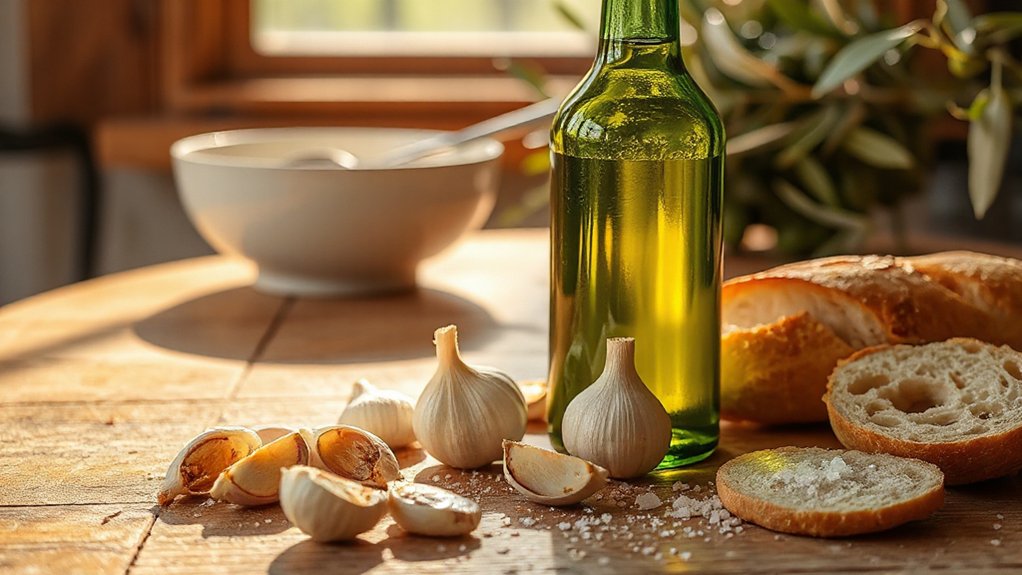
Olive oil and garlic are foundational in Spanish cooking because they form a simple, flavorful base that highlights regional ingredients. You’ll notice this anchor across kitchens, from coastal bodegas to inland tavernas, because their pairing is versatile, affordable, and efficient in both prep and flavor development.
Olive oil farming informs every drop you use, shaping aroma, texture, and mouthfeel while supporting sustainable, traditional practices. Garlic harvesting supplies a sharp, sweet note that balances richness and heat, enabling quick shifts from raw to sautéed to braised dishes.
Together, they create a cohesive palate that adapts to seafood, vegetables, and meats without overpowering regional identities. The result is accessible, data-backed simplicity that preserves regional terroir in every plate.
How the Mediterranean Diet Shapes Oil and Garlic Use in Spain
You follow a Mediterranean pattern that blends olive oil’s utility with garlic’s aromatics to shape everyday cooking in Spain.
You’ll see olive oil act as the primary flavor vehicle while garlic provides aroma and depth, with amounts guided by dish and region.
You’ll notice how the diet’s emphasis on fresh produce and simplicity keeps these elements central, yet adaptable across meals.
Olive Oil Utility
What makes olive oil central to Spanish cooking? You’ll see it key in daily meals, from breakfast toast to late-night tapas. Its versatility guides choices across regions: extra-virgin acts as a finishing drizzle, refined oils for sautéing, and blends for frying.
Demand tracks with olive oil production data, highlighting regional varieties and seasonality that shape menus. You’ll also notice how oil quality informs health claims and flavor profiles, influencing pairings with vegetables, legumes, and seafood.
In parallel, garlic cultivation techniques influence the aromatic base you rely on; growers optimize bulb size, aroma, and stability. Together, olive oil utility and garlic’s presence structure pantry habits, cooking sequences, and cost decisions in Spain’s Mediterranean diet.
Garlic Aromatics Roles
Garlic plays a foundational role in shaping flavor from the outset of a Spanish meal. You’ll notice how fresh garlic compounds the aroma early, guiding simmer times and oil temperature for consistent results.
In Spain, garlic aromatics influence dish profiles more than quantity alone, because the timing of sizzling, sweating, and mild toasts determines the final intensity.
Garlic cultivation practices, from bulb selection to harvest timing, affect aroma strength and uniformity across regions, enabling predictable flavor bases for sauces, stews, and vegetable dishes.
The aromatic infusion process, where garlic meets olive oil, creates a unifying, Mediterranean backbone.
You’ll achieve balance by controlling heat, avoiding burnt notes, and allowing gentle infusion to carry garlic sweetness without overpowering the oil’s fruitiness.
Garlic’s Role in Spanish Flavors and Traditions
You’ll notice garlic’s aroma anchors many Spanish traditions, from tapas plates to Sunday stews.
Its pairing with olive oil highlights a synergy that flavors dishes, elevating both aroma and texture.
Across Spanish dishes, garlic isn’t just an ingredient—it signals regional identity and time-tested techniques.
Garlic Aroma Traditions
In Spanish cuisine, garlic’s aroma anchors both everyday meals and festive dishes, guiding flavor choices from saffron-dusted paella to simple pan al ajillo. You sense tradition in every whiff, where aroma signals technique as much as taste.
Across regions, fermentation of garlic adds mellow depth, balancing sharpness with sweetness and creating note-like bases for sauces and marinades. You’ll notice the interplay with olive oil harvesting cycles, since fresh oil amplifies garlic’s fragrance in early-season dishes and short, high-heat sautés.
Aroma-driven choices inform palate memory, encouraging reuse of the same technique across generations. This tradition fuses practicality with celebration: aroma becomes memory, technique becomes trust, and flavor remains a hallmark of Mediterranean identity.
Spanish Dishes And Garlic
Spanish cooking leans on garlic to layer bold flavors across tapas, stews, and seafood. You’ll notice garlic’s impact in classics like gambas al ajillo and ajoarriero, where it balances olive oil’s fruitiness with heat and aroma.
In daily kitchens, you’ll track flavor development by toasting slices briefly, then adding ingredients in sequence to preserve nuance. Data show garlic’s sweetness rises when sliced and rested, informing timing for dish execution.
Across regions, you’ll encounter varying intensity—from mild, Garden garlic to assertive varieties—affecting seasoning prescriptions. Olive oil production and garlic cultivation techniques shape baseline profile, influencing regional pairings and price.
The result is a cuisine guided by measured heat, minimal waste, and a consistent expectation: garlic amplifies every element without overpowering it.
Olive Oil Synergy Flavors
Olive oil releases a spectrum of flavors when garlic enters the pan, shaping the aroma, texture, and balance of Spanish dishes. You’ll notice how low heat preserves delicate notes, while higher heat amplifies bitter and nutty tones, guiding the dish’s overall profile.
The synergy between olive oil and garlic boosts aroma release, fat-soluble compounds, and quick sizzle, creating a cohesive foundation for toppings, stews, and vegetables. In practice, you’ll leverage olive oil synergy to modulate intensity: mild oils for subtle dishes, robust oils for bold finishes.
Garlic’s sugars caramelize, adding sweetness that balances acidity from tomatoes or vinegar. This interaction supports flavor enhancement across regional bases, from tapas to stews, affirming garlic as a deliberate, economically efficient flavor architect in Spain.
Regional Olive Oils: Varieties, Flavor Profiles, and Pairings
Regional olive oils vary by climate, varietal, and processing, yielding distinct flavor profiles and ideal pairings. You’ll notice that Andalusian Arbequina delivers buttery, green-fruit notes with medium acidity, while Picual emphasizes peppery finish and higher polyphenols.
In Catalonia, we see Nyons-like cultivars producing balanced fruit and almond hints. Northern Spain favors oil with milder bitterness, suited to seafood, whereas southern regions express robust fronzos and grassy tones ideal for grilled vegetables.
Processing, including cold-pressing and storage, shapes aroma retention and mouthfeel; olive oil fermentation can influence complexity, especially in early-harvest batches.
Pairings hinge on intensity: delicate oils for garlic cultivation dishes, and brash oils for roasted peppers or grilled chorizo. Use flavor maps as a practical guide to maximize Mediterranean flavors.
Daily Health Benefits of Olive Oil and Garlic in Spain
- You may experience steadier blood pressure and improved cholesterol ratios.
- You’ll benefit from garlic’s immune-supporting compounds during seasonal changes.
- Olive oil’s anti-inflammatory properties may ease daily aches.
- Consistent use supports endothelial function and circulatory health.
Keywords: Olive oil extraction, Garlic cultivation techniques.
Everyday Techniques for Pan-Tempering and Finishing Touches
When you’re pan-tempering, start with a hot, stable pan and add aromatics or spices in brief bursts to control aroma release and avoid scorching. You’ll notice that timing matters: add garlic after the oil shimmers, not before, to prevent bitterness and uneven flavor.
Use medium heat for delicate herbs, higher heat for peppers or dried spices, then finish with a gentle splash of lemon or vinegar to brighten the pan notes.
Stir continuously to evenly distribute fats and aromatics, preventing hot spots. Texture matters too: remove whole spices before serving to avoid biting into hard bits.
In daily practice, embrace concise cooking techniques and deliberate flavor pairing to maximize aroma, color, and mouthfeel without overprocessing.
The History, Chemistry, and Sustainability of Spain’s Olive Oil
Spain’s olive oil has shaped cuisines and economies for millennia, blending ancient cultivation with modern chemistry to produce a product valued worldwide for its flavor, health benefits, and sustainability.
You’ll see history anchored in olive cultivation as vines of tradition meet modern analytics, revealing origins, trade routes, and varietal diversity. Chemistry highlights fatty-acid profiles, polyphenols, and extraction efficiency that distinguish grades and flavor notes.
Sustainability centers on drought resistance, water-use efficiency, and waste valorization from pomace and pruning.
- Deep roots meet innovation, driving regional terroirs and economic resilience.
- Measured chemistry informs quality, labeling, and health claims with transparency.
- Sustainable practices reduce energy and water footprints across the supply chain.
- Garlic fermentation and olive oil work together in harmony, shaping sensory depth.
Building a Spanish Pantry: Selecting Olive Oil and Garlic for Home Cooks
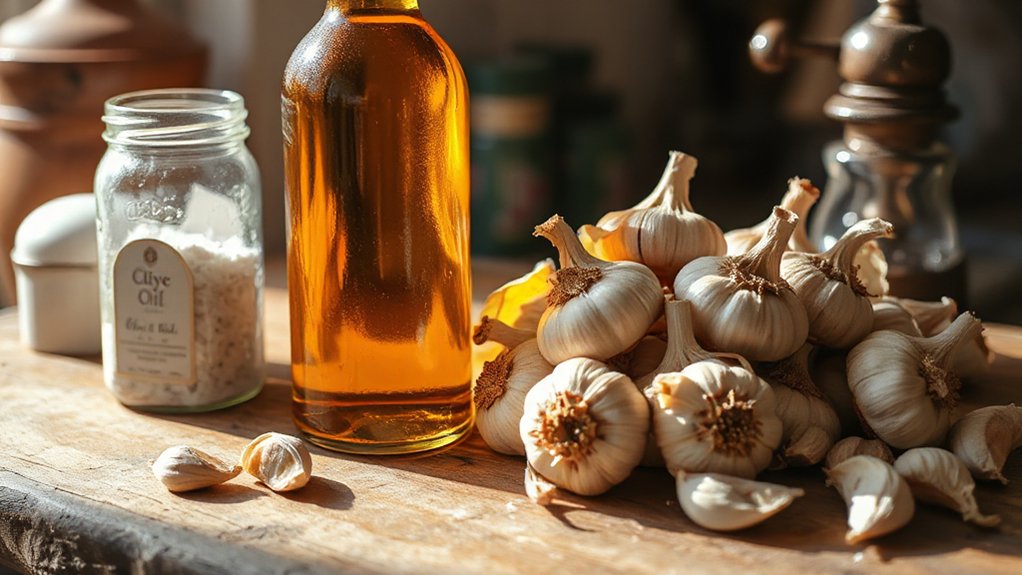
If you’re stocking a Spanish pantry, choose olive oil and garlic with an eye toward flavor, versatility, and daily use. You’ll prioritize olive oil cultivation regions known for consistent quality, and select bottle styles that fit your cooking tempo—extra virgin for dressings, early-harvest blends for sautéing.
Track acidity and aroma notes: green fruit, almond, or peppery finishes signal suitability for everyday tasks. For garlic, prioritize firmness, dry skins, and tight cloves to maximize garlic preservation in your kitchen, ensuring longevity and potency.
Pair oils with garlic-friendly formats: whole cloves for roasting, minced or pressed for quick sauces. Invest in a small amber bottle to shield delicate oils from light.
Maintain a rotating shelf of 1–2 months’ supply, then refresh.
Frequently Asked Questions
How Is Olive Oil Graded for Spanish Cooking?
You grade olive oil in Spain by sensory quality and certifications, rating acidity, fruitiness, and defects; you value certifications like PDO/PGI and Organic. You compare olive oil production data, harvest timing, and processing methods for accuracy.
Can Garlic Influence Olive Oil’s Health Benefits?
Garlic boosts olive oil’s health benefits by adding garlic antioxidants; you’ll still enjoy olive oil flavor profiles, as compounds synergize rather than negate. You’ll experience richer taste and potential anti-inflammatory effects when you combine them thoughtfully.
Do Regional Oils Affect Garlic Pairings Differently?
Regional flavor and oil aroma influence pairing enough to matter; you’ll notice subtle differences. You may find certain regional oils harmonize better with garlic, while others highlight harsher notes, guiding your choices for balanced, data-driven meals.
How Do You Store Garlic With Olive Oil Safely?
You’re safer refrigerating peeled garlic submerged in olive oil for no more than 3 days; otherwise throw it out. Garlic peeling prep helps, and olive oil infusion should stay cold, labeled, and tightly sealed for freshness.
Which Olive Oil Uses Suit Vegan Spanish Dishes?
You’ll want a light, fruity extra-virgin olive oil for vegan Spanish dishes. It pairs best with vegan flavorings and plant based pairings, offering clean taste, high smoke point, and robust sauce-ready versatility for everyday cooking.
Conclusion
You reach for olive oil and garlic, and suddenly the kitchen feels like a map of Spain—coincidence guiding your hands to the right bottle and clove at exactly the moment you need them. The data backs what your senses already know: health benefits stack with flavor, and everyday techniques turn simple ingredients into dishes with regional soul. Keep this pair close, and you’ll taste the Mediterranean in every bite, every day, no planned detours needed.