
La Tomatina and Beyond invites you to see how local Spanish fiestas fuse memory, community, and regional flair. You’ll notice streets becoming stages for ritual, music, and shared recipes that reveal values and history. From Catalan processions to Andalusian flames, each celebration signs its own symbols, costumes, and roles, shaping neighborhood identity. Tourists and locals mingle, shaping timing and space while preserving tradition. If you keep exploring, you’ll uncover how these festas knit people together across Spain.
Key Takeaways
- Local Spanish fiestas unify communities through rituals, costumes, food, music, and collective memory that transform public spaces into celebratory stages.
- Regional diversity shapes fiestas with distinct attire, symbols, and crafts that encode local history, legends, and social roles.
- La Tomatina embodies tradition and playful protest, using preparation, parades, and cleanup to reinforce communal identity.
- Tourism reshapes fiesta dynamics via crowd management, multilingual guides, and economic impacts while testing authenticity and sustainability.
- Andalusian processions highlight faith-driven rituals where candles, crosses, and myths foster communal memory and dialogue between tradition and modern street life.
What Local Spanish Fiestas Are (And Why They Matter)
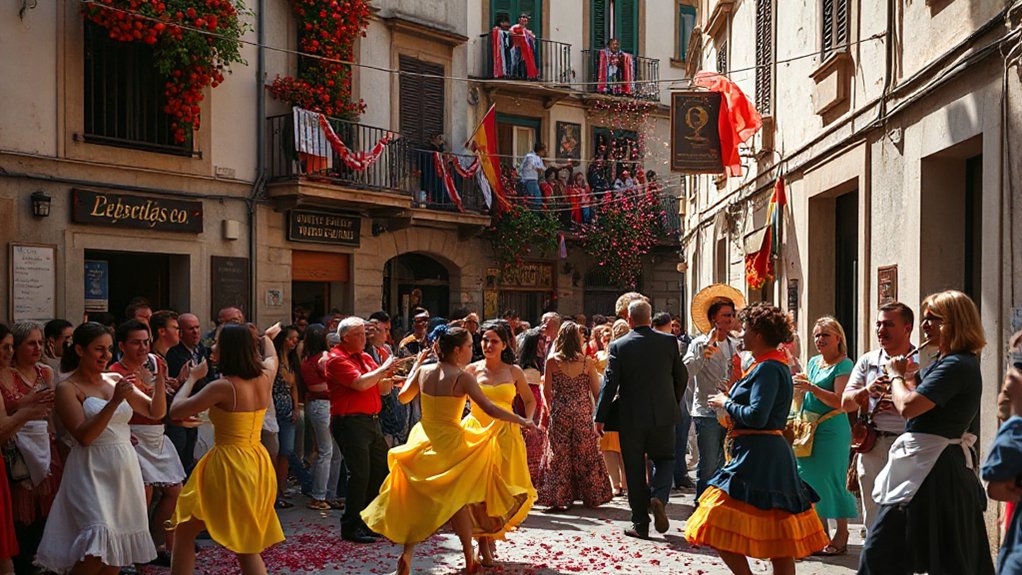
Local Spanish fiestas are community celebrations that knit neighborhoods together with shared rituals, foods, and music. You notice how they unfold in streets and plazas, turning everyday spaces into stages for collective expression.
These events aren’t random; they reflect cultural significance sewn into daily life, a way you understand a town’s values through its dances, processions, and shared recipes.
You’ll sense that many fiestas trace back to ancient harvests, patron saints, or guilds, revealing their historical origins through symbols, costumes, and songs.
Participation matters: you’re invited to join, watch, taste, and learn, not just observe.
By design, fiestas connect generations, reinforcing memory and identity while adapting to modern rhythms.
They matter because community, history, and celebration become one ongoing conversation.
Spain’s Regional Fiesta Flavors, at a Glance
Spain’s regional fiestas don’t just echo the country’s diversity—they taste it. When you move from Galicia to Andalusia, you notice flavors as distinct as dialects and crafts, backed by centuries of historical origins.
You’ll sense how Catalonia’s humanist processions mingle with fiery Valencia’s fallas, each event rooted in festivity and memory. The Cultural significance isn’t just spectacle; it’s communal memory, passing rituals from one generation to the next, often tied to harvests, saints, or local legends.
You observe how Basque celebrations fuse music, sport, and ritual, while Extremadura’s processions carry agrarian echoes. Across regions, you feel intent behind every custom: a shared purpose, a living tapestry.
In short, these flavors reveal identity, not just entertainment.
La Tomatina as a Window Into Festive Diversity
You’ll notice how La Tomatina reveals a Diverse Festival Tapestry, where communities mix tradition with playful protest. As you observe, Local Identity Expressions surface in costumes, rituals, and the way neighborhoods welcome visitors.
The scene also highlights Global Visitor Dynamics, showing how travelers reshape the festival’s rhythm and meaning.
Diverse Festival Tapestry
La Tomatina offers a vivid lens into how festival practices reflect broader cultural textures, showing how a single event can echo regional identity, humor, and community coordination. You observe how diverse fiestas share methods—crowd participation, timing rituals, and regulated spontaneity—that reveal Cultural significance across Spain’s landscapes.
From bustling plazas to rural squares, you sense shared técnicas for managing crowds, music, and food, all while preserving unique flair. You note how Historical origins surface in traditions that adapt rather than repeat, allowing towns to reinterpret old motifs for contemporary audiences.
This tapestry isn’t just about spectacle; it’s about communication, trust, and neighborly reciprocity. By comparing practices, you recognize how variety reinforces unity, inviting curiosity without eroding local character or safety norms.
Local Identity Expressions
La Tomatina isn’t just a tomato fight; it’s a vivid display of how a town translates local identity into a shared, performative ritual. As you watch, you notice more than chaos—patterns emerge in the way residents prepare, parade, and participate, revealing a culture that uses play to articulate belonging.
Local craftsmanship threads through every detail, from handmade banners to custom aprons, signaling pride in craft and place. You hear how musical traditions accompany the moment of release, guiding tempo and emotion even as laughter erupts.
The ritual’s spontaneity sits atop deliberate conventions—timed entrances, safety pauses, and communal cleanup—that sustain trust and continuity. In this lens, festivity becomes a living map of a community’s roots and aspirations.
Global Visitor Dynamics
Global visitors arrive not just to witness La Tomatina but to participate in a cross-cultural exchange that highlights festive diversity. You’ll notice how tourist flow reshapes timing, space, and interaction, turning a local ritual into a shared spectacle.
As you compare crowds year over year, you sense the pull of authenticity balanced against convenience and hype. Tourist impact emerges in multilingual guides, translated signage, and waiting times that test community hospitality.
Local hosts adapt, calibrating experiences without diluting meaning. Economic effects ripple beyond entry fees, fueling accommodation, transit, and vendor networks, while governance debates focus on sustainability, safety, and heritage protection.
- Visitor demographics and motivations
- Seasonal capacity and crowd management
- Local business responses and collaborations
- Cultural preservation vs. commercial pressures
Fire, Faith, and Flame: Andalusian Processions
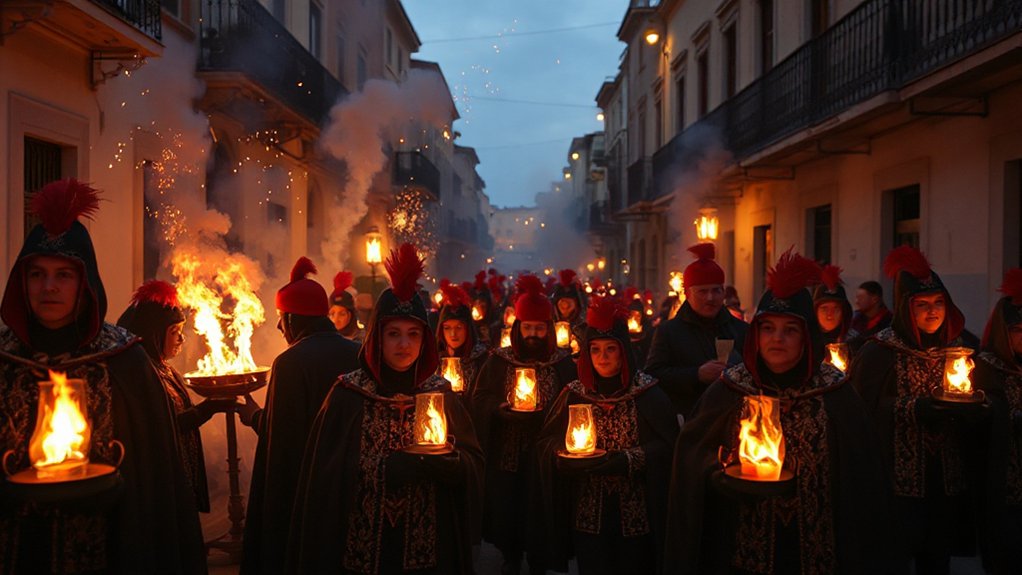
In Andalusian processions, flame and faith intertwine as crowded streets glow with candles, torches, and ornate lanterns, guiding worshippers and curious onlookers alike. You move with the crowd, noting how the flame becomes a living axis around which prayer and music rotate.
Cultural symbolism threads through every step, from the alight crosses to the velvet banners that ripple in the breeze. You sense a communal heartbeat, a ritual cadence shaping memory as locals recount legends and myths that give direction to the spectacle.
Mythical origins surface in whispered tales of saints and protector spirits, yet the real heat comes from shared devotion and the collective glow. The procession remains a vivid, contextual dialogue between tradition and modern street life.
Northern Candlelit Winter Fiestas: Mysteries and Traditions
Northern Candlelit Winter Fiestas unfold under hushed skies where frost-gray streets bend toward warmth. You walk through doorways lit by low flames, sensing Candlelit traditions that tether communities to shared memory. Night air carries whispers of Winter mysteries, as old songs drift from taverns and churches, inviting you to listen closely.
Each square hosts quiet rituals—lamplight, bells, a hush before the crowd swells—yet the actions stay intimate, almost intent on protection and ritual belonging. You note how neighbors trade stories, not goods, and how patience slows time just enough to feel gratitude.
The season’s edge sharpens perception, reminding you that celebration is a careful balance of myth, memory, and mercy.
Ritual Moments of Hospitality: Food, Favors, and Welcoming Outsiders
You notice how food acts as a quiet invitation, turning guests into temporary locals through shared flavors and simple abundance.
Favors and small tokens, handed with a smile, signal belonging even before words are spoken.
As outsiders are welcomed, you can see hospitality become a ritual that stitches community, one plate at a time.
Food as Welcome
Food serves as an open invitation in La Tomatina and broader Spanish fiestas, where shared meals, favors, and small acts of hospitality welcome outsiders into a community moment.
You observe how tables become classrooms in motion: bites passed around, neighbors explaining the origin of dishes, and newcomers offered seconds as a sign of belonging. The ritual isn’t just sustenance; it’s a bridge, a communal wink that says you’re one of us for now.
You notice pockets of Traditional music blending with chatter, while artisans showcase Local crafts, inviting compliments and questions. The pace slows to accommodate conversations, not deadlines. Hospitality here nourishes trust, linking strangers through shared flavors and stories.
- Shared plates and passing conversations
- Local music as tempo
- Crafts inviting inquiry
- Small favors, big welcome
Favors and Hospitality
Across La Tomatina and other Spanish fiestas, favors extend hospitality beyond meals, turning small gestures into welcome rituals. You notice how a neighbor saves a seat, offers a drink, or lends a scarf to a visitor, each act signaling belonging.
These favors form the social fabric, a quiet craft of reciprocity that reinforces community bonds. In many towns, a guest might receive a sweet token, a handwritten note, or a simple dish shared in the doorway, underscoring the ritual value of presence.
Cultural significance emerges in how hosts balance generosity with humility, inviting outsiders without overwhelm. You sense Local hospitality as a practiced language, where smiles, small favors, and shared space communicate trust and inclusion.
Participating Respectfully: Etiquette for Travelers and Locals
Participating respectfully means balancing curiosity with consideration, especially in crowded fiestas where locals see traditions up close. You’ll feel the pulse of the crowd, but you should move with care, avoid blocking view lines, and follow the lead of organizers and volunteers.
Stay mindful of noise levels, pushiness, and personal space, and remember that hospitality has limits during large events. Dress modestly enough to blend in, and ask before joining a circle or photo.
Celebrate with kindness, not bravado, and thank contributors who share insights or help you navigate. Your awareness reinforces cultural sensitivity and keeps the focus on shared enjoyment.
- Observe local cues before joining in
- Seek permission for photos or close participation
- Respect instructions from organizers and volunteers
- Thank hosts and neighbors for their hospitality
The Costumes and Symbols Behind Regional Fiestas
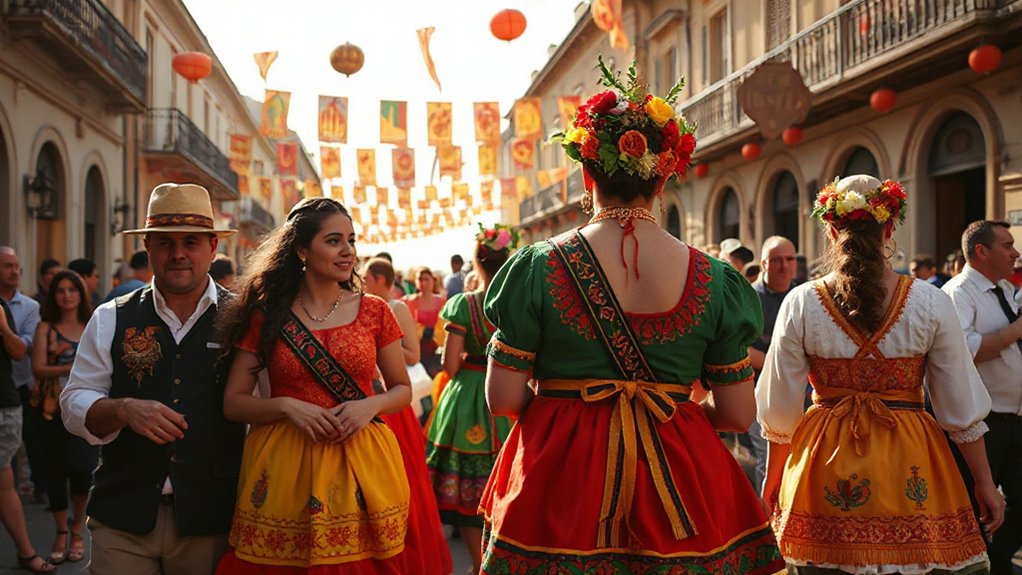
You’ll notice how costumes carry meaning beyond mere spectacle, signaling regional stories, roles, and values you’ll sense in the crowd. These outfits and symbols aren’t random—they map history, địa and community status, guiding you to understand who participates and why.
As you travel through fiestas, pay attention to how each region uses color, motifs, and ceremonial objects to tell its own distinctive tale.
Costume Meanings In Fiesta
Costumes are more than costumes in Spanish fiestas; they’re symbols that reveal local histories, beliefs, and social ties. You notice how fabric, color, and form encode stories—from peasant coats to ceremonial robes—tracking guilds, communities, and rites.
As you move through streets, you’ll see how Traditional dance costumes cue movement and meaning, while rustic garments hint at harvests and labor. The choices also reflect culinary customs, where aprons, hats, or spice hues nod to regional foods and markets.
You’re invited to read the signals beyond aesthetics: status, memory, and belonging are threaded into every stitch. Observing closely, you’ll sense that outfits keep time with festivals as calendars, recipes, and songs converge.
- Symbolic color palettes tied to seasons
- Garment functions in ritual processions
- Intergenerational passing of motifs
- Textile techniques linked to local pride
Regional Symbols And Roles
In some towns, Traditional attire marks age or guild affiliation, while in others, handmade banners and insignias narrate local legends.
Cultural symbolism threads through processions, dances, and ritual pauses, creating a shared language that outsiders sense but may not fully decode.
You’ll notice that uniforms or costumes aren’t mere decoration; they choreograph movements, regulate space, and affirm history.
Roles within the crowd—mentor, guide, or keeper of a ritual—reveal how communities distribute responsibility.
The attire becomes a map, guiding understanding of a place’s values and continuity.
Planning Your Fiesta Pilgrimage: Best Times, Routes, and Tips
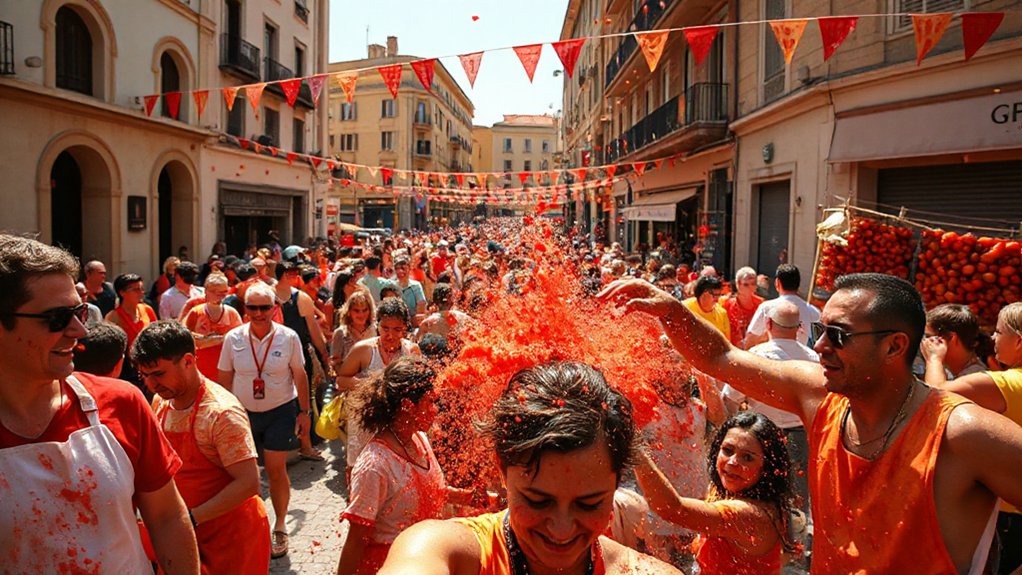
Planning your Fiesta pilgrimage means prioritizing timing, routes, and practical tips that keep the celebration at the center of your trip. You’ll want to align travel with the historical origins of events while remaining flexible for modern adaptations, so you don’t miss local rhythms or surprise pop-up performances.
Start with shoulder-season dates to dodge crowds, then map routes that balance accessibility with authentic encounters. Pack light, bring reusable gear, and respect local schedules, especially siesta hours. Consider lodging near plazas for pulse and people-watching.
Learn basic phrases to engage hosts and organizers, and keep a respectful eye on safety protocols and crowd flow.
- Timing around peak moments and local rituals
- Routes that minimize backtracking while exposing you to nearby towns
- Practical packing and etiquette for large crowds
- Sources for real-time event updates and safety tips
Quick Comparisons: Choosing Celebrations by Vibe and Crowd
Choosing celebrations by vibe and crowd lets you tailor your fiesta pilgrimage after you’ve mapped timing and routes. You’ll sense how intensity and pace shift from city-wide carnivals to intimate village gatherings, helping you pick spaces that match your mood.
In larger fiestas, festival symbolism often runs through parades, masses, and street performances, delivering a communal roar you can almost touch.
Smaller events offer quieter moments where local rituals and traditional tunes reveal cultural significance without the bustle.
Pay attention to crowd dynamics, as it shapes conversation, pacing, and access to food or shade.
This quick comparison isn’t hierarchical, just directional, guiding you to align energy with your interests and your sense of belonging.
Beyond the Week: How These Fiestas Shape Community Identity
Fiestas don’t end when the week is over; they leave footprints that linger in neighborhood routines, local pride, and everyday conversations. You witness how traditions seep into daily life, guiding ceremonies, greetings, and shared memories that bind generations.
Beyond the moment, these fiestas reinforce Cultural preservation by passing songs, costumes, and rituals to younger hands, while inviting outsiders to participate and learn. You’ll notice community resilience in how streets reorganize after celebrations—cleanup crews, volunteer coordinators, and mutual aid that keep momentum going.
The identity of a town becomes a living archive, shaped by stories told at markets, cafés, and plazas, where pride isn’t flashy but persistent. Your presence reinforces a collective sense of place and continuity.
- Shared rituals sustain Cultural preservation through practice and mentorship
- Local leadership coordinates resources, strengthening Community resilience
- Intergenerational participation maintains authentic memory and relevance
- Public gathering spaces become forums for ongoing communal storytelling
Frequently Asked Questions
How Do Fiestas Influence Local Economies Year-Round?
Fiestas boost your town’s Economic impact year-round, shaping budgets and investment. You notice a Tourism boost during events, but spillover sustains shops, services, and employment afterward, spreading seasonal benefits and supporting local suppliers, crafts, and cultural preservation.
What Safety Protocols Accompany Major Fiestas?
Ever wonder how you stay safe at big fiestas? Festival safety hinges on clear crowd control, barriers, and trained staff guiding you. You’ll follow posted routes, emergency exits, and hydration tips while enjoying the vibrant, organized celebration.
How Are Regional Dishes Incorporated Into Celebrations?
Regional dishes are woven into celebrations, reflecting cultural significance and culinary traditions you savor firsthand. You’ll notice shared meals, local flavors, and recipes passed down, shaping festive moods as communities honor history through every bite and gathering.
Which Fiestas Honor Women and Minority Communities?
You ask: fiestas honoring women and minority communities include those celebrating Women’s empowerment and Minority recognition, such as Castilla y León’s patronal processions and Galicia’s rights-aware festival circuits; you witness inclusive rituals shaping cultural identity and visibility.
How Can Travelers Engage Without Disrupting Traditions?
To engage without disrupting, you practice Cultural sensitivity and respectful participation, observe local customs, ask organizers before joining, and stay with guided activities; you listen first, learn context, and adapt behaviors to honor communities.
Conclusion
These local fiestas aren’t tourist detours; they’re living histories you can touch. You’ll feel streets hum with shared memory, hear prayers and laughter braid into drums, and taste the place in every bite and beam of light. When you move through them, you’re part of a larger tapestry, not just an observer. They’re fragile yet enduring, like embers in a communal hearth, warming bonds and guiding future generations toward belonging. You’re invited to let it ignite you.