
The real Spanish siesta isn’t a quaint pause but a responsive rhythm shaped by heat, work, and culture. You’ll see midday breaks morph into shorter, flexible rests rather than universal shutdowns, with staggered hours, naps, or cafe downtime. Cities adapt spaces—patios, shaded corridors, micro-plazas—while schools and families weave rest into daily routines. Misconceptions fade as productivity, health, and morale hinge on context, not creed. Curious how this balance plays out in practice? There’s more to uncover.
Key Takeaways
- The siesta is a flexible, context-driven practice shaped by climate, work hours, and regional culture, not a fixed daily ritual.
- Modern shifts—flexible hours, shorter naps, and urban planning—preserve downtime while boosting productivity and tourism needs.
- Heat, energy costs, and market pressures drive staggered schedules, café rhythms, and city zoning that support midday pauses.
- Urban spaces and schools adapt with rest-friendly layouts, asynchronous work, and family routines balancing social life and work.
- Ongoing tension exists between preserving tradition and economic practicality, leading to evolving forms of the siesta rather than disappearance.
What Is the Modern Spanish Siesta, and Does It Improve Daily Life?
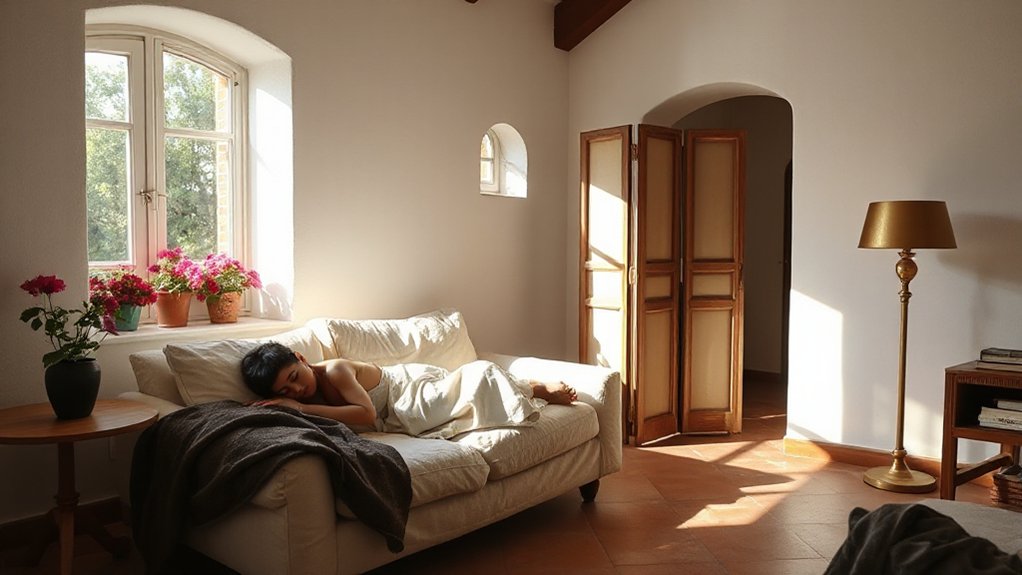
The modern Spanish siesta isn’t a uniform ritual but a flexible pattern shaped by work hours, climate, and culture. You’ll notice it manifests where midday shifts pause, giving space for rest, meals, or social time, rather than a single inviolable habit.
Its value isn’t fixed; you assess it by daily routines, health, and productivity, not nostalgia. Cultural preservation appears as a quiet tension: some communities defend a traditional pause, others compress work into longer mornings to chase modern efficiency.
You might also see fashion trends reflected in relaxed, breathable fabrics, streetwear that favors mobility, and timed wardrobes for heat relief. The question isn’t whether the siesta exists, but whether it serves your work-life balance, social cohesion, and adaptive culture without becoming a constraint.
How Heat and Myths Shape Spain’s Productivity Today
Heat isn’t just background noise in Spain’s productivity story—it’s a loud, shaping force. You’ll notice heat nudges workflow toward staggered hours, a legacy that blends with modern deadlines rather than erodes them.
In offices and fields, intensity narrows focus to shorter bursts, then a deliberate pause, a rhythm that oddly preserves concentration. Yet the heat isn’t purely neutral; it fuels cultural stereotypes about laziness or resilience, depending on who’s watching.
You’re asked to separate myth from measure, to see how irrigation of public spaces, cooling costs, and ventilation shape outputs just as much as talent. Myth busting matters here: efficiency isn’t about sweating less, but about timing, adaptation, and sustained attention under pressure.
Productivity, in this view, is context-driven, not a universal verdict. Cultural stereotypes meet empirical nuance.
Why Cities Redefine Midday Downtime for Work
Cities reframe midday downtime not as a pause, but as a strategic cue for productivity, signaling shifts in how time is allocated at work. You’ll notice workplaces blending naps, rest breaks, and flex hours to mirror urban life.
This signals a culture that prioritizes efficiency without quitting critical downtime. This change, rooted in city rhythms and evolving norms, raises questions about whether downtime remains genuine rest or a recalibrated resource for performance.
City Time Allocation
This isn’t whimsy; it’s cultural adaptation in action, a tacit contract between city life and labor schedules. When shops close briefly, it signals a tolerance for downtime that keeps productivity steadier later, not a shrug at exhaustion.
Yet the pattern isn’t uniform: neighborhoods push different cadences, explicit in zoning, markets, and public space use. Urban renewal projects often deliberately recast time, turning plazas into community clocks.
The result: a more resilient urban tempo, where downtime acts as fuel, not a lapse.
Workplace Culture Shifts
Midday downtime in cities isn’t a nostalgic pause but a strategic recalibration of work culture. You observe how workplaces reshape schedules around heat, traffic, and attention spans, not just tradition.
The shift isn’t a retreat from productivity; it’s a recalculated tempo that externalizes fatigue as a solvable constraint. Cultural evolution pushes managers to redesign meeting blocks, asynchronous collaboration, and shared spaces that invite focused rest rather than heroic endurance.
You sense how developers of policy, payroll, and planning weigh long-term outcomes against short-term gains, testing tolerance for fluctuation and burnout. Social adaptation becomes the mechanism, normalizing naps as efficiency tools and flexibility as a competitive edge.
In this frame, productivity grows through balanced hours, not relentless grind.
Schools, Families, and Midday Routines in Spain
You’ll notice how school timetables shape midday rest, balancing class time with a sanctioned break that varies by age and region. Families juggle siesta habits with after-school duties, shaping a practical rhythm that mirrors cultural expectations and economic pressures.
This tension prompts questions about fairness, efficiency, and the real cost of adapting traditions to modern schedules.
School Timetables And Naps
In Spain, school timetables shape how families structure their day around a midday pause, and the impact is felt in both classroom rhythms and home routines. You notice classrooms pacing breaks around a long lunch, not just a quick snack, which carves out quiet, restorative moments for students.
Yet the structure isn’t neutral; it signals cultural preservation, embedding tradition into daily life even as urban schedules push toward compact, continuous hours. You may see teachers balancing late starts with early dismissals, a compromise that tests after-school care and parental flexibility.
The tourism impact surfaces when schools adapt calendars to regional events or festival days, drawing visitors curious about the cadence of Spanish life. In this frame, naps become a public-facing element of society, not mere personal respite.
Family Siesta Dynamics
Family life centers on coordinating school rhythms with home routines, and the midday pause acts as a fulcrum for how households manage work, care, and cultural continuity.
You observe how families choreograph meals, naps, and pickups, keeping pace with class schedules while preserving a sense of calm. In many homes, the siesta isn’t just rest; it’s a social contract that enables uninterrupted quality time, especially for siblings and parents who juggle shifts.
You see the tenderness of family bonding, the quiet rituals that anchor days, and the friction when work encroaches on these moments. Traditional routines endure yet adapt, resisting a total retreat to busyness.
The midday pause remains a field where care, culture, and daily discipline contend with modern demands.
Midday Routine Adaptations
Even as schools keep clocking back from the long Spanish siesta, midday routines have become a practical battleground for students, parents, and administrators. You observe how Cultural evolution pressures schools to compress schedules, while families seek predictable, affordable care.
Urban adaptation shows up in after-school hubs, transit-linked shifts, and flexible timetables that blur day parts. The result is a mosaic of compromises, not a single solution, where efficiency bumps against well‑being.
You note it’s less about eradicating siesta than reconfiguring it to fit modern life, economies, and student learning.
- Redesigned school hours to align with commuter traffic
- Community-based midday care and study spaces
- Flexible bell schedules with staggered breaks
- Parent-communication protocols for real-time updates
Economic Forces Shaping Contemporary Naps
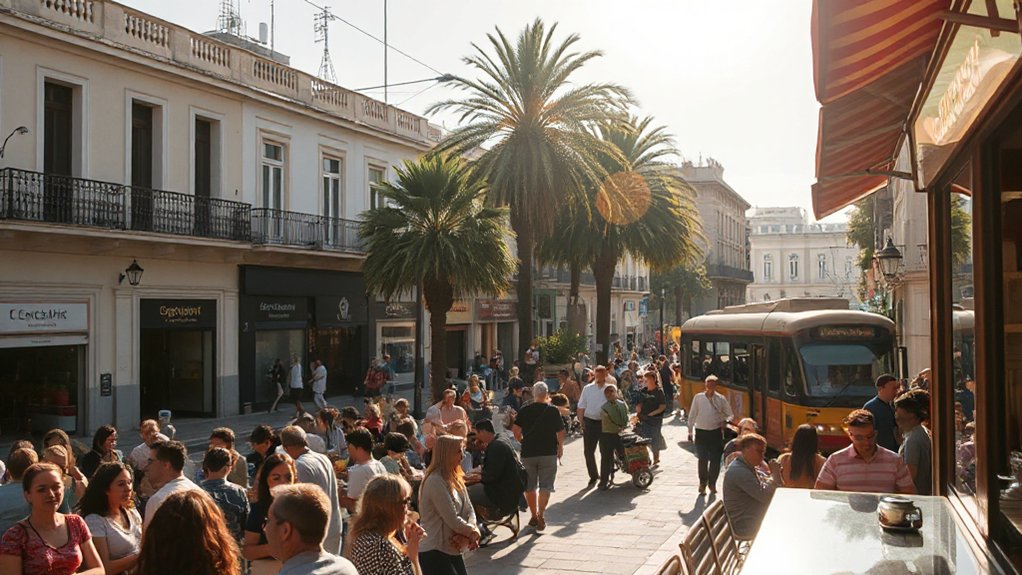
Economic forces reshape when and how Spaniards nap, not just whether they do. You feel the market tug at schedules, with employers, schools, and transit hubs nudging midday routines toward compressed or postponed breaks.
Cost pressures shape cafe-lunch rhythms, while tourism and global commerce tilt city rhythms toward shorter, sharper interruptions. You’ll notice firms layer flexible hours, enabling power naps in quiet corners or after-work siestas, reframing tradition within modern logistics.
The influence travels beyond productivity—it’s about cultural preservation and traditional practices surviving in altered forms, not erased by fiat. You observe zoning, retail hours, and wage structures bending to a service economy that prizes uptime.
In this tension, naps become strategic assets, not mere habits, revealing the economy’s quiet appetite for efficient, humane downtime.
Neighborhoods Keeping the Siesta Tradition Alive
Across these neighborhoods, the siesta endures not as a relic but as a practiced response to heat, noise, and the rhythm of daily life. You notice how cultural preservation threads through storefronts, courtyards, and cafe patios, shaping a calmer urban tempo.
Yet you also see tension: pressure to commercialize, to chase efficiency, to erase local nuance. In pockets where residents defend nap-friendly hours, the practice doubles as urban sustainability, limiting cooling loads and street-surface heat.
The result is a wary balance between tradition and modern pressures, with communities negotiating space, governance, and identity.
- Cultural preservation as a community asset and policy aim
- Urban sustainability through deliberate timing and spacing
- Local collaboration limiting overdevelopment
- Public amenities supporting quieter, cooler neighborhoods
From Noon to Staggered Breaks: The Shift to Flexible Hours
As neighborhoods guard nap-friendly hours, many workplaces are loosening rigid midday blocks and embracing staggered breaks that reflect heat, noise, and the pace of daily life rather than a fixed eight-to-five grid.
You watch managers redesign schedules to dodge the peak heat, letting teams reclaim productivity through short, variable pauses. The shift isn’t chaos; it’s a recalibration that respects local rhythms while chasing uptime.
Cultural preservation meets Modern adaptations as firms balance tradition with competitiveness, permitting longer lunch splits or multiple micro-breaks. Some employees savor autonomy; others fear fragmentation.
You notice newer policies still prioritize collaboration, not isolation, and that the real test is consistency across departments. The outcome hints at a nuanced continuity where cultural values migrate, not vanish, under flexible hours.
Technology, Commutes, and the Rebuilt Rest Schedule
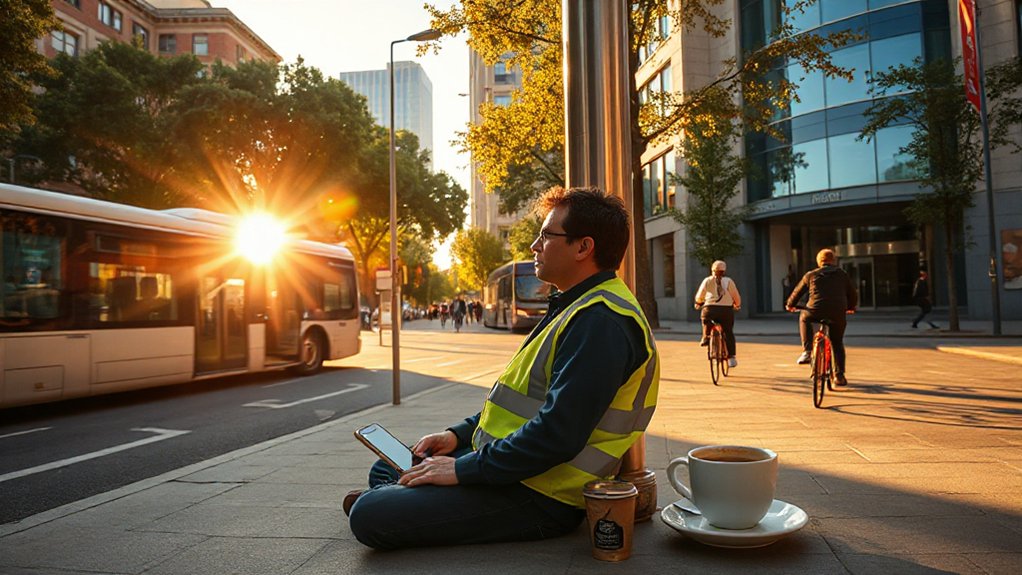
Technology has already reshaped when and how people rest: smart devices nudge breaks, apps track rush-hour commutes, and teams choreograph micro-pauses around transit delays and noisy offices.
- Cultural evolution reshapes expectations, as routines adapt to alerts and data-driven cues.
- Technological advancements compress hesitation, turning irregular pockets of rest into scheduled, trackable segments.
- Workflows shift toward shared pacing, balancing productivity with restorative pauses amid crowded trains and open-plan fatigue.
- Personal autonomy grows when devices offer choice, yet scrutiny remains over surveillance, dependency, and the pressure to perform.
You notice how commute friction becomes a catalyst for rethinking downtime, not a nuisance to endure. Rest patterns calibrate to sensors, schedules, and social norms, revealing a nuanced, bimodal rhythm.
Younger Spaniards and New Attitudes Toward Midday Rest
Younger Spaniards are reshaping the midday reset, reframing rest as a flexible rhythm rather than a fixed ritual.
In urban life, the siesta loosens its pedestal as work, transport, and social patterns push for shorter, more targeted breaks.
This shift invites scrutiny: does the new cadence preserve cultural meaning or dilute it under modern pressures?
Younger Spaniards Reframe Midday
But for many young Spaniards, the midday pause isn’t a blanket tradition but a personal choice shaped by work life, urban rhythm, and a shifting sense of well-being. You’re watching a cultural evolution, where rest isn’t a universal ritual but a tailored routine. They pursue productivity through deliberate timing, not avoidance of stress.
- They reframe downtime as focused recovery, not mere lethargy.
- They blend siesta with errands, workouts, and social life for lifestyle integration.
- They demand flexible schedules that honor cognitive peaks.
- They assess regional pressures, choosing micro-rests in shared spaces.
This shift reveals a pragmatic, contextual stance: midday rest as utility, not relic. You sense a generation testing boundaries, chasing balance without surrendering ambition.
Modern Attitudes Toward Rest
Work culture, city life, and family expectations shape a quieter acceptance of power naps and flexible hours as practical tools, not symbols of laziness. You sense a recalibrated social perception: rest signals resilience, focus, and balance, not weakness.
Yet you notice lingering judgments in some workplaces and neighborhoods, where productivity metrics still dominate conversations. Your scrutiny reveals that rest is increasingly integrated into daily routines, but its legitimacy depends on context, purpose, and measurable outcomes, rather than nostalgia or stigma.
Urban Life, Siesta Shifts
Urban life presses in at midday, and the city itself presses back: cafés spill with crowd, offices tighten their schedules, and the pace of errands shortens the usual pause.
You watch younger Spaniards redefine rest as a flexible ritual, not a fixed siesta, blending night owl rhythms with daytime duties. Morning routines shift to fit late starts, then late returns, changing how energy is allocated and claimed.
The result is a cautious compromise: power naps at odd hours, shorter, sharper breaks, and a wary acceptance that productivity now travels with variability rather than rigidity.
1) Night owls shape late departures and delayed meetings
2) Morning routines compress into efficient, compact rituals
3) Work culture tolerates micro-rests as strategic assets
4) Social life recalibrates around flexible downtime
Sleep Science and Daily Performance: What the Research Says
Sleep science consistently links daily performance to how you manage sleep across the day, not just at night. You’ll notice findings show brief naps can sharpen attention, but benefits depend on timing, duration, and individual sleep debt.
In practice, daily routines matter as much as nightly sleep, shaping mood, decision-making, and reaction times. Cultural evolution influences how societies structure work, meals, and rest, and research tracks those shifts in performance outcomes.
You might discover that long, late-afternoon rests impair next-morning alertness, while well-placed brief breaks boost consistency.
Health implications loom: sleep fragmentation links to metabolic and cognitive risks, yet disciplined schedules buffer harm.
The takeaway is pragmatic: align your day with evidence, not nostalgia, to sustain steady performance.
Case Studies: Madrid at Noon, Barcelona at Midday, Seville’s Schedule
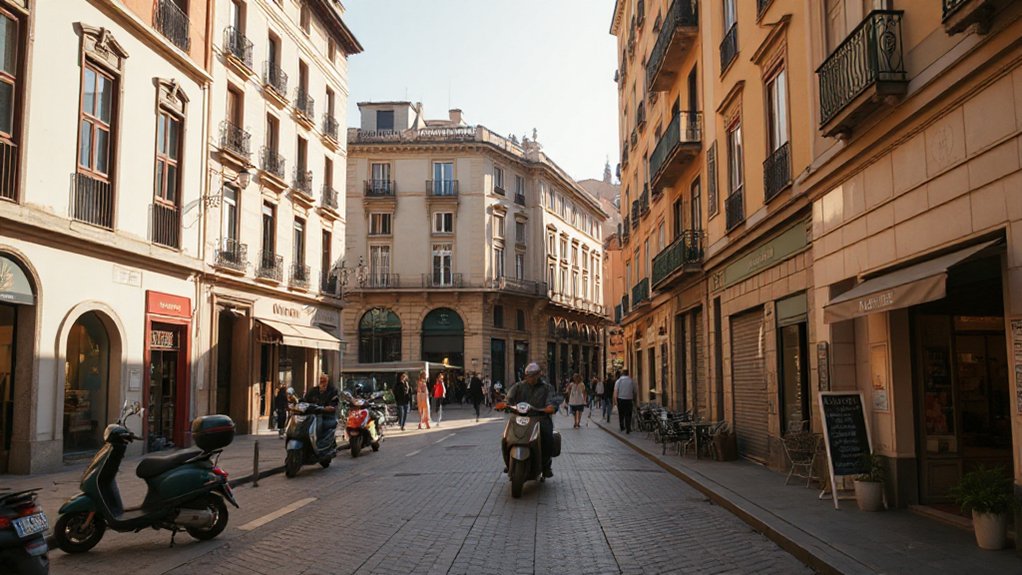
Madrid, Barcelona, and Seville each map a different tempo to noon, revealing how regional rhythms shape nap culture and daily life. You observe Madrid’s brisk noon peak, Barcelona’s tempered midday pause, and Seville’s late-afternoon stretch, each shaping work rhythms and social codes.
Cultural evolution appears in how local habits blend work demands with rest, while social dynamics show who rests, when, and why. You note these case studies as microcosms of broader Spain, not as uniform rule.
- Madrid’s noon sprint clashes with colleagues pursuing efficiency, nudging shorter siestas.
- Barcelona slows, using midday as a creative buffer rather than a mere break.
- Seville pushes late naps, aligning with seasonal warmth and family time.
- Across cities, expectations shift with age, sector, and urban density.
How Public Policy Supports Nap-Friendly Spaces
Public policy shapes when and where you can take a break, from zoning that encourages quiet zones to city-wide schedules that normalize mid-day rest.
You’ll see how workplace nap policies shift expectations, making siestas feel like a legitimate benefit rather than a personal risk.
This discussion invites scrutiny of urban design incentives that quietly steer behavior toward nap-friendly spaces.
Public Space Scheduling
Public space policy quietly nudges cities toward nap-friendly norms. You notice how park hours, shaded corridors, and micro-plaza timing shape daily rhythms, signaling what counts as “public time.” When schedules favor midday pauses, cultural adaptation occurs in real time, and spaces become stages for social integration rather than transit points.
You weigh who gets to linger, who’s rushed, and which vendors align with calmer blocks. The result is a texture of urban life that can support restorative rest without erasing commerce or supervision. Yet policy must guard against gentrification that narrows nap-friendly options to affluent districts, preserving inclusive access and authentic local uses.
- Scheduling balance
- Shade and seating incentives
- Vendor and activity harmonization
- Accessibility and oversight
Workplace Nap Policies
In practice, nap-friendly spaces can reduce burnout and sustain performance, yet they risk becoming a perk for some teams while others face stigma or surveillance. You note that successful programs require clear guidelines, privacy, and equitable access across roles.
Alternative relaxation approaches—flexible hours, staggered lunch breaks, or wellness stipends—often accompany naps to normalize rest. When policy aligns with authentic needs, rest becomes integrated, not marginal, into daily work rhythms.
Urban Design Incentives
Cities shape where we rest as much as we shape our days. When you explore Urban Design Incentives, you see policy nudges that normalize nap-friendly spaces. You’ll notice how zoning, shade, and micro-climates become everyday tools, not afterthoughts.
Designers align street life with cultural evolution, nudging businesses to invite midday pauses rather than chaos. The aim is urban resilience: spaces that endure heat, noise, and crowding by making rest integral, not peripheral.
You evaluate where incentives succeed and where they stall, between public goods and private profit. Policy, not sentiment, determines where the city breathes.
- Zoning that rewards daylight-friendly layouts
- Shaded corridors and cool micro-climates as standard
- Flexible work-live zoning for adaptable nap zones
- Public-private partnerships prioritizing rest-friendly amenities
Debunking Common Misconceptions About Spanish Nap Culture
Despite what you might’ve heard, Spanish siestas aren’t a universal, midafternoon shutdown; they’re a flexible cultural practice shaped by climate, work rhythms, and local traditions. You’ll notice misconceptions melt when you ground the idea in everyday life: many regions don’t close entirely, shops stay open with staggered hours, and workers adapt nap timing to peak heat or late-evening shifts.
The myth of universal shutdown masks regional variation and evolving routines. You observe how cultural preservation and modernization coexist, with communities negotiating tradition alongside productivity. Tourism influence both preserves ritual forms for visitors and pressures sharper, shorter breaks in tourist hubs.
Debunking myths reveals a nuanced pattern: naps aren’t relics, they’re adaptive pauses within a broader social fabric.
How Businesses Balance Rest and Productivity

Businesses strike a careful balance between rest and productivity by embedding flexible break patterns into daily rhythms. You’ll notice firms tune schedules to local culture, preserving consistencies that matter to workers and visitors alike. When teams corporate-habitat around siesta norms, they safeguard cultural preservation while still delivering client outcomes.
Yet you’ll also see critics warn that over-coddling rest can erode urgency, especially in tourism-adjacent sectors where perceptions matter. The question is whether efficiency improves when pauses become strategic rather than ceremonial.
You witness how leaders measure impact through morale, turnover, and customer flow, not just hours logged. Cultural preservation and Tourist perceptions shape decisions, not nostalgia alone.
Here are four concrete approaches shaping balance:
- Flexible core hours
- Optional mid-day pauses
- Rotating coverage
- Clear performance metrics
Practical Tips for Embracing a Modern Siesta Mindset
Embrace the modern siesta mindset by rethinking work rhythms around intention, not nostalgia. You’ll align tasks with peak focus, carving a post-lunch window for deep work, then schedule lighter duties after a restorative pause.
Observe how cultural adaptation shapes routines, not just calendars. Prioritize short, purposeful rests—10 to 20 minutes—to recharge without derailing momentum. Use lunch breaks to disconnect from screens, nurturing mental clarity for the afternoon.
Communicate boundaries clearly: synchronous meetings early, asynchronous updates later. Normalize flexible deadlines when fatigue blurs judgment, and measure productivity by outcomes, not clock punches.
This is Rest innovation in practice, a practical shift toward sustainable tempo. You’ll notice better decision quality, reduced burnout, and a more resilient team dynamic.
The Future of the Siesta in Spain: Trends to Watch
As Spain grapples with shifting work patterns and aging demographics, the siesta is evolving from a fixed midday pause into a flexible, productivity-aware ritual. You’ll notice trends leaning toward shorter, more adaptive naps, workplace experimentation, and regional teasing of tradition with modern efficiency.
Yet, you’ll also see tension between Cultural preservation and economic practicality, as firms weigh long-term benefits against short-term costs. Tourism impacts shape schedules too, nudging towns to balance charm with accessibility.
The future isn’t a uniform shift but a patchwork of local choices that honor heritage while embracing efficiency.
- Regional variations reflect unique cultural weights and tourist expectations.
- Workplace pilots test compact nap windows without eroding productivity.
- Local governance negotiates preservation with economic incentives.
- Tourism-driven timing reshapes daily rhythms around hospitality demands.
Frequently Asked Questions
How Long Is the Typical Modern Siesta Now?
A typical modern siesta lasts around 20 to 30 minutes, though it can stretch longer in hotter regions. You’ll notice cultural variations, while Historical origins frame why you pause, observe, and reset, rather than simply nap.
Do Offices Truly Close for Siesta Hours?
Yes, offices rarely close for siesta hours today, though some regions observe shorter, flexible breaks. You’ll notice cultural significance and historical evolution shaping practices, with workplaces gradually adapting while you assess how social norms influence daily productivity and rhythms.
Is Siesta Beneficial for Cognitive Performance?
Sleep quality matters, and yes, siestas offer cognitive benefits you can feel. You observe choices, weigh outcomes, and nap strategically; the clock bends, symbols align, and you perform better after restoration, recognizing cognitive gains amid daily pressures.
Are Siestas More Common in Certain Cities?
Yes, you’ll notice siestas are more common in southern cities, though practice varies. Historical origins shape rituals, and Cultural variations color how locals adapt—rest remains tied to climate, work schedules, and urban pace, not universal norms.
How Do Schools Adapt Midday Routines Today?
Midday routines shift as schools adapt, you notice: classrooms schedule shorter mornings, staggered breaks, and quiet rooms. Cultural significance and Historical origins frame policy debates, shaping calendars, not just naps; you weigh efficiency against tradition and student well-being. suspenseful.
Conclusion
You’ll notice the siesta isn’t a quaint relic but a flexible tool pressed into modern life. It’s shaped by heat, markets, and urban rhythms, not nostalgia. Rather than a blanket rule, it’s a toolbox for focus, mood, and efficiency—sometimes a quick pause, other times a longer reset. Like a city clock with shifting gears, it requires adaptation. If we read the signs right, it keeps work humane without sacrificing progress.