
To experience local life in the Canary Islands, wander lively markets at dawn, taste agua fresca and roasted coffee, and notice the rhythm of bargaining and chatter. Visit intimate neighborhoods with whitewashed walls, watch daily routines from open windows, and join neighbors in small squares. Eat tapas with locals, share plates, and greet staff with simple hola. Use buses or bikes to move like a local, stay in a family-run guesthouse, and follow the pace that reveals deeper connections. More awaits beyond these tips.
Key Takeaways
- Visit local markets at dawn to sample fresh produce, chat with vendors, and discover hidden shops behind stalls.
- Explore authentic neighborhoods with whitewashed facades, tiled courtyards, and daily life away from tourist zones.
- Join tapas culture by visiting busy bars, sharing plates, and engaging with staff and locals in a relaxed, late-afternoon to evening pace.
- Follow daily rhythms: siesta breaks, community events, and chalk-drawn festival posters that reflect neighborhood bonds.
- Embrace nature and culture: hike coastal trails, learn basic Canary phrases, and participate respectfully in local crafts and festivals.
Plan a Week Immersed in Canary Island Local Life
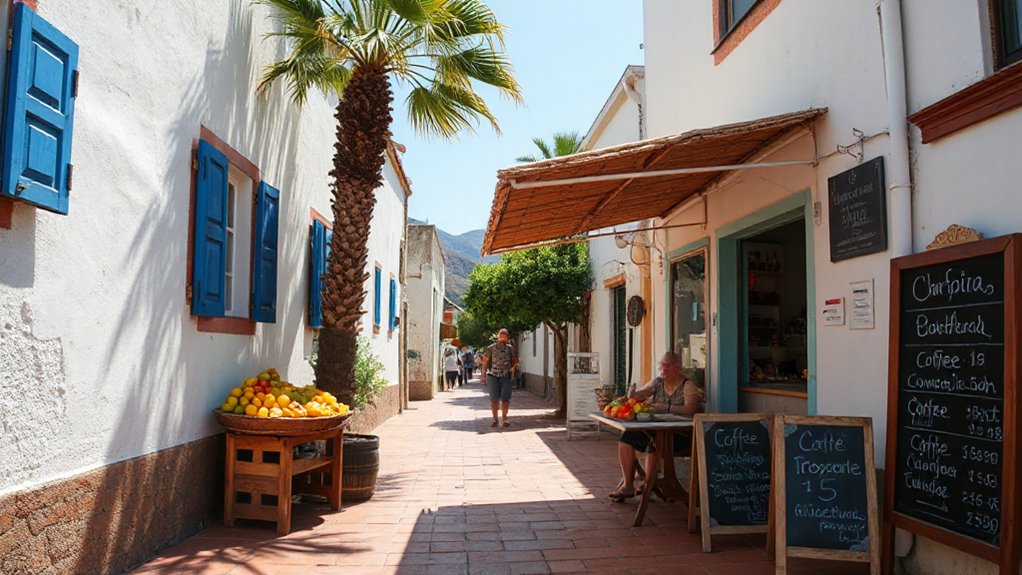
To truly soak in Canary Island life, plan a week that balances time with locals, markets, and simple daily routines. You’ll map days around small towns, listening for the pulse of everyday work and shared meals.
Start with a morning walk along a quiet promenade, then linger at a café to watch neighbors trade news and favors.
Schedule hands-on moments: learn Traditional crafts from a craftsman, practice a few phrases, and observe how tools and materials reveal regional identity.
Reserve afternoons for wandering backstreets, where storekeepers barter with warmth and stories. Listen for Local legends whispered over generations, tucked into doorways and murals.
End your week with a humble, reflective dinner, feeling connected without forcing the encounter.
Morning Markets and Local Coffee Rituals
As you wander the morning markets, you’ll notice the hydration ritual that keeps vendors and shoppers moving, from glass bottles of agua fresca to brisk sips between stalls.
Pause at a local coffee stand to watch the barista perfect a crema-topped cup, then taste the beans roasted nearby and brewed with care.
The air hums with the bustle of fresh produce, the chatter of vendors, and the ready-to-go energy that makes these moments feel like a snapshot of Canary Island life.
Morning Market Hydration Rituals
Morning markets spring to life at dawn, and you’ll notice hydration habits woven into every stall—stone fruit, aguas frescas, and small thermoses of coffee steaming beside baskets of herbs. You move between vendors, noting how locals sip between bites, balancing sweetness with freshness. Hydration isn’t an afterthought; it’s part of the rhythm that keeps energy steady as aromas rise and conversations unfold.
- Squeeze a lemon into your agua fresca and taste the bright shift in the air
- Pause for a tiny cup of coffee, then refill with cool water to reset
- Wash greens in a quick rinse, drying hands on a clean cloth before moving on
Coffee culture, Market hygiene shape your morning, guiding respectful, mindful buying.
Local Coffee Brewing Moments
In the morning markets, the coffee ritual is a quiet pulse you can feel in every stall. You notice the steam rising from copper pots, the clink of small cups, and a vendor’s easy smile as you order.
The barista explains the roast’s character in a few concise words, then steps back so you can listen to the grind’s soft hiss. You compare aromas, savoring a trace of chocolate or citrus as you sip.
This moment isn’t rushed; it’s practical, focused on taste and technique. You learn that Coffee history isn’t distant lore here—it’s carried in local cups and shared aloud.
You watch brewing techniques unfold, from pour-over to traditional moka, and you adjust your pace accordingly.
Fresh Produce Market Atmosphere
Fresh markets hum with the day’s first energy, a braid of scent, sound, and color—tomatoes riot with red, citrus glints peek from pyramids of fruit, and the air carries a tang of herbs and sea salt. You step between market stalls, noting the rhythm of bargaining, the clink of coins, and the bright chatter of locals.
The scene invites you to touch warmth, pick up a sun-warmed lemon, compare textures, and choose peppers that offer lingering sweetness. It’s a practical, sensory routine: greet fruit vendors, ask about ripeness, and decide what to cook tonight.
Morning energy is contagious, urging you to sip coffee, plan a meal, and linger just long enough to feel part of the town.
- Acknowledging fruit vendors and their stories colors your choices
- The market stalls pulse with texture, aroma, and texture again
- You leave lighter, inspired, and ready to cook immediately
Eat and Socialize: Tapas and Canary Bars
Tapas are a social heartbeat, so you’ll notice queues at busy bars and small plates that pair with conversation more than culinary spectacle.
Watch for timing—bars fill after work, and shared dishes often come out all at once, inviting you to mingle and sample broadly.
Start by greeting staff and neighbors, then follow local rhythm on ordering and tipping, especially in Canary bars where etiquette guides the pace of a convivial evening.
Tapas Timings And Traditions
Tapas in the Canary Islands aren’t just a meal—they’re a social rhythm that shifts with the day. You’ll notice timing isn’t rigid; bars glow as locals drift in after work, lingering over small plates and shared stories.
Tapas etiquette blends courtesy with practicality: greet, order a spread, and let conversation flow between bites.
Tradition origins trace to communal farming and sailors swapping snacks, turning a quick bite into a feast of camaraderie.
You’ll sense the pace slow in the late afternoon, then pick up again at dusk as voices rise and glasses clink.
Stay present, observe how portions invite sampling, and follow the group’s lead rather than rushing.
- Expect small plates to arrive in waves, not all at once
- Nod to the elder servers and share, not just consume
- Let the chat and drinks guide your rhythm, not the clock
Canary Bar Etiquette Tips
Moving from the rhythm of tapas hours, Canary bars invite you to read the room before you order. In this setting, you’ll notice locals gather in small groups, share plates, and rotate drinks as conversations flow.
Canary bar etiquette favors casual respect: greet staff with a simple hola, thank them with gracias, and don’t expect instant service during busy hours. Order tapas to accompany your drink, not the other way around, and be ready to share a table if crowding occurs.
Tap lightly, listen more, and avoid loud conversations that interrupt conversations already underway. If you’re offered a free tapa or reminder of local drinking customs, accept with a smile.
Embrace the pace, and you’ll feel truly welcomed.
Where Locals Live: Neighborhoods to Explore
Despite their tourist appeal, the Canary Islands hide neighborhoods where locals live, work, and socialize every day. You’ll notice how local architecture shapes narrow streets, whitewashed facades, and tiled courtyards.
In these pockets, life moves at a steady rhythm, with cafes, bus stops, and play areas blending into everyday routines. You’ll spot windows open to the scent of coffee, lemons, and bread, a sign that traditional crafts still thread through daily tasks.
Seek out small squares where neighbors chat, children ride bikes, and elders watch the pace. You’ll feel the difference between polished tourist zones and authentic streets that nurture community.
- Quiet courtyards, shared stories, and a steady heartbeat of local life
- Handcrafted details, from gatework to ceramic tiles
- Everyday rituals that reveal the neighborhood’s soul
Markets, Co-ops, and Hidden Shops on the Canaries
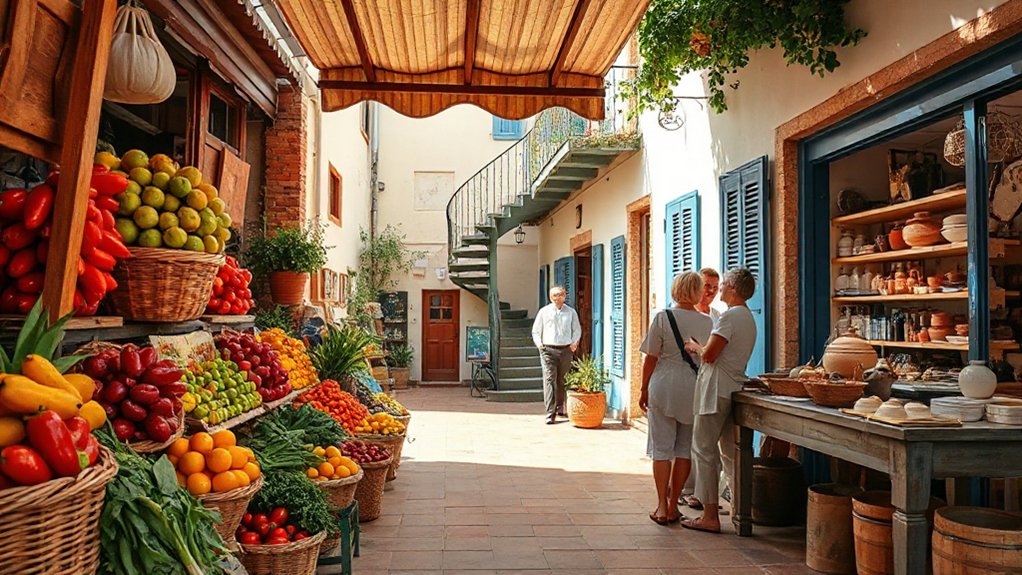
You’ll notice the pulse of the islands in market stalls, where colors, scents, and hands-on demos tell you what’s fresh today.
Co-ops and collectives invite you to buy direct, often at friendlier prices and with a story you can actually trace.
Hidden shops hide in plain sight, rewarding you with unexpected finds, from handmade crafts to regional specialties.
Local Market Vibes
From the moment you step into a Canarian market, you’ll feel the pulse of daily life: stalls piled with bright peppers, local cheeses, honey, and freshly baked panes that fill the air with warmth and aroma. You wander between vendor chatter, sniffing herbs, and catching snippets of island news. It’s practical, tactile, and real—a primer in local cuisine and artisan crafts, all in one place.
You test textures, haggle kindly, and sample small bites, letting the flavors guide your afternoon. Let the rhythm slow you down, then map out a route to the narrow lanes behind the stalls for hidden finds and friendly faces.
- Fresh produce that sparks dinner ideas
- Handcrafted pottery and textiles
- Local delicacies to pack for later tastings
Co-ops And Collectives
In coastal towns, collective art projects spill from studio to open-air, turning alleys into rotating galleries and inviting you to participate. You might trade labor for goods during harvest seasons or join a workshop on traditional crafts. These ventures keep money within communities and reduce waste, so you’ll taste fresher fruit, bread that’s still warm, and a sense of shared purpose.
Leave with authentic memories, not souvenirs.
Hidden Shops Secrets
Hidden shops in the Canaries aren’t storefronts with glossy signage; they’re chances to stumble into daily life where locals barter, trade, and savor seasonal produce before it hits bigger markets. You move through narrow streets, sensing aromas, listening for the hiss of a cooler, watching hands trade small change for bright peppers or fresh honey.
These hidden shop secrets unfold in backrooms and tiny stalls where patience pays and smiles matter more than price. You learn to greet the keeper, ask about today’s fruit, and trust your instincts on what’s freshest. The thrill is in the surprise—unexpected jams, tiny sacks of almonds, a bread still warm from the oven.
- Quiet exchanges that reveal a region’s rhythm
- Fresh finds before they reach the main markets
- Friendly tips that save you money and time
The Week’s Rhythm: Work, Siesta, and Community Events
In the Canary Islands, a week threads together work, a late-afternoon siesta, and communal moments that keep neighborhoods alive. You’ll notice minutes stretch differently here: offices close on time, streets fill between errands, and neighbors greet you with a nod or a shared joke.
Workdays mix practical tasks with breaks that reset your pace, so you feel steadier through the afternoon. Siesta isn’t laziness; it’s a rhythm that honors heat, family, and long conversations.
Community events unfold with festival posters, chalk drawings, and the scent of coffee near marketplaces. Balcony gardening and traditional crafts show up as quiet practices you can join—small, deliberate acts that bond people.
Observe, participate, and let the week’s cadence guide your sense of belonging.
Quiet Beaches With Local Access
- Find a narrow path to a sheltered cove and linger as locals do
- Swim before the day heats up, then share fruit under shade
- Respect small rituals, from sand sprints to quick espresso breaks
Resident-Favored Trails and Scenic Hikes
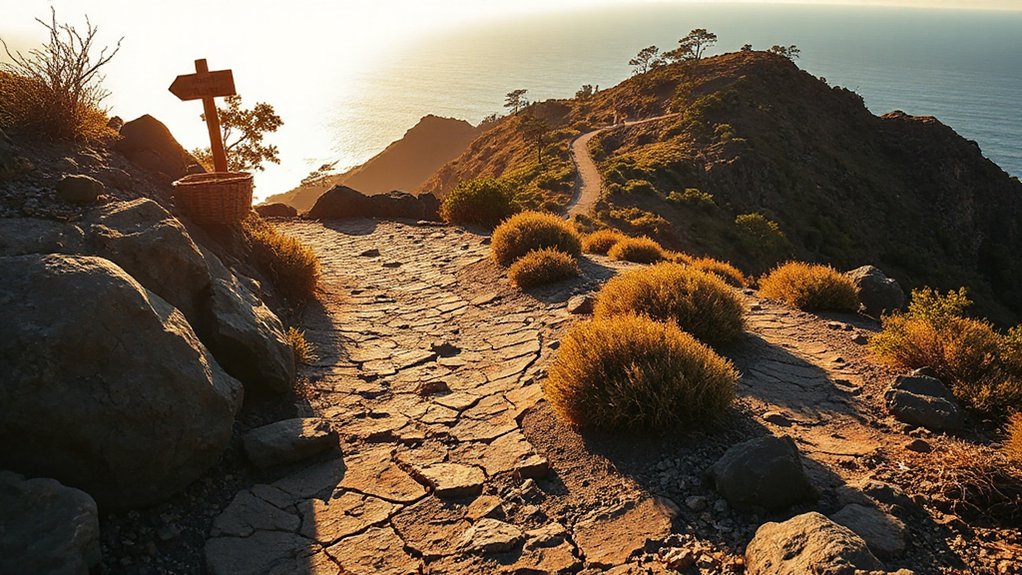
Local favorites stitch together easy angles and dramatic overlooks, so you can pace yourself and still feel the island’s pulse. You’ll find trails favored by locals weave through eucalyptus groves, volcanic lava fields, and coastal cliffs, rewarding steady steps with accessible rewards.
Start with family-friendly coastal loops that rise gently to scenic viewpoints, then graduate to higher ridges if you crave a longer stretch. Pay attention to trail history signs; they reveal how paths evolved from old mule trails to modern routes, adding meaning to every footing.
Carry water, wear grippy shoes, and honor quiet overlooks during golden hours. You’ll experience practical, immersive nature—clear air, sharp horizons, and a sense you’ve joined a daily local ritual.
Learn Canary Islands Language: Essentials and Local Slang
When you’re out exploring those island notes and quiet coves, picking up a few Canary Islands language basics can turn a simple exchange into a friendlier, smoother experience. You’ll notice that Canary slang and everyday phrases open doors—smiles follow, and directions feel less lost in translation.
Practice chunks you’ll use: greetings, thanks, small talk about the weather, and meals. Language learning apps help you hear pronunciation and quick replies, so you stay confident in real conversations. Keep a pocket list of polite phrases, and don’t fear mistakes; locals often appreciate the effort.
- Quick greetings that break ice
- Practical phrases for food, transport, and safety
- Short, friendly responses to show you’re listening
Cultural Traditions to Experience: Festivals, Music, Crafts
From the moment you arrive, the Canary Islands pull you into a rhythm of festive days, smoky aromas, and handmade treasures.
You’ll notice festivals that fuse religion, harvest, and sea lore, inviting you to observe before you participate.
Local storytelling surfaces in informal gatherings, where elders recount island legends, and travelers pick up phrases by listening.
Traditional dances punctuate the air, guiding steps you can imitate with minimal instruction, then join a circle to feel the shared pulse.
Crafts you’ll want to touch—woven baskets, pottery, lace—offer clues to regional identity and skill.
Music ranges from brisk drums to soft guitar, evolving with each village’s mood.
Engage respectfully, ask questions, and you’ll leave with a tangible sense of community and craft.
Getting Around Like a Local: Transport Tips and Choices
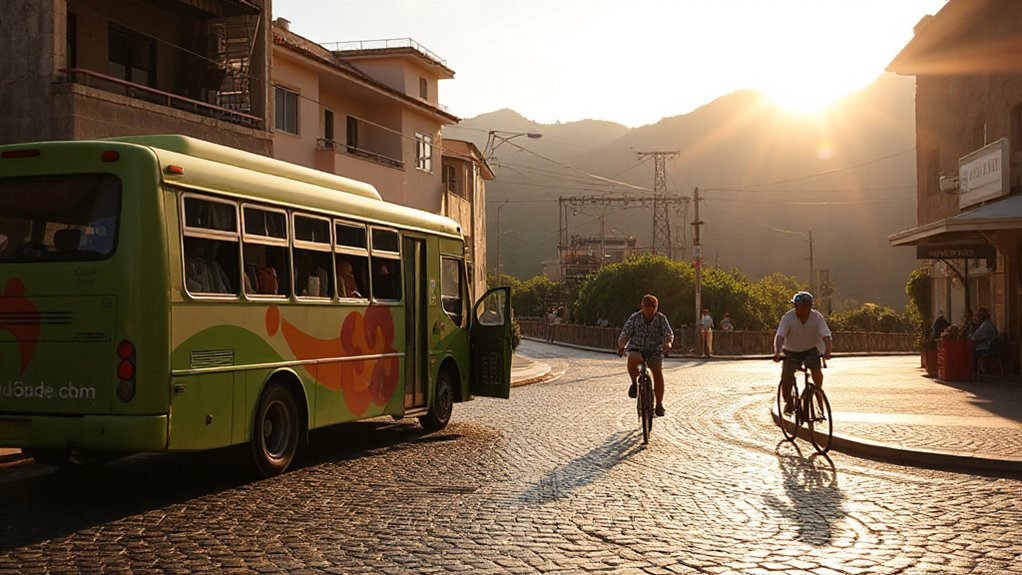
Getting around like a local means embracing a mix of buses, taxis, and the occasional scooter, tuned to the island pace. You’ll notice timing shifts between towns, quiet roads in the mornings, and buses that weave through markets as locals move with purpose. Public transportation keeps you grounded in daily life, while cycling routes open alternate paths along cliffs and coastlines. You’ll glimpse neighborhood shortcuts, and feel the breeze from a shared ride when patience pays off.
Plan a rough loop, compare schedules, and respect local stops. Circular routes and ferries connect dunes to dunes, towns to villages, with minimal fuss when you’re prepared.
- Public transportation options feel practical and reliable, guiding you through unexpected discoveries
- Cycling routes reveal intimate snapshots of island life
- Local rhythms emerge from short, deliberate hops between destinations
Where to Stay for an Authentic Local Pace
Choosing a place to stay that matches the island tempo means aiming for small, authentic communities rather than glossy resort stripes. You’ll notice the pace here cools to a sociable, walkable rhythm: local cafes, markets, and quiet lanes where voices mingle with the surf.
Look for casas rurales or family-run guesthouses tucked near village centers, not behind gated resorts. You’ll save money, too, by embracing shared spaces and simple rooms that spark conversations with hosts and neighbors.
Ask about nearby trails, beaches, and seasonal events; mornings feel lived-in, evenings glow with lanterns.
In these settings, you’ll experience local cuisine and traditional crafts up close—fresh seafood, hearty stews, handwoven baskets, and pottery studios within a short stroll. This approach keeps you grounded and connected.
Conversations With Residents: Connecting Respectfully and Genuinely
When you settle into a small, village-centered stay, conversations with residents become your quickest lighthouse. You’ll sense the cadence of daily life, observe polite nods, and pick up on unspoken cues—then you’ll choose your words with care.
Cultural customs shape timing, humor, and how questions land, so you adjust in real time. If language barriers appear, lean on smiles, simple phrases, and patience; effort matters more than perfect grammar.
Listen more than you speak at first, and mirror local rhythms to earn trust. The result is reciprocity: stories shared, advice offered, and a sense you’ve stepped into a living neighborhood.
- Small gestures carry big meaning
- Questions invite not just facts but heart
- Patience transforms friction into connection
Frequently Asked Questions
How Can I Join a Local Community Event Spontaneously?
Yes—you can join spontaneously by checking local notice boards, chatting with residents, and showing genuine interest. Head to cultural events, ask about community centers, and follow local customs; you’ll be welcomed, guided, and included in authentic experiences.
What Local Etiquette Is Best During Tapas Nights?
Tapas nights value shared plates and warm conversations; you’ll observe cultural customs like waiting turns, saying “salud,” and light-handed clinking. Remember dining manners—offer a bite to others, listen closely, and read the room for a smoother rhythm.
Which Neighborhoods Are Most Affordable for Long Stays?
Affordable neighborhoods include parts of Las Palmas and Santa Cruz, where you’ll find long term rentals that fit budgets. You’ll notice local markets, buses, and cafés; budget wisely, compare several blocks, and lease carefully for a smoother stay.
Where Can I Access Unscripted, Resident-Led Tours?
First, you’ll find unscripted, resident-led tours via local meetup groups and neighborhood associations. You’ll compare Cultural customs with tourist routes, observe daily rhythms, and pick practical Language tips while you immerse and speak with genuine locals.
How Do I Respectfully Photograph Locals and Spaces?
Respect local cultural sensitivities; ask for photography permissions before shots. Observe quietly, frame people and spaces thoughtfully, avoid crowding, and smile. You’ll gain trust, capture authentic moments, and respect communities while documenting your Canary Island experience.
Conclusion
You’ll walk away with a felt sense of daily life, not just a checklist of sights. As you wander morning markets, sip robust coffee, and share tapas, you’ll hear stories in the clink of glasses and reef-blue streets. Stay curious, tread lightly, and let local rhythms guide you. This isn’t tourism; it’s immersion—like stepping into a warm, beating heart you can almost touch. You’ll leave with friendships, not postcards, and a sun-warmed glow you’ll carry home.