
Plan a car-friendly loop that links Spain’s parks with short drives, scenic viewpoints, and tasty town stops. Prioritize routes with easy parking, practical maps at visitor centers, and doable trails that sample local cuisine nearby. Bring a spare tire, fluids, and a light toolkit, plus layers for shifting weather. Schedule one activity-heavy day, one relaxed day, and a scenic transfer day, weaving in festivals. If you keep exploring, you’ll discover deeper route ideas and smart, flexible plans.
Key Takeaways
- Plan scenic loops linking 2–4 national parks with short detours for viewpoints, villages, and local cuisine.
- Check vehicle readiness and pack essentials for long drives, including spare tire, safety kit, and charging gear.
- Use designated overlooks, visitor centers, and clear parking to respect boundaries and seasonal closures.
- Time visits for spring or autumn to balance weather, wildlife activity, and crowd levels; prepare for variable conditions.
- Enhance the trip with cultural festivals, relaxed days, and flexible itineraries to explore towns and regional foods.
Which Spain National Parks Fit a Road-Trip: Quick Criteria
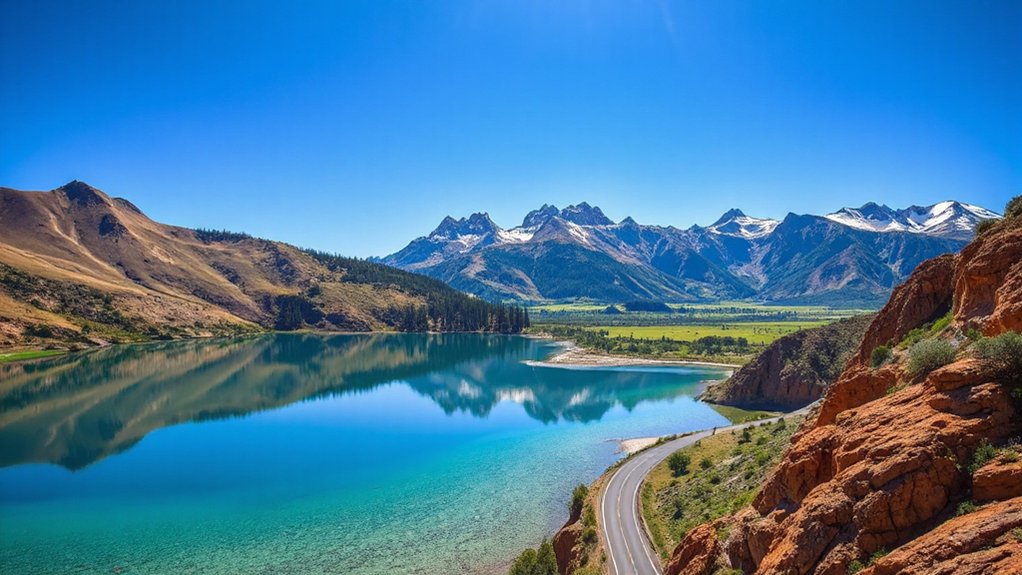
Spain’s national parks make for unforgettable road trips, but not every park lends itself to a quick, car-ready itinerary. You’ll want parks that balance accessible roads with standout vistas, short drives between highlights, and clear, doable trails.
Look for established viewpoints, easy pull-offs, and visitor centers that offer maps you can actually carry. Prioritize routes that let you sample local cuisine in nearby towns without long detours, and time slots you can reserve for essential services or guided experiences.
Cultural festivals nearby can elevate a quick trip, giving you a concentrated dose of atmosphere without sprawling logistics. If a park demands multi-day logistics or delicate transit planning, mark it as a future stop.
Choose parks with practical access, rounded by rewarding, packable experiences.
Plan a Scenic Loop: The Best Driving Routes in Spain
You’ve picked the right parks for a quick car-based adventure, and now it’s time to stitch them into a scenic loop that feels effortless rather than exhaustive. Plan your route by geography first, then by time of day light, traffic, and parking ease. Choose a core corridor that links three to four parks, with short detours for viewpoints, picnic spots, and a village lunch.
Pace yourself—allow breaks to savor local cuisine and quick strolls so you aren’t rushing through landscapes. Map reliable fuel stops and restrooms, plus seasonal road conditions. Map out a couple of flexible alternatives for weather.
Embrace cultural festivals along the way; they inject color without throwing off the loop. Keep it smooth, scenic, and memorable.
Essential Vehicle Prep for Park Adventures
How ready is your ride for Spain’s park roads? You’ll check basics first: fluids, belts, brakes, and tires tuned for mixed surfaces. Pack a spare, jack, and a tow rope in case a back-country ramble turns stubborn. Inspect lights and wipers, because sudden showers aren’t rare on highland passes.
Before you head off, plan for off road vehicles scenarios—grippy tires, modest clearance, and a slow, steady pace keep you nimble on uneven tracks. Bring camping gear essentials for roadside rests and weather shifts: compact stove, insulating blanket, and compact shelter that stows easily.
A portable charger powers maps and emergency calls, while a physical map anchors nav if signals fade. Keep a minimalist toolkit and a sense of patience; parks reward preparedness.
When to Visit Spain’s Parks for Wildlife and Hikes
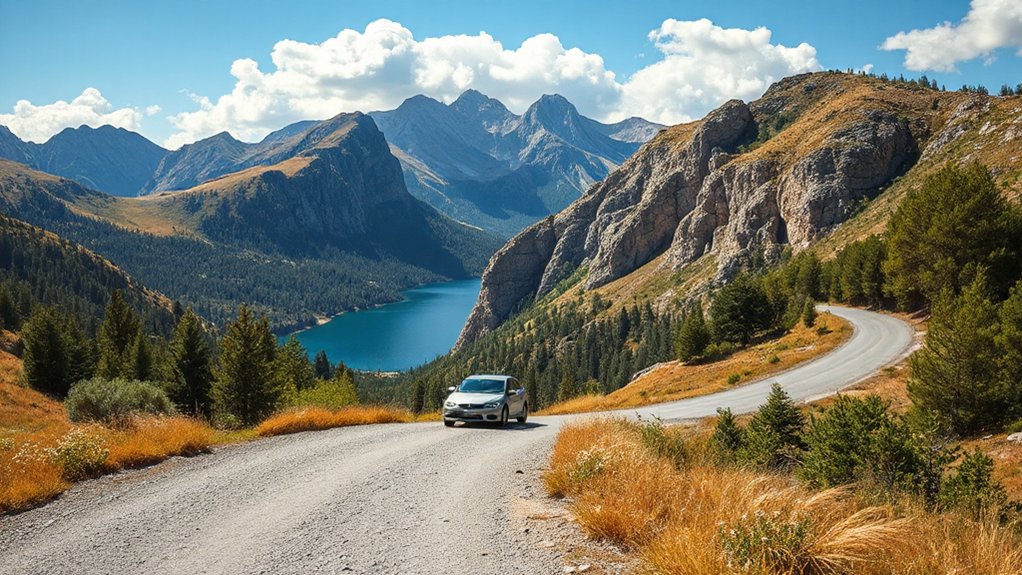
Spring and autumn gift Spain’s parks with the most forgiving weather for wandering and wildlife spotting, so you’ll find trails dry enough for steady footing while fauna peek from shade and rock. You’ll maximize wildlife observation by choosing shoulder seasons when wildlife routines are most active and crowds thin.
Spring brings lively seasonal flora, blooming after rains, with birds punctuating the air as you climb gentler ascents.
Autumn cools trails just before winter shifts, making forest edges glow with amber light and mammals more visible around water sources.
Summer heat demands early starts or shaded routes, while winter offers solitude and crisp, quiet panoramas.
Plan flexible itineraries, balance long hikes with quick observances, and let nature teach your pace.
Must-See Viewpoints by Region: Meet the Drive-and-Stop Highlights
From region to region, Spain’s best drive-and-stop viewpoints stitch together unforgettable panoramas with practical, hands-on pacing; you’ll map short pull-offs and longer overlooks that fit a day of road-trips between parks.
You’ll chase Wildlife photography moments where eagles skim cliff edges and deer drift through pine shadows, then swing toward Cultural landmarks perched along scenic routes.
Each region offers a deliberate balance: sweeping valleys, limestone gorges, and coastal inlets framed by olive groves.
Keep a flexible plan, swapping a vista for a quick village pause to sample local flavors.
Pack a telephoto lens, sturdy shoes, and a spare battery; you’ll return home with images double as stories and routes ready for your next drive-and-stop adventure.
Hikes and Access Tips for Drivers Inside Each Park
Tucked behind the wheel, you’ll want to chart hikes that fit the pace you’ve already set for the drive, not the other way around. As you navigate park lanes, keep access tips crisp: pull over at safe overlooks, stretch, then window-shop the trail options.
For a focused day, prioritize routes near visitor centers where maps are current and parking is straightforward.
- Choose short, looped trails to minimize road time and maximize wildflower identification encounters.
- Leave early to catch softer light for wildlife photography and quieter foothills.
- Park at designated zones, respecting signs and seasonal closures.
- Bring a compact kit: lens cloth, extra memory, and a compact tripod for steady wildlife shots.
Conserving Nature on the Road: Practical Travel Tips
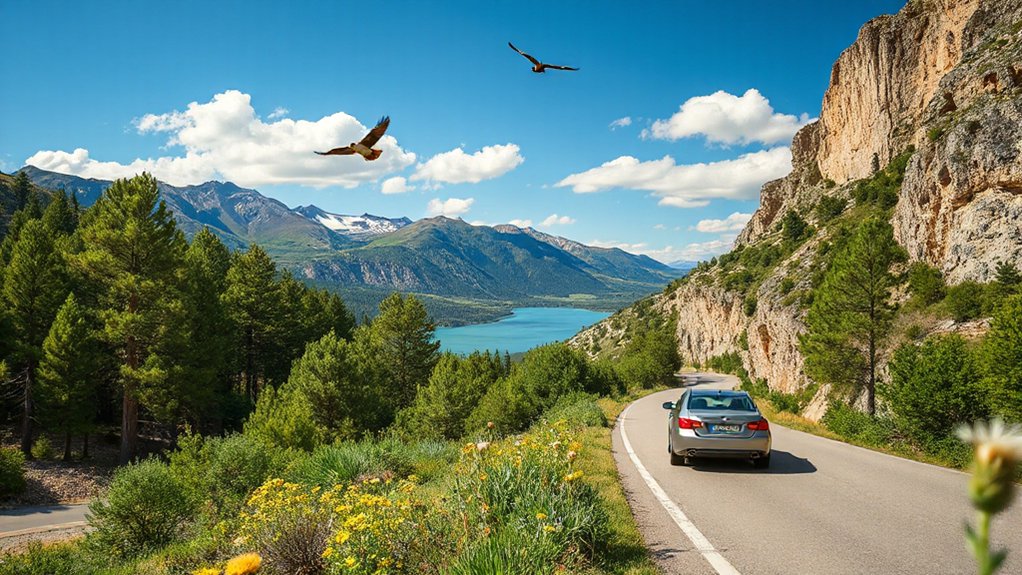
Conserving nature on the road isn’t a luxury; it’s a habit you carry from one park gate to the next. You’ll plan fuel stops at towns that support conservation efforts, not only convenience. Pack a compact cleaning kit to minimize litter and keep windows clear for wildlife spotting.
Move at dawn or dusk to reduce noise and disturbance, and use a quiet, steady cadence when driving to limit wildlife reactions. Respect posted closures and stay on marked routes, letting no tire marks betray fragile habitats.
Commit to Eco friendly travel by carrying a reusable bottle, choosing solar chargers, and supporting local environmental programs. For Wildlife photography, patience outpaces haste, and authenticity beats staged moments every time.
Safe Driving on Rural Park Roads and Boundaries
As you roll along rural park roads, keep a steady pace and stay alert for narrow shoulders, sudden bends, and livestock wandering near the boundary lines.
Boundary awareness matters: give posted signs, respect fencing, and mind painted borders that separate park zones from private land.
Stay prepared for slow vehicles, dust, and wildlife—your smooth, safe drive hinges on anticipation, clear signals, and polite passing.
Rural Road Safety
Rural roads in Spain’s national parks demand focused attention: single-lane stretches, sudden bends, and wildlife with right of way can surprise even seasoned drivers. You’ll stay safe by planning ahead, reducing speed, and scanning shoulders for movement before a bend.
- Slow to a crawl at blind corners and passable stretches, signaling intentions clearly.
- Use headlights in dim dawn, dusk, and mist, helping wildlife conservation visibility.
- Keep a generous following distance to absorb unexpected stops along narrow routes.
- Respect rural community engagement by yielding to pedestrians and farm traffic, then proceed.
Stay patient, observe wildlife signage, and avoid distractions. This mindset protects animals and locals, while making your park experience smoother and more responsible.
Boundary Awareness Tips
Boundary awareness on rural park roads means reading the land as you drive: stay alert for fences, gate openings, and property edges that jog into the pavement. You’ll notice how the park perimeter bleeds into tracks and hedges, sometimes narrowing suddenly.
Slow as you approach rural crossings, and scan shoulders for hidden openings or livestock eyes glinting in the sun. Maintain steady hands, smooth braking, and a light touch on the throttle to avoid startling wildlife or gatekeepers.
If you encounter a barrier, turn off distractions, assess access, and respect posted boundaries. Keep your speed modest near farmsteads, and honor signs that mark private lanes.
This boundary awareness keeps you safer, calmer, and more respectful of Spain’s protected landscapes.
Packing for Long Drives: In-Car Comfort and Gear
You’ll want a tight kit: in-car comfort essentials, a practical long-drive gear checklist, and smart seating with climate tips to keep you fresh on those winding park roads.
Think padded cushions, breathable fabrics, and a sunshade that snaps on in a moment, plus a battery pack and charger for routes with spotty service.
Tackle placement, temperature, and a few quick-access items so you can focus on scenery rather than scrambling for things.
In-Car Comfort Essentials
When you’re heading out on a long drive to Spain’s national parks, comfort isn’t a luxury—it’s a necessity that keeps you focused and safe. In-car comfort essentials make the miles disappear, letting you arrive rested and alert.
- Temperature control that’s dialed in: a cool cabin, warm seats, and breathable fabrics.
- Supportive seating and lumbar pillows—your back will thank you after hours on the road.
- Quick-access organization: a cockpit tray, a glovebox zen, and a clutter-free center console.
- In car entertainment and road trip snacks, seamlessly integrated so you don’t lose momentum.
With these baselines, you’ll enjoy smoother drives, sharper focus, and a calmer cabin ambiance for every detour and panorama.
Long-Drive Gear Checklist
Long drives demand foresight as much as stamina, so pack with a purpose: a gear checklist that keeps you safe, comfortable, and ready for anything the road throws at you. Start with safety basics: a well‑stocked first‑aid kit, flashlight, multitool, jumper cables, and a spare tire kit.
Hydration and snacks stave off fatigue; a reusable bottle and energy bars travel well. For comfort, bring a neck pillow, sunshade, and a small blanket for sudden temperature shifts.
Organize charging gear, extra cords, and a portable power bank so you can map, shoot, and stay connected. If you chase Wildlife photography, pack a compact lens cloth and a quick‑access camera bag.
Note nearby roadside amenities for rest stops, fuel, and predictable detours—planning reduces stress and keeps you moving.
Seating and Climate Tips
Scooting into the driver’s seat, you’ll want seating that supports your posture as the miles stack up, and climate control that keeps you alert without fighting through heat or chill. Your ride rests on seating ergonomics that align hips, shoulders, and feet, reducing fatigue after hours on Spanish highways.
Fine-tune climate control tips to maintain steady temp without bursts of hot air or freezing drafts.
- Check lumbar support and seat angle before departure.
- Set a comfortable temperature and use targeted vents to avoid glare and fatigue.
- Use a sunshade and breathable fabrics to tame heat build-up.
- Keep a lightweight layer handy for temperature swings.
Stay mindful of posture, adjust on stops, and enjoy the panoramic drives.
Two- to Five-Day Itineraries: Sample Spain National Park Road Trips
If you only have a few days, you can still dive deep into Spain’s wild places by plotting two- to five-day loops that balance dramatic scenery with doable driving and plenty of time for hikes, meals, and towns. Begin with a core National Park you crave—Doñana for wetlands, Ordesa for alpine overlooks, or Picos for rugged coastlines—and branch into nearby patches to keep driving under four hours a day.
Prioritize one activity-heavy day, one relaxed day, and a scenic transfer day to reset pace. Pack light layers, a windbreaker, and reusable switches for camera batteries. Cultural festivals and local cuisine sneak in when you linger in small towns—stroll plazas, sample tapas, and swap park stories with locals.
Plan backups for weather and late-season closures.
Frequently Asked Questions
How Do Entry Fees Vary by Park and Month?
Entry fees vary by park and month, with seasonal pricing shaping your budget. Park entrance fees shift, peaking in high season; plan mid to shoulder months for savings. You’ll notice distinct, adaptive rates across Spain’s protected landscapes.
Are Pets Allowed on Trails and Shuttle Buses?
Pets aren’t allowed on most trails or shuttle buses, so you’ll need to keep them leashed at entrances and designated zones. Pet regulations vary by park; check posted signs for trail restrictions and respect seasonal, area-specific limits.
Which Parks Require 4×4 for Certain Routes?
Backslash-mechanized, you’ll need 4×4 for certain routes in Ordesa and Sierra de Grazalema; other parks permit lighter wheels. Off road trails demand careful vehicle maintenance, and you’ll stay flexible, plan day trips, and respect seasonal closures.
Can I Drive at Night Inside Parks Legally?
Yes, you can’t drive at night inside parks in most cases. Check Night driving regulations and Park opening hours first; many parks restrict dusk-to-dawn access. Stay on approved roads, plan ahead, and respect wildlife and signage for safety.
What Safety Gear Is Essential for Mountain Roads?
Safety equipment is essential; you’ll want a sturdy helmet, gloves, reflective vest, and a first-aid kit. Pack a flashlight, spare tire, and jumper cables. When you hit mountain roads, watch for road hazard and drive calmly.
Conclusion
You’ve mapped out a road to wonder, and the road meets you with open vistas. Stay flexible, fuel up when the landscape tempts a stop, and let the map bend to your pace rather than the clock. Pack light, plan smart, and respect every sign and gate—nature rewards those who tread thoughtfully. Your drive will feel like a slow-delight, a sun-warmed thread weaving from park to panorama, inviting you to linger, then move on, grateful for each view.