
Plan a Spain road trip with kids by defining your goals and building in buffers for weather, rests, and spontaneous stops. Map a practical route that blends scenic drives, kid-friendly stops, markets, and photogenic towns, using offline maps and flexible detours. Schedule early starts, snack-packed drives, and comfy daily rhythms, with safety and emergency kits always in reach. Balance culture with play, swap drivers every few hours, and reserve downtime for beaches or parks—you’ll discover more as you go.
Key Takeaways
- Define goals, budget, and essential experiences (sights, kid-friendly stops, local cuisine) for a comfortable Spain road trip.
- Plan an efficient route with offline maps, scenic detours, and flexible stops to minimize backtracking.
- Build a family-friendly daily rhythm: light mornings, breaks every 2 hours, nap windows, and kid-led activities.
- Pack an accessible emergency kit, weather-appropriate clothing, snacks, and hydration, with copies of important documents.
- Check weather forecasts, use contingency plans, and adapt plans for festivals, beach days, and urban explorations.
Define Goals and Plan a Spain Road Trip With Kids
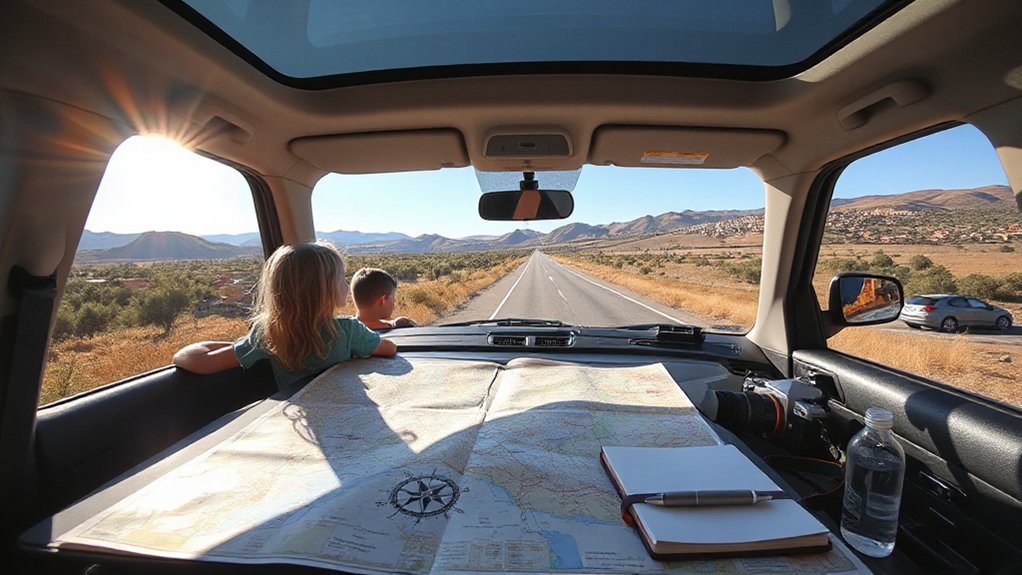
Setting clear goals from the start helps you shape a feasible, fun roadmap for a Spain road trip with kids. You’ll define core aims—comfort, pace, and memorable moments—so daily routes feel doable rather than overwhelming.
Next, estimate travel time between stops, reserving buffer days for rest, playgrounds, or spontaneous stops. Identify essential experiences, like travel photography moments and kid-friendly activities, and attach a rough timeline to each.
Decide on a budget framework, including gas, lodging, and contingency funds, then track expenses in a simple notebook or app.
Map out safety basics, important documents, and health needs so stress stays low.
Finally, plan around local festivals to align energy with enthusiasm while keeping travel relaxed and engaging for everyone.
How to Choose a Family-Friendly Spain Itinerary
To choose a family-friendly Spain itinerary, start by anchoring your route to your kids’ rhythms and your family’s interests. You’ll create a flow that feels effortless, versus rushed, so every stop earns its keep.
- Identify daily tempos: early starts, afternoon breaks, kid-friendly pacing, and room for spontaneous detours.
- Map interests around cities offering both Travel photography moments and kid-appealing scenery, from coastlines to fairy-tale towns.
- Blend Local cuisine with family favorites, scheduling markets, tapas tastings, and simple meals that satisfy all ages.
- Build flexible days: reserve buffers for weather, fatigue, and unexpected discoveries, then adapt on the fly.
Route Planning for a Spain Road Trip With Kids
Now that you’ve anchored your itinerary around your family’s rhythms, the next step is to map a route that keeps everyone engaged and energized. You’ll sketch a line that balances kid-friendly stops with cultural landmarks, easing long drives with scenic detours and short play breaks.
Prioritize towns that offer quick respites, picnic spots, and interactive museums to spark curiosity without derailing plans. Cross-country corridors should feel manageable, with reliable bathrooms and shaded lunch breaks baked in.
When you plan, weave in opportunities to sample Local cuisine, from market stalls to family-run diners, turning meals into mini-adventures. Leave space for spontaneity—unexpected playgrounds, splash pads, or a sunset overlook can become the day’s highlight.
Clear waypoints, flexible timing, and kid-tested pacing keep the journey smooth and memorable.
Pacing and Daily Routines for Traveling With Children
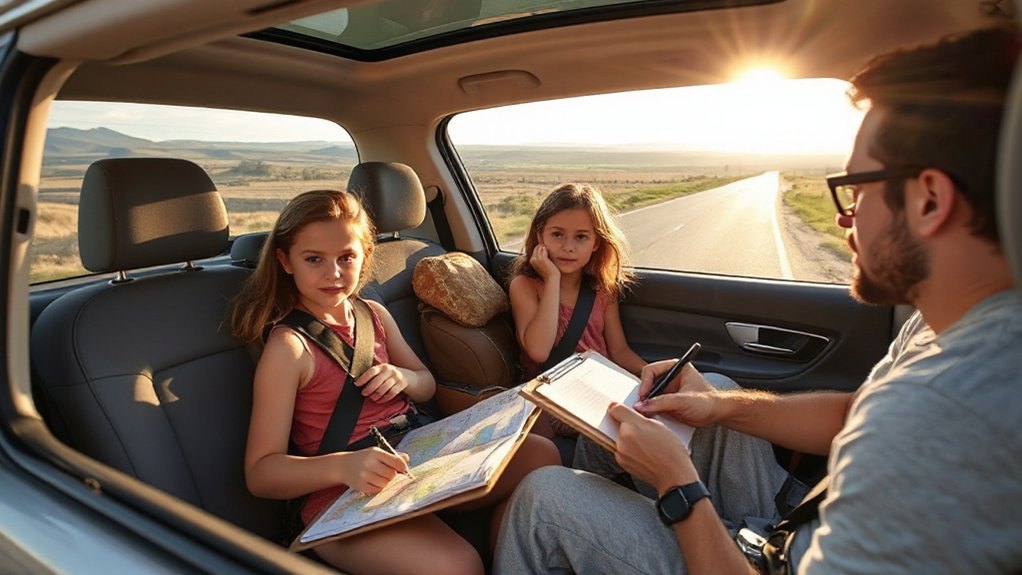
Pacing your days when traveling with kids means trading rigid schedules for rhythms your family can live with—short drives, predictable breaks, and generous buffer for play. You’ll blend travel tech tools with flexible plans, letting apps cue rest stops and kid-friendly detours along scenic routes.
1) Light morning starts, quick breakfasts, and a buffer window for spontaneous playgrounds, so rushing never steals joy.
2) Alternate driving with kid-led activities—audio stories, maps, or scavenger games—keeping attention engaged without pressure.
3) Scout scenic routes ahead, then allow deviations to savor a view or a bakery detour, rewarding curiosity.
4) End days with calm routines: simple dinner, a small souvenir, and a favorite bedtime ritual to ease transitions.
This rhythm keeps everyone engaged, rested, and ready for the next day’s adventures.
Picking Family-Friendly Stays in Spain
Choosing family-friendly stays in Spain means balancing comfort with curious schedules, so you can recharge after long days of exploration and keep mornings moving smoothly. You’ll prioritize spaces that feel welcoming to all ages, with kid-friendly menus, quiet corners for planning, and reliable Wi‑Fi for map checks between outings.
Look for family friendly accommodations that offer flexible bedding, safe play areas, and easy access to transit routes, marketplaces, and parks. In Spain travel guides, seek neighborhoods with walkable centers to minimize car time and guilt-free explorations.
Prioritize hosts or hotels that provide practical tips about nearby family attractions, kid-sized amenities, and predictable check-in rhythms. Clear policies on extra beds and cancellation reduce stress, letting your crew focus on memorable road‑trip moments.
Packing for a Spain Road Trip With Kids
Start by packing light, smart, kid-friendly essentials that keep everyone comfortable on long drives and train rides. Keep bags safe and organized so you can grab what you need in a pinch without turning the car into a chaos zone.
With a practical kit for each passenger, you’ll feel ready to explore Spain’s cities and countryside together.
Pack Light, Smart
- Pack a compact change of clothes per child and a lightweight jacket for variable weather.
- Use packing cubes to separate outfits by day, reducing rummage time.
- Bring a small first-aid kit, hand sanitizer, and a reusable water bottle.
- Choose multi-use items (sarongs, scarves, or towels) to minimize bulk.
Kid-Friendly Essentials
Wondering how to keep little travelers happy and comfortable on a Spain road trip? You’ll pack essentials that blend practicality with play. Bring compact comfort items: travel pillows, lightweight blankets, and a small blanket for car naps.
Keep a weather-ready kit: a compact rain shell, sunhat, sunscreen, and spare socks.
For meals, tote reusable bottles, healthy snacks, and a surprise treat to break boredom at scenic viewpoints.
Stash a simple first-aid kit and any daily meds in a clearly labeled pouch.
Create an activity bag with coloring cards, sticker sheets, and finger games; include a small tablet or e-reader loaded with family-friendly travel photography references to spark curiosity.
Pack light, but plan for variety; travel photography prompts keep kids engaged and appreciating the journey.
Safe, Organized Bags
- Pack a “moments” kit: snacks, a small toy, a disposable waste bag, and a travel-sized first aid kit.
- Use color-coded packing cubes to separate clothes, toiletries, and activities.
- Reserve a dedicated backpack for driver essentials and kid entertainment.
- Keep a compact, weather-ready bundle for quick climate shifts.
Snack Strategies for the Road in Spain
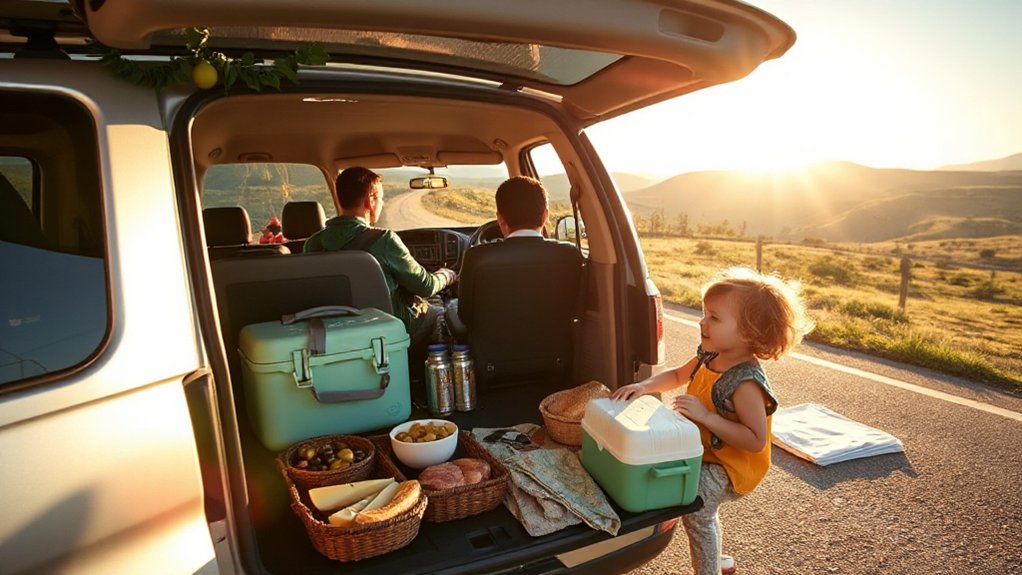
As you cruise through Spain, snack strategies keep everyone energized without slowing you down. Pack portable favorites—fruit cups, nuts, cheese sticks, and sturdy crackers—that travel well between rest stops and viewpoints.
With Spanish road-trip tips in mind, you’ll balance taste, nutrition, and practicality for the whole family.
Snacking While Traveling Spain
Snacking on the road in Spain means quick, satisfying bites that keep you moving without slowing you down. You’ll grab portable, invigorating options that survive heat and hurry, turning car seats into mini pantries. Plan ahead with balance: satisfying texture, real nourishment, and hydration to prevent fatigue.
- Choose Healthy options like nuts, dried fruit, and whole-grain crackers for steady energy.
- Pack beverage choices such as water infuser bottles, low-sugar juice boxes, and a thermos of tea for warmth.
- Favor dairy-free or small cheese portions for any travelers with intolerance or limits.
- Include fresh produce—apple slices or grapes—that stay crisp and revitalizing between stops.
These bites keep your pace, curb cravings, and reduce detours.
Portable Snacks For Road Trips
Hit the road with snacks that travel as smoothly as your itinerary—compact, energy-rich, and built to withstand heat and detours across Spain. You’ll want options that curb hunger without slowing you down, like mixed nuts, whole-grain crackers, and fruit that travels well.
Pack resealable containers to cut tossing and spills, and choose bite-sized treats you can grab between sightseeing or exits. For kids, include a few familiar favorites to reduce grumpiness on long stretches.
Hydration matters, so prioritize Healthy hydration with water, mini juice boxes, and electrolyte tablets when needed. Consider Portable beverages in a lightweight bottle with a secure cap.
Label portions, rotate snacks, and store perishables in a cooler bag to keep freshness through sunlit legs of the journey.
Spanish Road Trip Food Tips
Spain’s road trips reward practical, bite-sized nourishment that travels as smoothly as your itinerary. When you hit the open road, you’ll want snacks that sustain energy without mess or fuss, pairing with the scenery and your kids’ preferences. Tap into local rhythms, choosing foods that reflect local delicacies and regional specialties to enrich the journey.
1) Pack compact, sturdy items like nuts, dried fruit, and small pastries that resist crumbling.
2) Favor portable options such as chorizo slices, pan de cristal, or bocadillos you can eat on the go.
3) Include fresh fruit and yogurt cups for balance and hydration.
4) Seek shade-friendly treats from local markets, swapping bland snacks for regionally inspired bites.
Kid-Friendly Stops and Must-See Breaks in Spain
From Madrid to the coast and back, you’ll want stops that entertain kids while giving adults a breather, so plan for short detours and splash-friendly breaks along the way. You’ll find kid-friendly nooks at quick museums with interactive exhibits, and coastal towns with shallow beaches ideal for sandcastle marathons.
Seek parks with shaded paths and water features to cool off between drives. Favor routes that offer historical landmarks in compact bursts and short detours to feel the pulse of each region.
Local festivals nearby turn a routine pause into a memory—kids chase crafts, you savor street eats. Pack light, aim for predictable nap windows, and choose stops that mix play with easy, engaging explanations about Spain’s culture and landscape.
Road-Trip Safety and Health Basics for Families
As you map your route, you’ll lock in car seat safety basics before you even pull away, so every snack stop and mile is steadier for little travelers.
Pack a lean health kit with bandages, meds, and copies of essentials, because calm, quick fixes keep the joy intact on long days.
Build in driving break strategies to reset you all—stretch, hydrate, and switch drivers so focus stays sharp and moods stay positive.
Car Seat Safety Basics
When you’re packing for a family road trip, start with car seat safety as a non-negotiable routine you perform before you even buckle up. You’ll keep little ones secure, calm, and compliant with local rules on the road through clear steps and steady habits.
- Check that each seat matches your child’s age, height, and weight, and install it using the vehicle’s seat belt or LATCH system correctly.
- Ensure the harness is snug, chest clip at armpit level, and straps flat and threaded over the healthiest routing.
- Schedule a quick pre-drive check for loose seats, recline angles, and tether usage when needed.
- Review country-specific Child restraint guidelines before crossing borders, and keep a portable, updated manual in the glove box.
Car seat safety matters; you’ll drive with confidence.
Health Kit Essentials
Ever consider how a well-packed health kit can turn a hiccup into a simple fix on the road? You’ll want a compact kit stocked with bandages, antiseptic wipes, and adhesive tape for minor scrapes and blisters.
Include fever-reducers, allergy meds, and a digital thermometer to catch early signs of trouble. Pack electrolyte packets for dehydration from heat or exertion, plus sunscreen and insect repellent for outdoor stretches.
Keep a small flashlight, scissors, tweezers, and a whistle for emergencies. Create a clearly labeled list inside the lid: First aid, medications, and emergency contacts.
Store copies of insurance cards and blood type notes in a weatherproof pouch. Review it at departure and after every major stop so you’re ready, calm, and capable.
Driving Break Strategies
Pull over rules in mind as you roll along, because smart breaks aren’t just about stretching legs—they’re about preserving focus, energy, and patience for the miles ahead. Driving break strategies keep your family safer, happier, and more alert at every Rest stops moment.
1) Plan regular stops every 2 hours or 100–120 km, swapping drivers to sustain alertness.
2) Choose Rest stops with shaded areas, restrooms, and a quick, safe stretch routine.
3) Pack snacks and water, and a small, quiet activity to reset temps, noise, and boredom.
4) Observe signs of fatigue: yawning, slow reactions, and drifting—if spotted, pause immediately and reset.
These Driving breaks redefine progress: safer roads, calmer kids, smoother, happier travel.
Budgeting a Spain Road Trip With Kids: Costs and Savings
Planning a Spain road trip with kids costs more than gas and tolls, but smart budgeting can keep memories big and expenses small. You’ll see that budget planning isn’t stingy it’s savvy: you map essentials, then layer in smart saves.
Start with accommodation, favor family-friendly apartments or hostels with kitchens to cook and cut dining out. Pack snacks, reheatable meals, and refillable bottles to dodge daily buys.
For fuel and routes, compare mileage, plan efficient detours, and use toll-free highways when feasible.
Entertainment costs—look for free beaches, parks, and museum days. Track every euro in a simple sheet, so you don’t overspend and lose track of highlights.
With cost management, you preserve moments instead of pennies, making the journey richer for everyone.
Navigating Language and Culture With Kids in Spain
Exploring language and culture with kids in Spain can be a rewarding detour from the itinerary, as everyday moments become teachable adventures. You’ll notice how language barriers fade when you share smiles, ask simple questions, and point to familiar objects.
Embrace cultural differences as a bridge, not a barrier, by modeling patience and curiosity for your children.
- Learn a few kid-friendly phrases in Spanish or Catalan before you go, and use them daily.
- Visit markets and local eateries where conversations are short and friendly.
- Let kids compare festive customs, music, and foods to what they know at home.
- Normalize pauses for translation, read signs aloud, and celebrate small linguistic wins.
Planning Downtime and Spontaneous Discoveries on a Spain Trip
When you’re on a Spain trip, downtime isn’t wasted time—it’s part of the journey, a chance to soak in place, pace yourself, and let discoveries unfold. You schedule stretches between drives for unplanned strolls, markets, and café con leche, letting the day breathe.
Before rushing to the next landmark, pause at a scenic viewpoint or village plaza to observe light on terracotta roofs or palm-fringed coastlines. Travel photography thrives here when you bring a flexible mindset: swap itineraries for moments, capture textures, aromas, and faces.
Keep a small notebook or voice memo to note what drew you in—an alley, a more-than-usual smile, a hidden chapel. Spontaneity often yields the most lasting memories, echoed in every travel photo and shared laugh.
Handling Setbacks and Last-Minute Changes on a Spain Road Trip
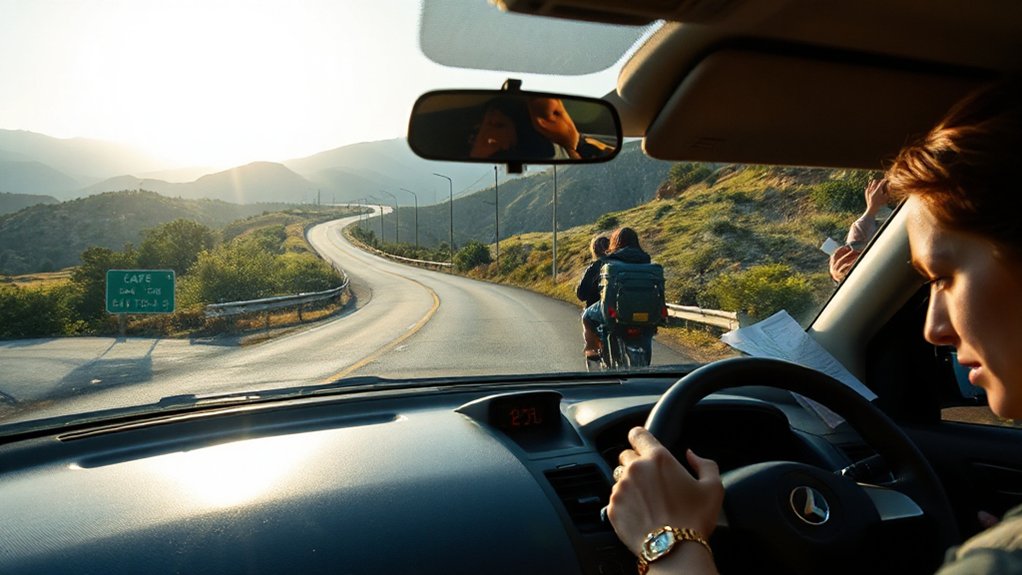
If a weather change or a missed turn reroutes your day, stay calm and pivot with purpose. You’ll turn uncertainty into a new adventure by prioritizing safety, communication, and flexibility. Quick decisions reduce stress and keep the trip on track.
- Check weather contingencies and revise plans with the family, choosing activities that fit the new forecast.
- Have a prepacked, easily accessible kit for emergencies and comfort—snacks, water, chargers, and a flashlight.
- Use offline maps and updated apps to re-route efficiently, avoiding backtracking.
- Build a backup schedule with kid-friendly options, alternating driving with breaks to prevent fatigue.
Emphasize emergency preparedness and weather contingencies, so small hiccups become smooth detours rather than delays.
Frequently Asked Questions
How to Handle Mid-Trip Medical Emergencies With Kids in Spain?
If you face a mid-trip medical emergency, stay calm, call local emergency numbers, and head to the nearest hospital. Keep Emergency contacts and First aid kits handy, document symptoms, and reassure your kids with clear, steady explanations.
What Are Child-Friendly Rest Stop Ideas Along Major Routes?
You spot a sunlit picnic spot, then roll over to a shaded playground location, where laughter echoes. You’ll find kid-friendly rest stops along major routes, with clean bathrooms, snacks, benches, and safe, engaging spots for quick, revitalizing breaks.
How to Manage Travel Fatigue and Sleep Schedules Nightly?
You’ll manage travel fatigue by sticking to a steady schedule, prioritizing sleep and breaks, and using Travel gear for comfort. Keep kids entertained with portable entertainment options, alternating activities, blankets, and gentle car pacing to ease nightly rhythms.
Are There Stroller-Friendly Attractions Across Spain?
Yes, you’ll find stroller-friendly attractions across Spain. You’ll enjoy stroller friendly parks and Family friendly museums, where wide paths, shade, and child-friendly exhibits invite exploration, while you savor comfy seating, easy routes, and practical logistics along the way.
How to Access Cost-Free or Low-Cost Family Activities?
You can access cost-free or low-cost family activities by prioritizing budget friendly parks and scouting free museum days, plus strolling city centers for playgrounds, picnics, and neighborhood festivals, making discoveries feel adventurous, affordable, and utterly memorable for everyone.
Conclusion
As you map out your Spain road trip with kids, remember that the journey matters as much as the destination. Balance castles and coast with playgrounds and gelatos, and let curiosity steer you when plans derail. Pack smart, pace kindly, and embrace tiny triumphs on the road. You’ll build stories worth retelling, every sunset a postcard. When things go awry, roll with it and keep moving forward—the road always rewards a flexible traveler who stays curious. Bon voyage and buen viaje.