
Spain’s best kid-friendly museums mix hands-on science, interactive history, and culture with clear layouts and comfy family spaces. In Barcelona, you’ll find glassy, activity-packed labs and art stations; Madrid offers lively storytelling and cultural demos; Valencia shines with tactile exhibits, digital scavenger hunts, and VR explorations; Seville and Andalusia add flamenco workshops and Moorish-influenced tours. Look for stroller-friendly routes, family rooms, and easy parking. Want more practical tips and picks that fit your plans? Keep exploring.
Key Takeaways
- Barcelona’s kid-focused science and art museums feature hands-on experiments, safe layouts, and staff-guided calm environments for families.
- Madrid’s museums blend interactive history with storytelling, short lines, and comfortable, breathable rooms for children.
- Valencia’s science sights offer tactile exhibits, digital hunts, and VR in kid-friendly, hypothesis-testing experiences.
- Seville/Andalusia centers combine interactive science with flamenco, architecture tours, shaded breaks, and family-friendly menus.
- Practical planning tips include stroller-friendly layouts, clear signage, timed-entry slots, and family-friendly amenities to optimize visits.
Barcelona’s Best Kid-Friendly Museums: Hands-On Science and Art
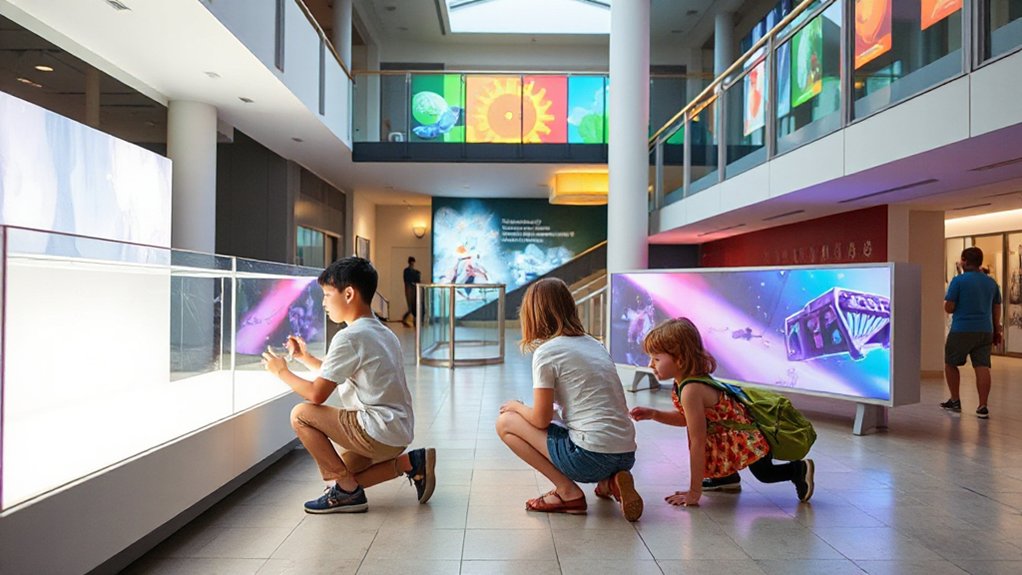
Barcelona is a treasure trove for curious kids, where hands-on science and vibrant art collide in approachable, awe-inspiring ways. You’ll discover experiments that make complex ideas feel like play, from fizzing reactions to playful robotics demos.
As you wander, pay attention to museum architecture—the way light spills across glass walls, the layout that guides little feet smoothly, and the kid-friendly stations tucked along the corridors. You’ll also notice clear safety cues and well-marked exits, because visitor safety matters as much as wow moments.
Take breaks at kid-sized benches, and follow staff instructions to keep the experience calm and enjoyable. With practical layouts and engaging exhibits, you’ll leave inspired to explore more, hands-on and curious.
Madrid’s Interactive History and Culture Museums for Families
Madrid’s interactive history and culture museums are built for curious families, blending hands-on discovery with lively storytelling that brings centuries of culture to life. You’ll explore engaging exhibits that connect you to cultural traditions and local crafts, making history feel immediate and personal.
Hands-on stations invite you to recreate moments from Madrid’s past, while guided storytelling helps kids stay engaged without boredom. Practical layouts keep lines short and rooms breathable, so you can pace your visit with energy levels.
Expect multimedia displays, interactive maps, and artisan demos that reveal daily life in a way that resonates beyond textbooks.
- Hands-on activities tied to cultural traditions spark curiosity and memory
- Local crafts demonstrations connect modern visits with Madrid’s artisans
- Guided storytelling keeps kids involved while adults gain new insights
Valencia’s Top Science Sights for Curious Kids
Valencia makes science feel tangible with interactive exhibits you can actually touch and try. You’ll discover hands-on experiments that turn curious questions into real-time discoveries, perfect for curious kiddos.
From playful demos to clear steps, these experiences keep learning active and memorable.
Interactive Exhibits For Kids
From spellbinding experiments to hands-on challenges, Valencia’s top science sights put interactive learning at the center of the visit, inviting curious kids to test ideas, make mistakes, and discover how the world works.
You’ll find exhibits that invite you to poke, twist, and compare, turning curiosity into clear, practical insights that you can carry home. Look for activities that blend play with real science, like digital scavenger hunts that reward close observation and quick problem-solving, and stations that encourage sensory play to spark memory and questions.
You’ll leave feeling energized, inspired to explore more, and convinced that science is a friendly, accessible part of everyday life.
- Hands-on curiosity drives lasting understanding
- Digital scavenger hunts blend tech with exploration
- Sensory play sparks questions and retention
Hands-On Science Experiences
If you loved the hands-on charm of Valencia’s interactive exhibits, you’ll find even more to spark curiosity in its top science sights. You’ll feel the pulse of discovery as you roll up your sleeves for experiments that actually explain why things work.
Look for stations that pair simple materials with bold ideas, letting you test hypotheses in real time. Virtual reality experiences transport you into microscopic worlds or astronomical scales, making complex concepts approachable and exciting.
Sensory play returns, inviting you to tune your senses and notice subtle cues other visitors overlook.
Practical tips: pace yourself, jot observations, and compare results across stations. Expect playful challenges that sharpen critical thinking while keeping science approachable and fun for curious kids.
Seville and Andalusia: Family-Friendly Culture and Discovery Spaces
Seville and the wider Andalusia region invite families to explore hands-on culture without the crowds or fuss, from interactive science centers to kid-friendly palaces where history feels like a story you can touch. You’ll discover spaces that mix learning with play, from flamenco-inspired workshops to tactile exhibits in centuries-old courtyards.
Along the way, you savor local culinary traditions and stroll through plazas that whisper of Moorish and colonial influences. Historic architectural tours become adventures when you compare tiled facades, bell towers, and garden courtyards—all navigable with curious kids in mind.
Practical tips: plan midweek visits, bring a lightweight stroller, and time your meals around kid-friendly menus.
- Hands-on cultural pockets that fit a family schedule
- Quiet corners with interactive highlights and shaded breaks
- Easy access to authentic local flavors and kid-appropriate bites
How to Choose Kid-Friendly Museums in Spain: Criteria and Tips
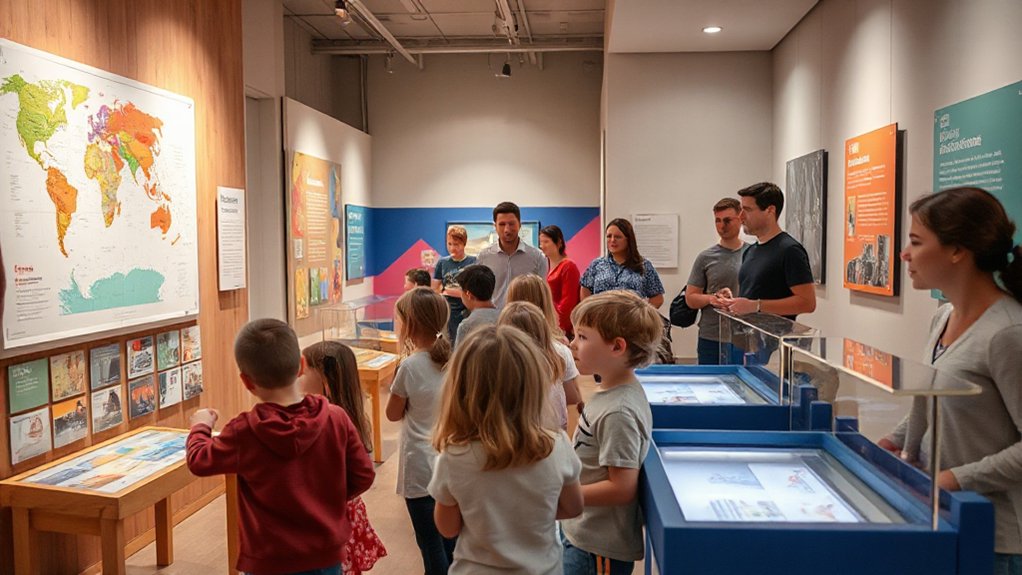
Choosing kid-friendly museums in Spain comes down to practical criteria you can trust on the ground: engaging exhibits that invite touch or participation, short or stroller-friendly layouts, and clear signals for families (family rooms, nursing spaces, snack options).
You’ll want to assess museum architecture for open sightlines, accessible entrances, and clearly marked routes that reduce congestion. Look for interactive elements that align with curiosity, not overwhelm memory or nerves.
Prioritize facilities that emphasize visitor safety with well-staffed information desks, stroller parking, and clean restrooms. Check hours, ticketing options, and family-friendly amenities before you go, so your plan stays nimble.
In short, choose spaces that balance hands-on sparkle with practical comfort, ensuring a smooth, enjoyable exploration for every age.
What to Expect: Hands-On Exhibits by Age
You’ll find age-appropriate activities that spark curiosity without overwhelming you or the kids. Expect interactive lab experiences scaled to little hands and growing minds, with clear safety guides and real-time feedback.
Look for guided play timelines that map curious moments to ages, so you can plan ahead and keep the momentum.
Age-Appropriate Activities
From toddlers to tweens, museums in Spain tailor hands-on spaces to age, so kids actually engage rather than drift. You’ll notice stations scale in complexity, from simple sorting and tactile treasure hunts to guided prompts that spark curiosity and steady attention.
Expect age-targeted storytelling corners, quick challenges, and cooperative tasks that reward progress with confidence. Practical layouts help you navigate efficiently, avoiding overwhelm while maximizing learning moments.
Digital collections and virtual tours extend exploration beyond gallery walls, letting families revisit favorites at home or on the go.
- Age-appropriate challenges keep pace with curiosity
- Quiet zones and quick breaks prevent overload
- Digital collections and virtual tours connect home and museum experiences
Interactive Lab Experiences
As you manipulate tools, you’ll see cause and effect firsthand, strengthening problem-solving confidence. Look for opportunities to try virtual tours that bridge the real and digital, offering context before touching the exhibit and quick recap afterward.
Sensory activities appeal to varied learning styles, letting you explore textures, sounds, and visuals without overwhelm. You leave inspired, with ideas you can recreate at home or in future visits.
Guided Play Timelines
- Align activities with your child’s current interests for deeper engagement
- Look for prompts that invite collaboration, not competition
- Track small wins to sustain curiosity and joy
Planning a Family Museum Day in Spain: a Practical Checklist
Planning a family museum day in Spain starts with a realistic game plan: pick a kid-friendly museum, check hours and ticket prices, and map out a simple route so you’re not zigzagging through the city. You’ll compare nearby options, confirm accessibility, and note stroller policies so everyone stays comfortable.
Before you go, verify parking or transit steps, and pack a compact backpack with snacks, a water bottle, and a small notebook for quick sketches. On arrival, scan for museum architecture cues—colorful, interactive spaces help kids stay engaged without overwhelm.
Prioritize visitor safety: assign a meeting point, watch for crowd surges, and respect quiet zones. End with a flexible pace, allowing breaks for spontaneous discoveries, photos, and unforgettable shared moments.
Visitor Tips for Young Learners: Learning Through Play
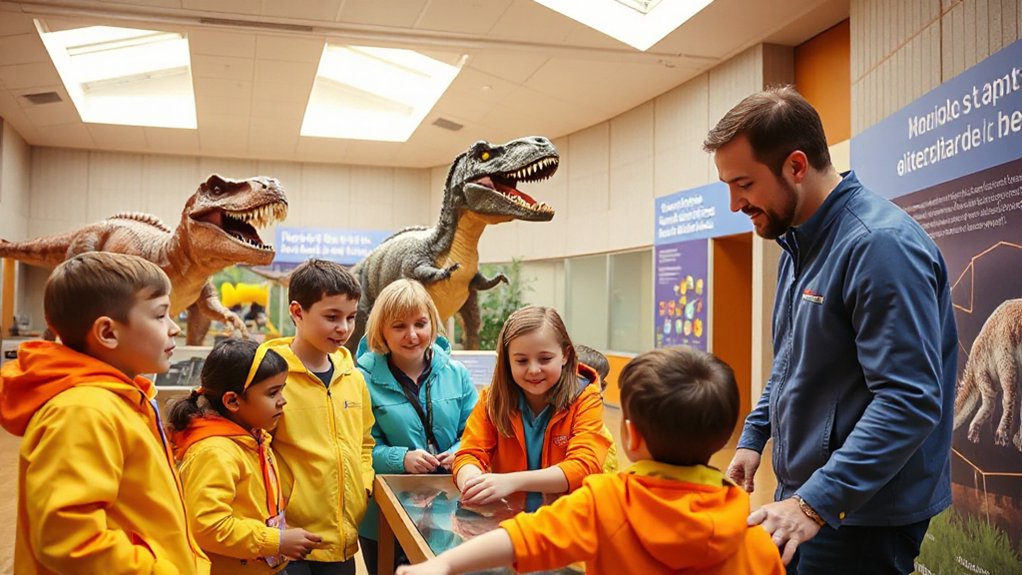
You’ll open kids’ curiosity by turning exhibits into mini labs—start with a quick, hands-on challenge at each stop.
Let them test ideas, compare results, and ask “what happened if…” to make Learning Through Play feel real.
Keep sessions short, switch prompts often, and celebrate each discovery with a quick, practical takeaway.
Learning Through Play
- Tailor questions to your child’s interests to fuel engagement
- Describe sensations and scenes to deepen memory
- Create a quick, kid-friendly narrative after each exhibit
Hands-On Explorations
What makes a museum feel like a playground for curious kids? You’ll love hands-on explorations that invite touch, movement, and questions, not just observation. Seek interactive exhibits where you can compare, measure, and rebuild ideas in real time. Look for stations that encourage trial and error, rapid curiosity turns into mini-lessons you can carry home.
Use virtual tours to preview spaces, plan routes, and spot hidden corners that suit short attention spans. Encourage your youngster to narrate what they sense—colors, textures, sounds—and then test hypotheses with safe, guided experiments. Sensory experiences make learning memorable, from tactile panels to immersive dioramas.
Before you go, note kid-friendly hours, rest breaks, and quiet zones so exploration stays joyful for every learner.
Budget-Smart Family Passes and Tickets
In Spain, savvy families snag big savings by planning ahead and mixing free or discounted days with budget-friendly tickets. You’ll maximize value by targeting discount packages and group rates, especially for multi-museum trips or long weekends.
Begin by checking official sites for combo tickets that cover several attractions at a reduced price, and compare weekday versus weekend rates to align with nap and lunch windows.
Tap into family memberships or student and senior discounts when eligible, and keep an eye on timed-entry slots to avoid peak-hour surges.
Pack snacks, arrive early, and savor a smoother day without splurges.
- Discount packages that bundle museums
- Group rates for families and friends
- Timed-entry tips to dodge crowds
Accessibility and Inclusive Design in Spain’s Museums
Spain’s museums are making accessibility a core feature, not an afterthought. You’ll find clear signage, ramps, and elevators woven into the spaces, so navigation feels natural rather than forced. Adaptive technology accents several galleries, offering audio descriptions, touch-enabled displays, and captioned videos that invite every family member to participate.
Look for sensory friendly spaces designed to reduce overwhelm with softer lighting, quieter zones, and interactive stations kids can explore at their own pace. Staff training emphasizes patient, kid-centered assistance, ensuring you get explanations at a pace that suits your group.
Museums increasingly share flexible visit options, such as timed entries and quiet hours, so your day stays smooth, inclusive, and engaging from arrival to departure.
Food Breaks and Kid-Friendly Amenities On-Site
From the moment you step inside, you’ll notice museums that cater to hungry kids with thoughtful on-site options and convenient layouts. Quick-service cafés nearby, kid-sized menus, and plenty of grab-and-go choices keep the energy up without forcing a setback in your pace.
You’ll find museum cafes designed for quick breaks, not full meals, plus clean kids’ zones so you can regroup fast. Stroller rentals make navigation easier when little legs tire, and clear signage keeps everyone oriented.
Practical layouts mean you won’t lose time wandering. Balance tasty bites with educational moments, and you’ll preserve momentum for the next exhibit.
- Quick-service options with kid-friendly choices
- Centralized seating and stroller rentals for smooth handovers
- Clear, readable menus and fast service to minimize waits
Educational Takeaways: Turning Visits Into Learning Moments
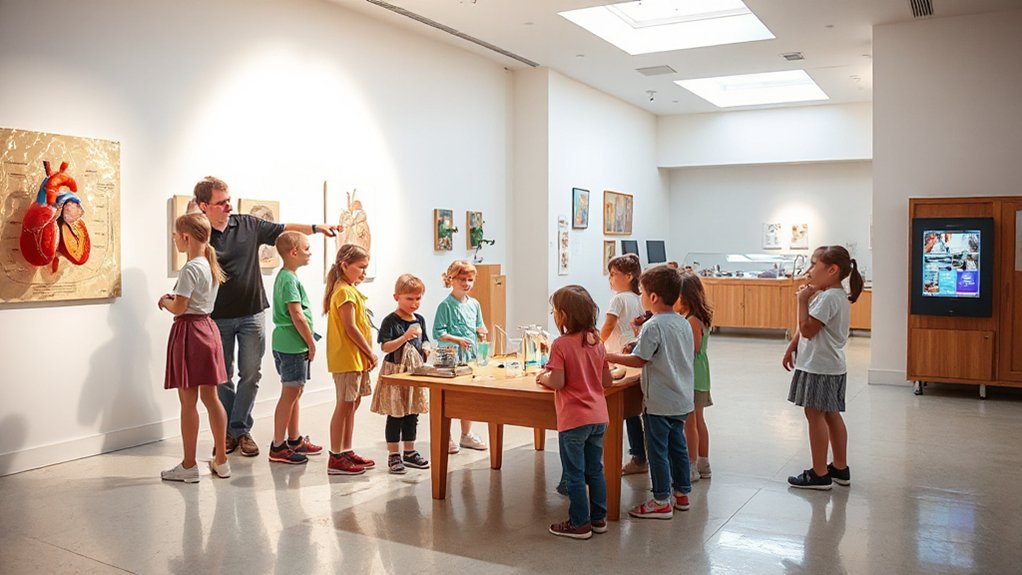
Museums aren’t just about admiring artifacts—they’re hands-on classrooms you can explore at your pace. When you plan a visit, look for prompts that invite inquiry: sketch a sculpture, compare textures, or predict how a device works.
Turn exhibitions into mini challenges: ask why a painting uses certain colors, or how a medieval building’s layout influences daily life. Link discoveries to core concepts you’re teaching your kids at home, then revisit with a quick recap.
Pay attention to museum architecture as a storytelling element—doors, ramps, lighting all shape understanding. Prioritize activities that reinforce observation and dialogue, not just spectacle.
Always consider visitor safety: follow guidelines, supervise interactives, and model curious, respectful exploration for a richer, safer learning moment.
Seasonal Programs, Workshops, and Family Events Beyond Exhibits
Seasonal programs, workshops, and family events extend learning beyond the galleries, turning a visit into a multi-day rhythm of curiosity. You’ll discover opportunities that adapt to holidays, seasons, and local culture, keeping kids engaged long after the exhibit lights fade.
Look for hands-on activities that pair art with science, stories with building challenges, and performances that invite audience participation. These seasonal activities reinforce core skills—observation, collaboration, problem-solving—while staying playful and approachable.
Families can plan around themed weeks, keeping spontaneity alive without sacrificing depth. Local museums frequently host collaborations with schools, libraries, and community groups, expanding your options and supporting community ties.
Embrace these events as immersive boosts to everyday learning, not one-off distractions.
- Seasonal activities that align with the calendar
- Family workshops that invite hands-on creation
- Community partnerships amplifying museum learning
Frequently Asked Questions
Are Museums in Spain Truly Fun for All Ages?
Yes, museums in Spain can be fun for all ages if you seek interactive exhibits and accessible design, because interactive exhibits spark curiosity and museum accessibility guarantees everyone can participate, learn, and enjoy regardless of age or ability.
Which Spanish Museums Require Advance Kid-Friendly Bookings?
Some Spanish museums require advance bookings for kids, especially popular ones like Boqueria’s cultural centers and science hubs. You’ll love museum architecture, and interactive exhibits, so plan ahead, secure timed slots, and bring snacks for busy, curious little explorers.
Do Museums Offer Multilingual Kid Activities Across Regions?
Interactive exhibits and multilingual tours? Yes—many museums offer both, with kid-friendly programs in several languages across regions. You’ll find guided tours, audio guides, and hands-on stations designed for diverse ages, making visits smoother and much more engaging.
How Long Should a Typical Family Museum Visit Last?
A typical family museum visit lasts about 2 to 3 hours, enough to explore museum architecture and enjoy interactive exhibits without fatigue. Bring snacks, pace your route, and let kids guide questions—stay flexible for spontaneous discoveries and breaks.
Are There Discount Passes Specifically for Families?
You’ll find family membership discounts and free admission days, so you can save big while you explore. You’ll compare passes, plan ahead, and savor the museum magic without breaking the budget—thank satire, your wallet stays happier.
Conclusion
You’ve got a passport full of wonder, and Spain’s museums are your launchpad. Picture kids tugging you toward a bubbling lab, or pulling you into a pastel-perfect gallery with curious questions in their pockets. The clock ticks, the halls hum, and a single discovery could spark hours of curiosity. Will you chase it or let it slip? Pack patience, snacks, and a map that invites surprise. The next museum moment? yours to seize, right now.