
You’ll optimize Spain’s Park‑and‑Ride by selecting high‑security, well‑lit sites with real‑time occupancy and predictable shuttle schedules. Align arrivals with transit frequencies to reduce door‑to‑door time, and choose cost‑effective passes tied to your pattern. Use clear signage, capacity dashboards, and receipts to track spend and emissions reductions. Prioritize routes with minimal transfers, strong feeder connections, and security investments. If you keep following, you’ll uncover more actionable steps to sharpen implementation and policy outcomes.
Key Takeaways
- Identify strategically located park-and-ride sites near major highways with good lighting, security, and feeder transit links to reduce car trips into city centers.
- Check real-time occupancy and reliable shuttle schedules to minimize wait times and maximize door-to-door efficiency.
- Use regional planners’ data on catchment areas, transit reliability, and emissions benefits to choose high-impact locations.
- Leverage digital payments, passes, and mobility apps for seamless entry, ticketing, and fare management.
- Monitor costs, occupancy dashboards, and service advisories to sustain reliability, equity, and value over time.
Choose the Best Park‑and‑Ride: Criteria, Options, and Quick Wins
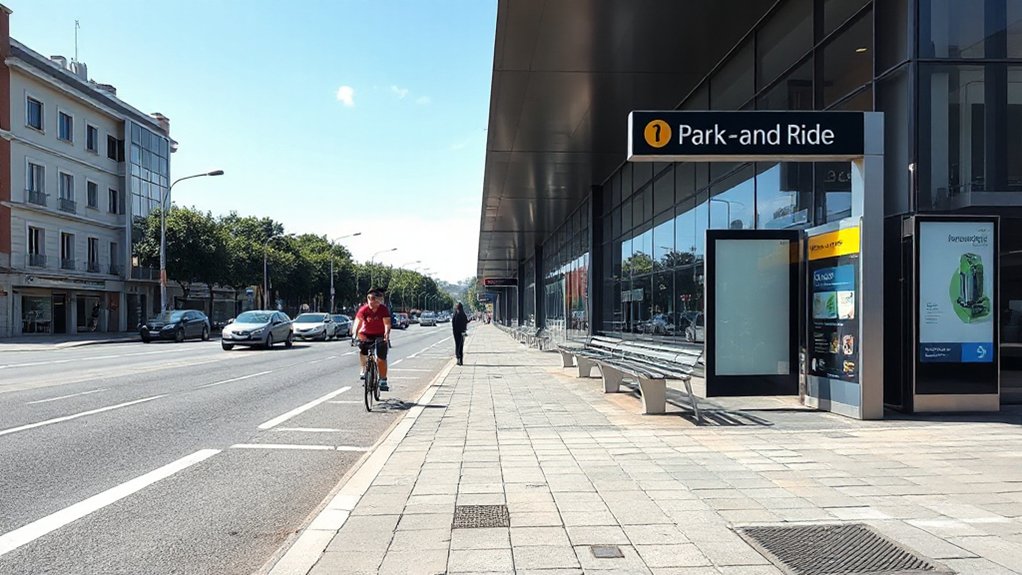
When choosing the best park‑and‑ride (P&R) option, start with clear criteria and measurable targets: accessibility to major transit lines, parking capacity, proximity to highways, cost to users, and reliability of shuttle or feeder bus services. You’ll compare options using these metrics, then rank them by performance against targets.
Prioritize sites with robust lighting, surveillance, and regular patrols to improve Parking security.
Analyze environmental impact through land use, stormwater management, and electrification potential for fleets.
Map transfer times to central corridors and compute total door‑to‑door travel minutes gained.
Implement quick wins like real‑time occupancy displays and predictable shuttle schedules to build user trust.
Document decisions, monitor outcomes, and adjust baselines to sustain efficiency, safety, and access.
Why Park‑and‑Ride Makes Sense and How to Pick Your Location
Park-and-ride makes sense because it streamlines trips, reduces congestion, and lowers emissions by shifting driving miles to transit-first corridors.
You should evaluate location choice against clear criteria: proximity to major arterials, park size and turnover, security measures, and integration with feeder bus routes.
Prioritize sites that minimize local traffic displacement while maximizing accessibility for typical commuters and shoppers.
Use data on catchment areas, parking occupancy, and transit reliability to forecast modal share changes and environmental impact reductions.
Guarantee policies incentivize affordable pricing, real-time information, and safe pedestrian access.
Map potential sites against land use plans, support services, and jurisdictional approvals.
Align with regional goals for emissions, congestion relief, and equity to maximize benefits of your park-and-ride investment.
Timings and Schedules: Avoid Peak Hours and Plan Your Move
To maximize benefits and minimize delays, time your park-and-ride trip around transit schedules rather than traffic peaks, using real-time and historical data to guide the decision. You should map typical arrival windows to service frequency and platform changes, then align your departure with the latest timetable updates.
Prioritize schedule optimization by selecting routes that offer staggered service, reduced transfers, and longer headways during off-peak periods. Analyze peak hours versus shoulder periods to identify windows with reliable connections and lower congestion.
Implement guardrails: set alerts for service advisories, and build contingency options for delays. This approach supports policy goals of reliability, cost efficiency, and user equity, while minimizing transfer risk and total travel time.
Book, Pay, and Save: Passes and Payment Tips
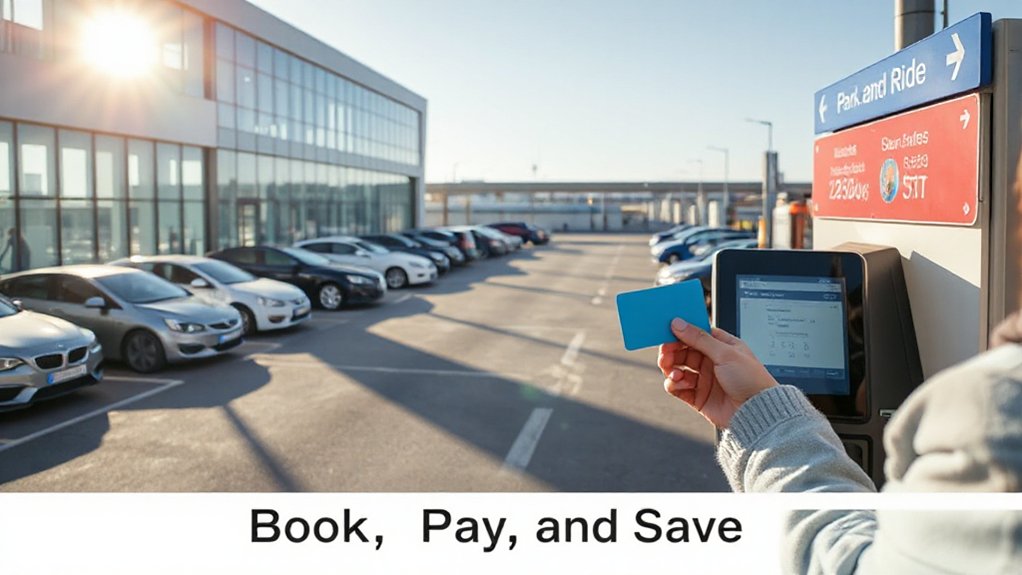
You’ll compare Pass Options Overview to identify the most cost-effective choice for your usage pattern, then map Payment Tips Quickguide steps to your checkout flow.
By citing Savings and Validity Check data, you can forecast total costs under different scenarios and set a policy for when to buy.
Implement these takeaways to streamline booking, secure payments, and maximize savings across Spain’s park‑and‑ride network.
Pass Options Overview
If you want to maximize efficiency and cost savings, start by selecting the right pass option that matches your typical trip pattern and vehicle use. This overview compares monthly, weekly, and pay-as-you-go models across major park‑and‑ride hubs, highlighting break-even points and usage caps.
Data show that commuters with daily downtown trips benefit from multi‑day passes, while occasional shoppers lean toward pay‑as‑you-go with reset provisions. Implementation notes emphasize eligibility windows, renewal cycles, and peak‑hour pricing to prevent unintended overcharges.
When selecting, consider parking regulations and the availability of shuttle services, which influence total time and cost. Also assess nearby local amenities and gateway access rules, as these affect transfer convenience and overall trip reliability.
Choose a model that minimizes idle time and aligns with your typical start and end points.
Payment Tips Quickguide
Moving from the pass options overview, this quickguide sharpens focus on how to book, pay, and save across Spain’s park‑and‑ride hubs. You’ll optimize payments by prioritizing official channels and real‑time pricing data, reducing overcharges and late fees.
Compare mobile apps for single‑tap transactions, auto‑top‑up, and location services to confirm lot capacity before arrival. Use registered Parking permits to release discounted rates at participating hubs, and link them to your transit card or app wallet for seamless entry.
Record‑keeping matters: save digital receipts, monitor daily caps, and track price fluctuations to optimize trips. Guarantee compliance by updating device permissions for notifications on price changes and permit expirations.
This approach minimizes friction, boosts throughput, and aligns with policy targets for efficient metropolitan access.
Savings and Validity Check
Savings and validity checks are essential to avoid overspending when booking park‑and‑ride, as real‑time pricing and permit statuses determine eligible discounts and caps. You should verify current fare discounts, cap behaviors, and eligibility rules before purchase, and confirm whether your pass supports validity extensions if you travel across zones or dates.
- Compare live prices across times and days to lock in lower rates.
- Confirm fare discounts apply to your vehicle type and entry window.
- Check whether your permit status permits validity extensions for multi‑day use.
- Validate auto‑renew or manual renewal options to prevent lapses.
What a Typical Cross‑City Commute Looks Like in Spain
In Spain, a typical cross-city commute hinges on a coordinated mix of car-free options and smart park‑and‑ride choices that start with a clear plan and end with reliable timing. You’ll rely on calibrated transit schedules, synchronized with park‑and‑ride access points, to minimize gaps between driving and rail or bus legs.
Data indicates peak congestion shifts across regions, so your plan should adapt to local traffic patterns and seasonality. Policy-wise, prioritize feeder routes, priority lanes, and real-time updates to reduce idle time.
Implementation focuses on ticket integration, multimodal apps, and clear wayfinding at park sites. Consider cultural nuances that affect timing and behavior, ensuring reminders respect local norms while maintaining punctuality and efficiency.
This approach delivers predictable commutes with reduced emissions.
Budget and Troubleshooting: Costs, Value, and Fixes
Estimates show park‑and‑ride programs delivering cost savings when you balance capital outlays with operating expenses. You can boost value by integrating pricing signals, real‑time occupancy data, and multi‑modal fare options to minimize total travel costs for users.
In this section, you’ll focus on cost analysis, identifying where money flows and where efficiencies gain traction, while framing actionable troubleshooting tips for implementation.
- Conduct a cost analysis across capital, maintenance, and operating budgets to reveal break‑even timelines and ROI.
- Align pricing signals with demand to improve utilization and reduce congestion costs.
- Establish real‑time occupancy dashboards to flag capacity issues and trigger dynamic responses.
- Document common faults, restore steps, and contingency plans to minimize downtime and service impacts.
Frequently Asked Questions
How Do Park‑And‑Ride Fees Vary by City?
You’ll find park‑and‑ride fees vary by city, driver. In practice, fees differ by zone and time. Parking regulations dictate rate schedules, while fee payment methods include apps, machines, or contactless cards, shaping your compliance and budgeting.
Are There Student or Senior Discounts Available?
Yes, you’ll find student discounts and senior discounts in many cities. Data shows variability by municipality; check local transit pages and ID requirements, and verify eligibility, expiration dates, and how to apply at park‑and‑ride facilities.
Can I Reserve a Space in Advance?
Yes, you can reserve a space in advance. Check reservation policies for your specific site, and monitor real-time parking space availability. You’ll maximize certainty and minimize delays by aligning your plan with official data and availability trends.
What Are the Security Measures for Vehicles?
Vehicle surveillance and access control are central security measures. You’ll benefit from continuous monitoring, regulated entry points, and rapid incident responses, ensuring your vehicle’s safety. Data-driven policies guide enforcement, with transparent reporting and proactive risk assessments for every facility.
Which Apps or Maps Best Show P&R Availability?
In Spain, about 60% of users rely on real-time data; apps like Google Maps, Citymapper, and local transit apps best show P&R availability. You’ll compare public transportation options and parking regulations before you park and ride.
Conclusion
Park‑and‑ride makes commuting cheaper and greener, but success hinges on smart choices. You should map least‑congested routes, compare city and regional passes, and time trips to dodge peak hours. Statistically, homeowners near a P&R can cut driving costs by up to 30% and shave 15–20 minutes off door‑to‑door times during peak periods. Use real‑time data, book ahead, and track utilization to adapt. Implement policy targets: expand coverage, transparent pricing, and multimodal integration for steady gains.