
From doom to delight, Spain’s scenic road trips feel like moving galleries: coast, cliffs, snow-kissed peaks, and medieval whispers you can taste along the way. Start with Costa Brava’s hidden coves, then Costa de la Luz’s sunlit sands, swap to Alpine switchbacks, and weave through medieval towns with winery stops. Pack smart, pace yourself, and chase viewpoints over highways. Want more routes and exact detours that align with your mood? There’s plenty more to explore just ahead.
Key Takeaways
- Explore Costa Brava’s hidden coves and gull-wing cliff towns for dramatic coastal scenic drives along Catalonia’s shore.
- Compare Costa de la Luz’s wide sandy beaches and whitewashed towns for sunlit, tranquil Atlantic coast routes.
- Traverse mountain-to-valley corridors with snow-capped peaks, glacier-blue rivers, and switchback panoramas for Alpine scenery.
- Add heritage detours through medieval towns and wine country to pair historic architecture with regional flavors.
- Plan with practical tips: fuel stops, safety, parking rules, and pacing to savor canyons, coasts, and cliffs without hurry.
What Makes Spain’s Scenic Roads Worth the Drive
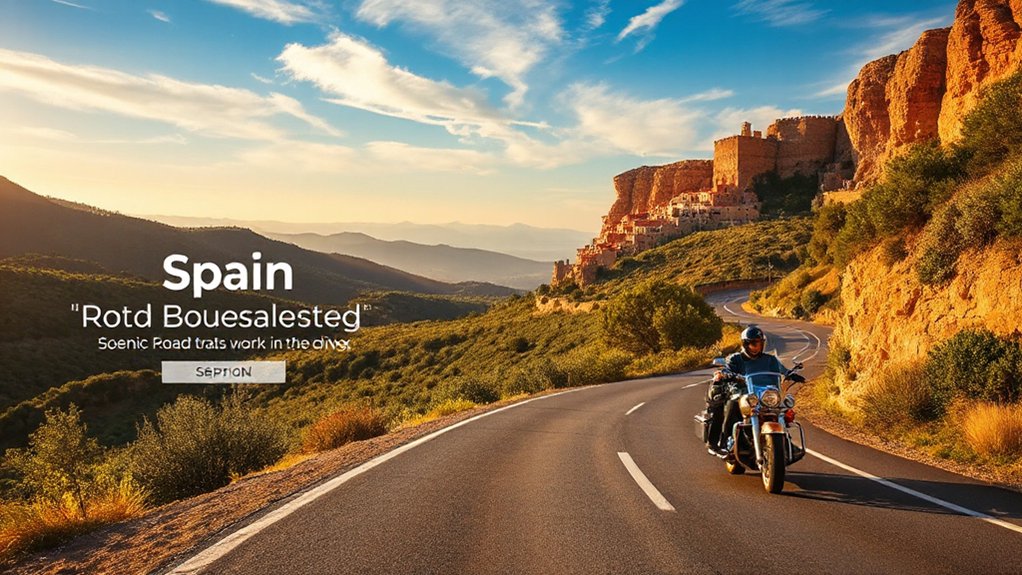
Spain’s scenic roads aren’t just routes; they’re moving museums and punchy color sheets rolled into one. You chase horizons, you don’t chase mistakes, because every bend reveals a curated problem-solver: a vista, a village, a pause that fuels your memory.
What makes them worth the drive isn’t just scenery; it’s the rhythm you tap between throttle and brake. You’ll encounter hidden gems tucked along cork forests, hillside monasteries, and old windmills that outlive fads.
The landscape folds into you, rewarding patience with sharp contrast—white houses, terracotta roofs, aquamarine seas, olive groves whispering stories. And you taste local flavors in roadside taverns: grilled peppers, saffron rice, cured meats, bold cheese.
You finish knowing every mile served clarity, not clichés.
Coastal Drives Compared: Costa Brava vs. Costa De La Luz
Costa Brava and Costa de la Luz both beguile coastal drivers, but they feed you different cravings: pine-scented cliffs and cliffside villages along the Catalan shore versus sun-washed beaches and whitewashed towns near the Atlantic.
Here’s how you’ll compare the routes, with clear, bracing guidance:
- Hidden beaches or bustling coves—Costa Brava hides coves; Costa de la Luz flaunts wide sands.
- Coastal cliffs—stark, dramatic perches in Catalonia; flat horizons frame the Andalusian coast.
- Village character—gull-winged cliff towns versus whitewashed fisheries with flamenco echoes.
- Practical pace—narrow lanes and scenic detours invite deliberate dalliance over highway speed.
Choose your mood: pine-scented drama or sunlit sighs, and chase the best hidden beaches.
Mountains to Valleys: Rivers, Peaks, and Snow-Scape Routes
Ever wondered how a single road can stitch rivers to ridges and turn snow into scenery? You’ll trace routes where Alpine landscapes loom beyond cork forests, and rivers carve valleys beneath craggy silhouettes. This is where gradients tighten and views widen, where switchbacks reveal Snowy peaks kissing the horizon.
You’ll drive through high passes, feel crisp air, and watch a glacier-blue river corkscrew past granite sentinels. Precision matters: timing your climbs for white-capped panoramas, skirting clouds that kiss the saddle between ranges, then dropping into sunlit valleys where olive groves wink at your windshield.
These itineraries reward momentum with clarity—every turn delivering a sharper outline, every descent a cleaner line. Pack layers, respect weather, and let the scenery speak in clear, unfussy terms. Alpine landscapes, Snowy peaks.
Heritage Detours: Medieval Towns and Wine Country Highlights
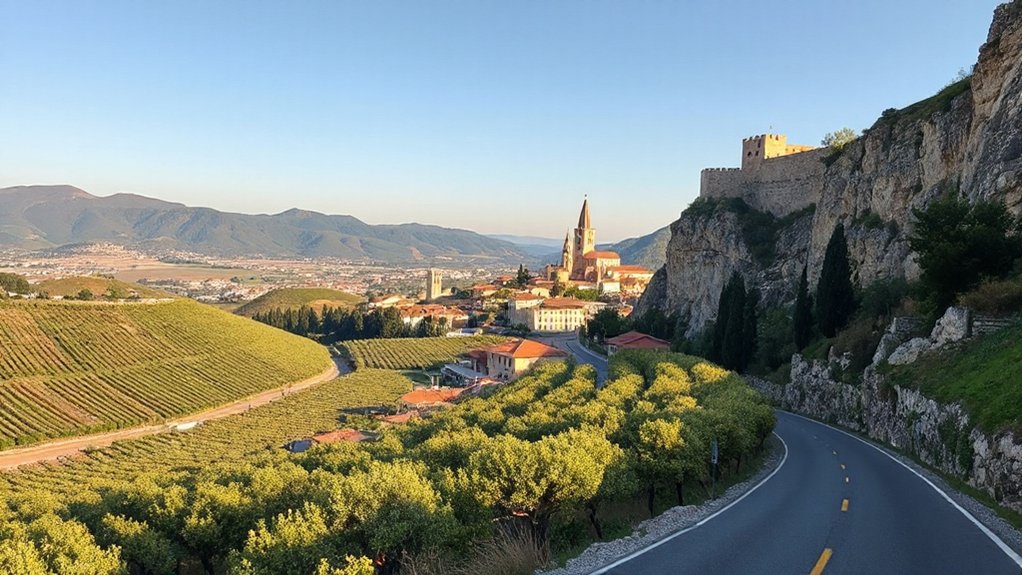
Start your detour by stepping into medieval towns that still wear history like a badge of honor, then pair each cobbled street with a glass of local wine to taste the period in every sip. You’ll feel the pulse of medieval architecture in every doorway, every tower, every chapel bearing stone-worn stories.
This route blends time-honored stone with modern palate cues, delivering precise, satisfying flavor notes through wine tasting. Plan your pace to savor legends without rushing, and let the vintner’s notes guide your curiosity.
- Align town squares with a cellar-worthy pour and notice how history tightens its grip.
- Compare fresco remnants to current vineyards, spotting continuity in tradition.
- Sample regional varietals that echo old trade routes.
- Record impressions, not adjectives, for sharper insights into heritage.
Plan Your Trip: Practical Tips for a Spain Scenic Road Trip
Planning a Spain scenic road trip means marrying awe-inspiring landscapes with practical smarts, so you actually enjoy the ride—without chasing repairs or detours all day. First, map a route with keystone towns and fuel stops, then flag flexible timelines for sunrises and scenic overlooks.
Pack a compact toolkit, spare fluids, and a charging plan for devices; expect minor glitches, not catastrophes. Know local parking rules and have a backup plan for heavy traffic corridors.
Prioritize travel safety: seat belts fastened, speeds suited to road type, and weather checks before departure. Sample local cuisine at authentic joints to pace meals between views.
Keep documents near, and track expenses to stay on budget. With preparation, you’ll savor every canyon, coast, and cliff-face without regret.
Frequently Asked Questions
What Are the Best Seasons for Each Scenic Route in Spain?
Spring and autumn best for most routes, you’ll catch seasonal blooms and mild Weather variations, with fewer crowds. Summer’s heat and winter’s chill matter less on southern or high-altitude stretches, but plan accordingly for comfort and safety.
How Long Does a Typical Spain Scenic Road Trip Take?
A typical Spain scenic road trip lasts about 7 to 14 days, depending on stops. You’ll savor historical landmarks, relish culinary experiences, pace yourself, plan your routes, and savor landscapes, landscapes, landscapes—then reflect, refine, and repeat with purpose.
Which Routes Are Family-Friendly and Child-Friendly?
Family-friendly routes include the Costa del Sol and Catalonia’s coast, plus the Basque Country’s green valleys, offering kid-friendly stops with Historical landmarks and Local cuisine, keeping you engaged; you’ll stay efficient, witty, and confidently organized throughout.
Are There Tolls on Major Scenic Coastal Drives?
Yes, some major coastal drives include tolls while others are Toll free routes, so you’ll want to map Scenic tolls ahead. You’ll find options that let you enjoy scenery without unnecessary charges, keeping your route witty and precise.
Can You Combine Wine Country Visits With Scenic Byways?
Yes, you can combine wine country visits with scenic byways, and you’ll love it: 92% of travelers report learning more during winery stops. You’ll savor wine tasting, Vineyard tours, and breathtaking horizons while driving through lush countryside.
Conclusion
You’ll find that the road you’re dreaming of is the one you’re already on—quite the hinge moment, right where your passenger seat becomes a front-row seat to chance. As you chase coastlines, corkscrewing valleys, and medieval silhouettes, Spain keeps serving you perfect, unplanned surprises. Coincidence nudges you toward a hidden harbor, a sudden vista, a warm tavern. Drive on with curiosity; the map may guide you, but the story guides you more. The road reveals you, too.