
A Barcelona-to-Marseille train blends coastlines, medieval towns, and sunlit Provençal hills into a smooth, efficient ride you’ll want to repeat. You’ll depart from Barcelona Sants and glide through Perpignan and Narbonne before arriving at Marseille Saint-Charles, with options for direct high-speed or regional trains and onboard scenery to match the journey. Plan for roughly 4.5–5.5 hours, with buffers for connections and local meals. If you keep exploring, you’ll uncover more tips and routes.
Key Takeaways
- Barcelona to Marseille typically uses direct high-speed or regional trains with minimal transfers, departing from Barcelona Sants and arriving at Marseille Saint-Charles.
- Travel time ranges from about 4.5 to 5.5 hours, depending on service type and stops along the route.
- Plan for layovers to explore Perpignan and Narbonne; consider local cuisine and scenic viewpoints during short breaks.
- Book early for peak periods; look for youth, senior, or bundled discounts and consider Eurail or regional passes if needed.
- Stations offer accessibility features (elevators, ramps, tactile maps) and clear signage to ease navigation between platforms.
Barcelona–Marseille Train: What to Expect on the Journey
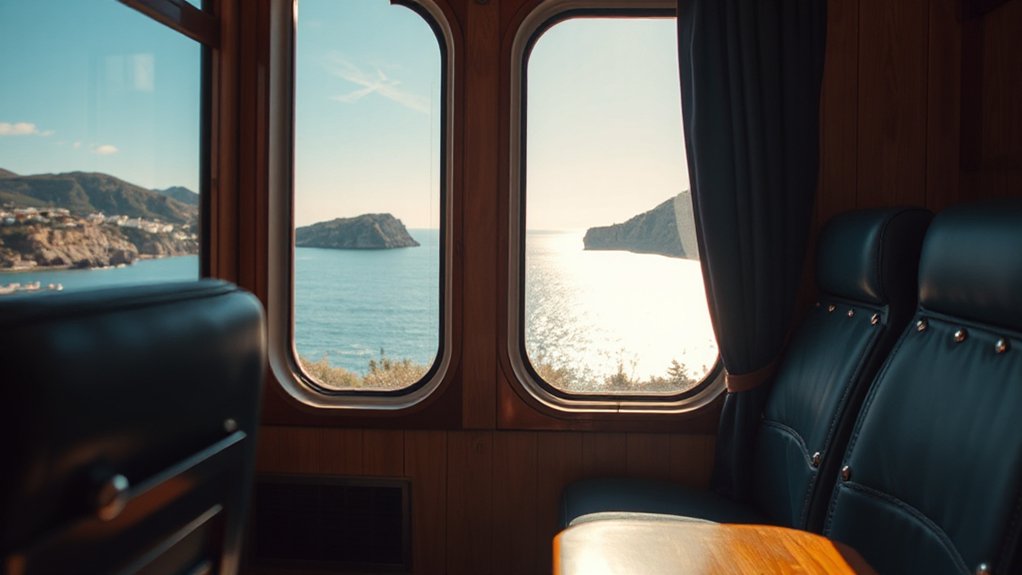
If you’re boarding the Barcelona–Marseille train, expect a smooth cross-border ride that threads the Catalonian coast to the French Riviera. You’ll notice a steady rhythm as landscapes shift from sunlit beaches to olive groves and sleepy towns.
Windows frame a continuous parade of distant mountains and white-washed stations, inviting quick assessments of your day ahead. On the move, you’ll pass historical landmarks glimpsed from between fields and hills, offering a quiet, real-time chronology of the route.
The onboard atmosphere stays practical: clear signage, reliable announcements, and comfortable seating for the journey stretch. When you arrive, savor the anticipation of tasting local cuisine nearby, knowing a coastal itinerary awaits.
This section sets expectations, not detours, guiding your efficient travel mindset.
Best Rail Options and Timetable Overview
From the previous topic, you’ve seen the ride’s rhythm; now you’ll map out the best rail options and a practical timetable for Barcelona to Marseille. You’ll find direct options via high-speed lines and comfortable regional connections that minimize transfers.
Prioritize overnight or daytime services that align with your preferences, noting departure windows from Barcelona Sants and arrival slots at Marseille Saint-Charles. In this overview, consider pacing yourself to appreciate historical landmarks along the route, while planning brief city walks during any short layovers.
Track frequencies, rail totals, and platform changes, then build a simple day-by-day plan. Don’t neglect local cuisine stops near stopovers, which can enrich your journey without derailing schedules.
Clear choices let you travel with confidence and focus.
Travel Time: How Long Is the Barcelona–Marseille Train?
You’ll notice that the Barcelona–Marseille ride sits on a steady timetable, with the typical duration nudging around six to seven hours depending on the chosen service. I’ll map out what to expect along the way, from transfer moments to scenic stretches that shape your travel rhythm.
In short, this section sets the frame for planning your day—how much time to allocate and where the clock matters most.
Travel Time Overview
The Barcelona–Marseille journey clocks in at roughly 4.5 to 5.5 hours, depending on the specific service you choose and how many stops the train makes. You’ll notice how the scenery shifts from Catalan coast to Provençal hills, giving your travel time a tangible sense of place.
If you’re timing connections, you’ll appreciate the window for onboard meals, quick work, or scenic photos between stations. This overview keeps your itinerary sharp: you’ll plan departures, account for potential delays, and select trains that align with your day’s rhythm.
Cultural festivals and local cuisines aren’t the focus here, but they’re nearby attractions you can sample once you arrive, shaping your sense of time spent on the journey itself.
Typical Journey Duration
Across the Barcelona–Marseille route, most trains run about 4.5 to 5.5 hours, depending on the service and how many stops you ride through. You’ll notice the rhythm of the journey in the window light, the way stations blur into small towns, and the sense of time stretching or tightening with each corridor shift.
Typical durations hinge on whether you’re bypassing regional stops or boarding high-speed options that skim the coast. You’ll plan around departures that align with your itinerary, factoring connection times and meal breaks.
As you move, observe train station architecture—from sleek glass canopies to brick façades—frame your experience. Use ticket booking platforms to compare fares, seats, and durations, narrowing to the smoothest, most reliable option.
Where the Route Goes: Key Stopovers and Scenery Highlights
From Barcelona’s bustle, the train threads into a varied tapestry: urban skylines give way to coastal scrub, then the Pyrenees loom in the distance as you coast toward the Catalan and French border.
- Stop in Perpignan reveals a mix of Catalan and Occitan vibes, with markets and medieval lanes.
- In Narbonne, Roman ruins peek between pastel facades and riverside promenades.
- Port-la-Nouvelle offers salt-air panoramas and lighthouse silhouettes against the sea.
- Marseille-bound scenes unfold past Aix-en-Provence’s fountains, where street cafes hum with local cuisine and Provençal chatter.
Historical landmarks punctuate the journey, while local cuisine cravings tempt between passes of modern seaside towns and inland terroirs.
You track scenery, then plan pauses for photos and bites.
Ticketing Basics: Fares, Passes, and How to Buy
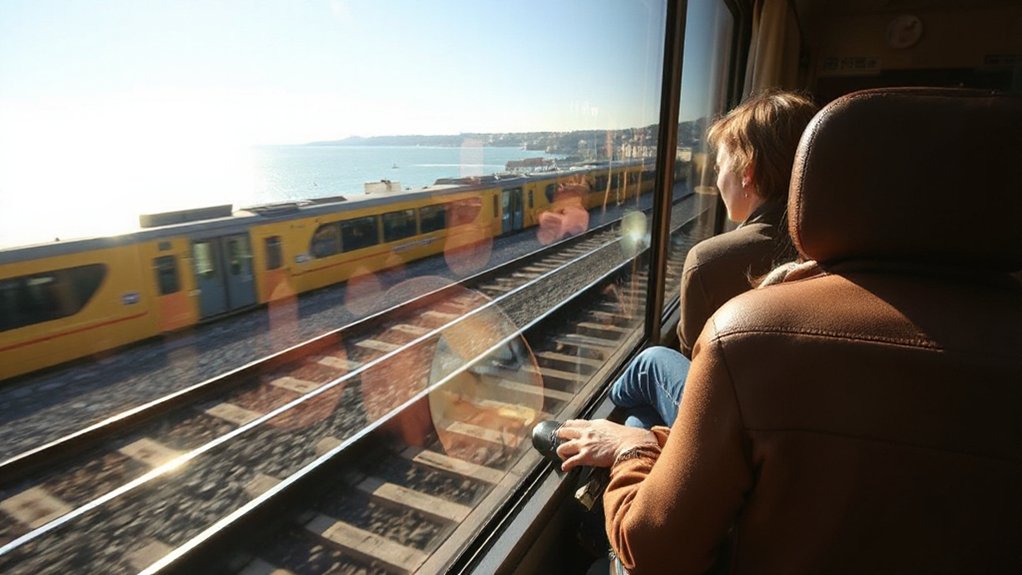
Rail passes and single tickets alike exist for this route, and you’ll find the simplest option is to buy ahead for the major legs while keeping a flexible plan for the rest.
You’ll compare regional, national, and Eurail-style options, weighing price against timing and seat reservations. On a practical day, aim to book high-demand segments early, then fill gaps as your itinerary clarifies.
Expect clear fare labels, with reductions for youths or seniors where applicable. Ticket discounts can appear when bundles cover multiple legs, or when you choose off-peak departures.
Arrive early to platforms so you can assess train cleanliness and carriage conditions before boarding.
With a confident purchase strategy, your Barcelona-to-Marseilles journey stays smooth and well-budgeted.
Barcelona to Marseille Stations: Which Ones to Use
You’ll map out your route by weighing the Barcelona departure hubs against the Marseille arrival points, balancing train frequency, location, and accessibility.
Consider how the main Barcelona stations line up with your itinerary, then compare how Marseille’s arrival points put you within reach of your next stop or hotel.
This quick overview sets up the practical choices you’ll want to optimize as you plan your journey.
Station Options Overview
Want to know which stations make sense on a Barcelona-to-Marseille rail journey? You’ll focus on practical hubs that blend timing with texture, letting you peek at local rhythm without detours. Choose stations that streamline connections, and consider nearby daisy-chained neighborhoods for bite-sized street life, local cuisine, and cultural festivals.
- Barcelona Sants: primary gateway, efficient transfers, frequent services.
- Perpignan: reasonable stop for scenery, quick onward links.
- Narbonne: calm transfer point, closer to coast sights.
- Marseille-Saint-Charles: major arrival, easy city access and amenities.
Trust these choices to balance speed with immersive stops. Keep an eye on timetables, platform changes, and regional schedules, so you can weave in a taste of local cuisine and a chance to catch a festival along the way.
Barcelona Departure Hubs
Barcelona’s departure scene kicks off with Sants as the dependable workhorse, then branches toward faster arrivals via neighboring hubs. You’ll notice the rail network’s rhythm: Sants handles steady long-haul loads, while França and Barcelona–Nord offer quicker hops for regional ties.
If you value speed, head to França for high-speed options or to El Clot for a quieter, local feel. Each station presents a different tempo, signage, and crowd posture, so you’ll adjust your pace accordingly.
Plan a morning coffee near Sants for people-watching and travel photography practice, then chase the best light along platforms as trains glide in. Don’t overlook local cuisine near station exits: a quick bocadillo, a coffee, a pastry, then back to your boarding zone with confidence.
Marseille Arrival Points
If you’re arriving from Barcelona, Marseille’s gare options split by vibe and speed, so pick the one that fits your plans. You’ll notice distinct arrivals that shape your first hours: central access, coastward charm, or a quick onward connection. Use this quick guide to orient yourself and respect your itinerary.
- Marseille-Saint-Charles: main hub for city access, immediate proximity to bus and metro lines.
- Aix-en-Provence TGV (via high-speed link): faster onward trips, a stylish, modern atmosphere.
- La Joliette (Port): for harbor-side stays and freight-line calm, with sea views.
- Arenc-Marseille: quieter, near neighborhoods and markets, ideal for local strolls.
Historical landmarks and local cuisine nearby anchor your plans, enriching your arrival.
Onboard Comfort: Seating, Refreshments, and Amenities
Onboard, you’ll notice seating that prioritizes both space and legroom, with cluster layouts that let you choose a window view or a quiet corner for work or rest. The car feels calm and functional, designed for efficient progressions between cities.
Seat padding is firm but comfy, with adjustable headrests and accessible power outlets for devices. In-flight entertainment arrives as a compact system—screen, playlists, and regional news—enough to pass a routine segment without distraction.
Refreshments appear at intervals, offering coffee, bottled water, and light snacks that travel well.
Luggage storage is straightforward: overhead racks hold backpacks and small bags, while larger suitcases slide into designated bays near the doors.
You’ll notice thoughtful touches that support a smooth, itinerary-friendly journey between Barcelona and Marseilles.
Pack for the Day Trip: Practical Packing Tips

Pack for the day trip with lean essentials that maximize flexibility and comfort. As you ride, you’ll want items that glide between stations without weighing you down. Pack light, yet ready for changing plans or weather.
- Compact rain layer and sun hat
- Reusable water bottle and quick-snack pack
- Light scarf, small notebook, pen
- Portable charger and universal plug
With packing essentials in mind, you’ll keep travel comfort front and center. A slim backpack carries the must-haves, letting you move through Marseilles’ streets or a museum pause without distraction. Avoid bulk by choosing multi-use items and layering basics.
You’ll appreciate a tidy kit for quick photo stops, cafe breaks, and scenic viewpoints along the route. The aim is steady, unhurried momentum—efficient, organized, and ready for spontaneous detours.
Connectivity on Board: Wi‑Fi, Power, and Working En Route
You’ll find Wi‑Fi cards or onboard networks promising enough for quick emails and maps, but speed and reliability vary by car and time of day.
Power options range from universal outlets to USB ports, so plan to top up before you settle in.
The working vibe shifts as you roll through coastal towns and inland curves, so plan your tasks around the scenery and connectivity pockets.
Wi‑Fi Availability Onboard
Once the train pulls away from Barcelona, you’ll find Wi‑Fi available across most cars, making it easy to catch up on work or stream a show as you glide toward Marseille.
You’ll notice the connection is steady enough to check maps, emails, and quick video calls without buffering. Keep your expectations practical: speeds suit light tasks, not high‑def streaming.
Here’s a quick guide to the flow of connectivity:
- Log in at boarding display or your ticket code, then select a network.
- Use offline modes for critical work if signal dips.
- Monitor data usage to avoid throttling during peak times.
- Train safety and ticket discounts remain your priority during travel.
Power Options For Devices
Power options on board guarantee you stay productive without hunting for outlets. As you settle into the carriage, you’ll notice thoughtfully placed power outlets at seats and along the aisles, plus USB ports near the tables for quick top-ups.
The charger you packed fits neatly, and you’ll appreciate the steady current during longer stretches between stops. If you’re juggling a tablet for maps and a laptop for notes, the symmetry of light, accessible power keeps your rhythm intact.
Train cuisine may tempt, but a quick bite won’t derail your charge cycle. Use the luggage storage zones wisely; stowing bulky bags frees space for cables and devices, keeping your workspace clear and ready for the next arrival.
En Route Work Environment
Connectivity on board isn’t an afterthought here; it’s the anchor for productive en route work. You notice how Wi‑Fi reliability varies with carriage position, so you adapt your plan around the scenic slowdowns and café-style stops.
- Map out power points at seating clusters and adapt to desk-like layouts when the train slows near stations.
- Keep a compact charger handy for quick swaps and monitor battery health during longer legs.
- Use offline notes for per‑car tasks, then switch to online syncing during brief track-side gaps.
- Schedule calls or video briefs for times you’ll be in reliable coverage, while soaking in Cultural festivals and sampling Local cuisine between sessions.
Day Trips Along the Route: Stops Worth a Visit
Along the Barcelona–Marseilles route, several towns along the rails reward day-trippers with compact sights and easy, loop-friendly detours. You’ll slip off briefly to soak in local character, then hop back aboard with time to spare.
In each stop, prioritize walkable cores, pastel façades, and a rhythm that fits a tight schedule. Local culinary experiences tempt you with tapas, seafood, and regional pastries, best sampled at markets or simple bistros near the station.
You’ll notice historical landmarks perched beside modern cafes, offering a quick dialogue between eras. Plan short, purposeful strolls: a coast-hugging promenade, a medieval church, a hilltop view.
Pack a compact map, a water bottle, and a sense of curiosity, then let the train’s cadence unfold your day.
Travel Etiquette and Platform Safety Tips
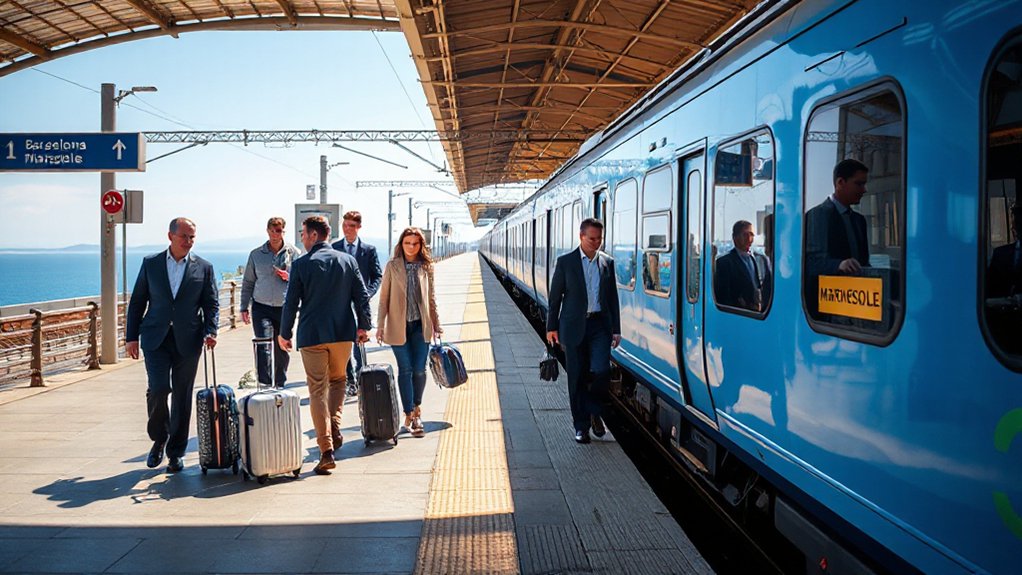
On the Barcelona–Marseilles route, travel etiquette and platform safety start with punctuality—arriving early gives you time to scan the board, tag your bag, and orient yourself before the doors slide open.
You’ll notice how locals move with calm efficiency, a cue for your own pace and spacing. Respect cultural customs as you mingle with travelers, and handle baggage with care to keep aisles clear.
Stay aware of platform edge gaps, and step back when trains screech to a halt. Maintain quiet during announcements, and help others as needed. Follow these tips:
- Arrive early and scan the boards.
- Tag and manage baggage, keeping aisles clear.
- Stand back from the edge and wait for doors.
- Speak softly, assist if asked.
Accessibility and Traveler Considerations
On board, you’ll notice thoughtful accessibility features—clear signage, step-free routes, and designated spaces for mobility aids that keep your Barcelona-to-Marseille journey smooth.
You’ll find onboard essentials like reachable drink stations and assistance requests easier to manage if you have specific needs, so plan a quick check-in at the start of each leg.
At stations, expect accessible entrances, tactile maps, and staff ready to help you navigate transfers, ensuring you stay on track with your itinerary.
Accessibility Onboard Essentials
From the moment you board, accessibility on the Barcelona to Marseilles train should feel seamless: clear seating layouts, step-free paths where possible, and intuitive notices that guide you to your car, platform, and amenities. You’ll notice thoughtful design that keeps cultural experiences and local cuisine within easy reach between stations, not obstacles to your pace.
- Clear signage and tactile indicators near doors and seating so you navigate confidently
- Elevators and ramps that connect cars with consistent floor heights for seamless transfers
- Accessible restrooms and priority seating clearly marked, with space for assistance devices
- Audio-visual aids that announce stops and services, plus quiet zones for focus or rest
Travelers With Disabilities Tips
If you’re traveling with a disability, you’ll notice details designed to keep you moving smoothly between Barcelona and Marseilles: step-free access where possible, clearly marked routes to stations and cars, and staff ready to assist without slowing your pace. You navigate practicalities with calm efficiency, from booking seats near elevators to timing transfers for minimal walking.
In stations, you’ll spot tactile indicators and quiet waiting areas that respect your focus. Onboard, accessible restrooms and priority seating align with your itinerary, letting you savor each leg without distraction.
Along the way, you’ll sample local cuisine at thoughtful stops and brief cultural festivals that punctuate travel with authentic atmosphere, making the journey feel deliberate, inclusive, and enriching.
Station Access Considerations
Station access matters as soon as you step off the train, with clear wayfinding, level paths, and staff ready to guide you to elevators or ramps. You’ll notice how stations’ layouts influence your pace, safety, and mood as you shift from rail to street.
From the Barcelona stop to Marseilles, access is a thread that connects culture and movement, letting you sample Cultural landmarks and the rhythm of daily life without friction. Local cuisine awaits nearby, so plan routes that minimize stairs and maximize curb cuts.
- Follow visible signs to elevators or ramps
- Check platform-to-street handover before exiting
- Ask staff for tactile maps or audio guidance
- Allow extra time for congested hubs
Alternatives if the Direct Train Isn’T Convenient
If the direct train isn’t convenient, you can mix and match routes for a smoother journey. You might compensate with a high-speed hop to a nearby hub, then switch to regional services that head toward Marseille. Expect time buffers for transfers, and choose connections that minimize backtracking.
Along the way, you’ll pass through towns where quiet streets reveal historical landmarks in unexpected corners, offering quick pockets of time to stretch legs and refuel. Gauge schedules that align with meal breaks so you can sample local cuisine without rushing.
Pack a compact itinerary map, note platform changes, and confirm ticket validity before boarding. With patience, this layered route offers efficient progress and fresh perspectives beyond the direct line.
A Sample 2-Day Barcelona to Marseille Itinerary
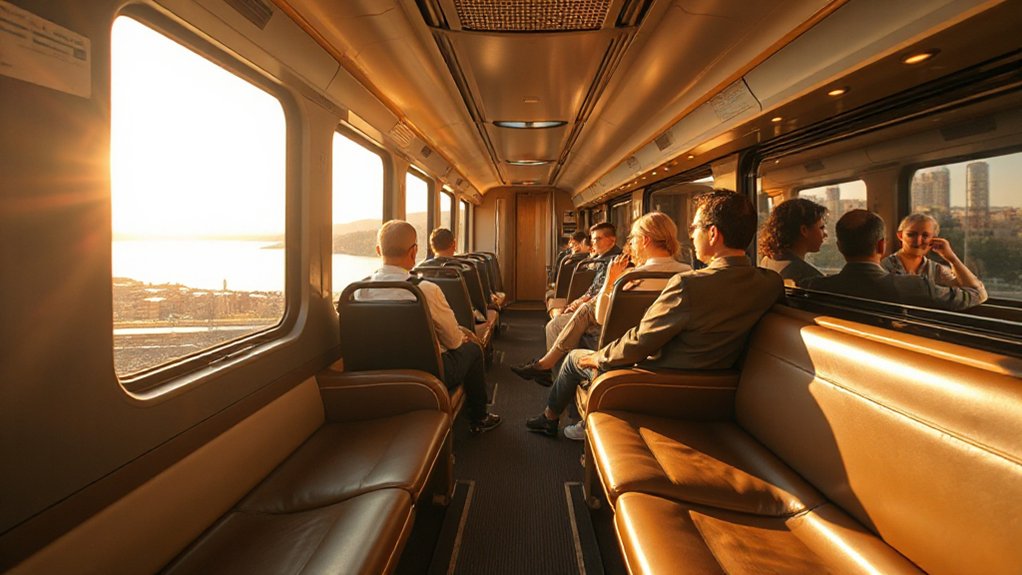
With a restful night in Barcelona behind you, you’ll board an early train south and set a pace that balances speed with scenery.
In Marseille, you map a tight two days that hits flavor, culture, and coastline without wasting a minute. You’ll savor local cuisine at a seaside bistro, then wander Vieux-Port at golden hour, watching boats drift by.
Your loop through neighborhoods reveals markets, street art, and a café cadence that feels authentic. Cultural festivals may thread through your timing, adding color to evenings.
Plan is simple, practical, and scenic.
- Barcelona to Marseille morning train, late breakfast on board
- Marseille harbor wander, old town, and seafood lunch
- Day trip to Calanques or coastal bike ride
- Evening markets, nightlife, and a final sunset stroll
Frequently Asked Questions
Are There Direct Trains on Weekends to Marseille From Barcelona?
There aren’t always direct weekend trains from Barcelona to Marseille; check schedules. You’ll often encounter connections. You can snag train ticket discounts, and the scenic route highlights make the journey worthwhile, shaping an itinerary you’ll remember.
What Language Support Is Available on Board Announcements?
Yes, you’ll hear multilingual announcements on board, and language assistance is available if needed. You’ll notice clear, itinerary-focused cues guiding transfers, platforms, and timings, helping you navigate delays or changes with calm, practical, real-time guidance.
Do Trains Require Seat Reservations for This Route?
Yes, you don’t always need seat reservations on this route, though peak times vary. You’ll appreciate ticket flexibility and onboard amenities as you plan, observe the itinerary, and glide between cities with spontaneous comfort and confident pacing.
Is There Luggage Storage Space at Stations En Route?
There are luggage lockers and you’ll want to check baggage policies at each station. You’ll find secure spaces en route, so pack light, claim promptly, and plan shoulder-season stops where lockers are easier to access and rates are sensible.
Can I Still Use Transit Passes for This Journey?
Yes, you can still use transit passes for this journey. You’ll need to check ticket validation at each boarding point, and beware pass validity across borders. Stay observant, note transfer times, and keep your pass handy throughout the itinerary.
Conclusion
You’ll savor the scenic squeeze of scenery and schedules, satisfying your senses with smooth, sweeping stops. A travel-tuned, time-tested trail teases tempo and tension, turning transit into a tactile tale. Cruise comfortable, charted contours, catching coastlines, cities, and coast-tinged calm. Pack patience, plot highlights, and pause for pastries. Passports ready, plans rehearsed, you’ll glide from Barcelona to Marseille with memorable momentum, making marvelous moments, mile after mile, as the rails reveal remarkable routes, reliable rhythms, and radiant, rambunctious memories.