
To experience traditional life in Castilla y León, you’ll live with locals, tracing daily rhythms from markets to fiestas and pilgrim routes. Observe how crafts—woodcarving, pottery, weaving—link work, memory, and community. Attend village celebrations where shared meals, dances, and rituals unfold, often tied to saints’ days and harvests. Stay in historic casas rurales, savor seasonal dishes, and wander medieval towns along ancient paths. This approach reveals identity through place, craft, and collaborative life—and there’s more to uncover as you continue.
Key Takeaways
- Stay in traditional stone-and-wood houses to feel rural rhythms, architecture, and seasonal activities firsthand.
- Attend local markets, festivals, and saint-day celebrations to observe rituals, dances, and communal meals.
- Learn regional crafts like weaving or pottery and sample seasonally driven dishes and regional wines.
- Walk historic pilgrim routes and medieval towns to experience landscapes, legends, and everyday life.
- Reflect and engage hands-on in farming, foraging, cooking, and crafts to connect with land, memory, and community.
How to Immerse Yourself in Castilla Y León Traditions
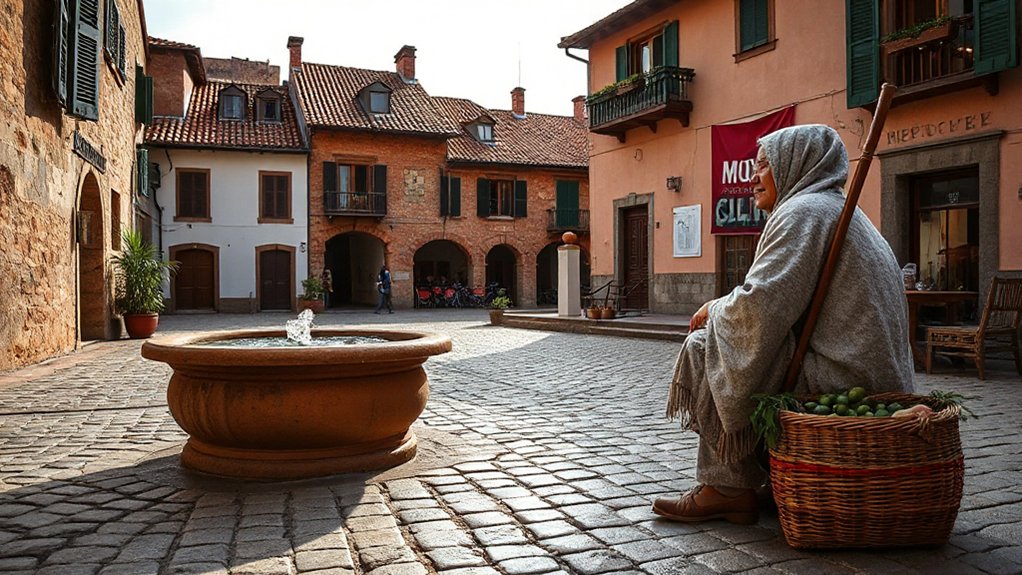
To truly immerse yourself in Castilla y León’s traditions, start by observing daily life as locals do: markets hum with seasonal produce, fiestas pulse with music and dance, and centuries-old crafts persist alongside modern routines.
You’ll notice how Traditional crafts anchor communities, from woodcarving to pottery, revealing techniques passed down with quiet rigor. Folk music threads through streets and taverns, shaping pace and mood; you’ll sense call-and-response patterns in conversations as much as in performances.
Approach with patience: assess how rituals align with work, faith, and harvest cycles, not as tourist spectacles but as lived practice. Questions, not judgments, deepen context.
Seek guidance from artisans and elders, letting practical details—timing, attire, etiquette—reveal the unspoken social fabric behind enduring traditions.
Sleep in Historic Casas Rurales Across Castilla Y León
Across Castilla y León, historic Casas Rurales offer more than shelter—they’re immersive anchors to rural life, stone-and-wood echoes of centuries past, and a base for observing daily rhythms up close. You’ll notice how Historical architecture informs every corner: thick walls, timber beams, and stone courtyards shaping sound, light, and temperature.
Sleep here isn’t just rest; it’s immersion in a living cadence, where mornings begin with farmyard murmurs and evenings soften with drying herbs and lantern glow. The experience blends quiet robustness with Rural hospitality, as hosts balance practical comfort with cultural storytelling.
You’ll gain a tactile sense of place—footholds for memory, and a framework for reflecting on traditions that endure, even as modern life hums beyond the gate.
Eat Like a Local in Castilla Y León: Seasonal Dishes and Tapas
Seasonal Spanish staples anchor Castilla y León’s menus as you stroll from market stalls to tapas bars. By tracking what’s freshest—and where it’s grown—you see how regional recipes shift with the calendar.
And why certain dishes dominate at different times of year. This seasonal rhythm, paired with tapas culture, reveals how locals balance tradition, resource, and flavor.
Seasonal Spanish Staples
In Castilla y León, locals time meals to the seasons, letting fresh harvests and regional produce guide what ends up on the table. You’ll notice staples shift with climate, soil, and tradition, revealing how farmers adapt rather than merely follow recipes.
In winter, hearty legumes and salted pork anchor stews, while spring greetings bring asparagus, peas, and tender greens that pair with rustic bread.
Summer sizzles with tomatoes, peppers, and olive oil, turning simple dishes into bright, low-effort fare.
Farming techniques, from dry farming to careful irrigations, shape flavor depth as much as harvest timing does.
Folk music and communal labor echo in markets, where value rises with terroir.
You’ll sense the region’s pragmatism: eat seasonally, cook purposefully, live intentionally.
Tapas By Season
Tapas in Castilla y León follow the calendar as closely as meals do, turning small plates into a guide to seasonal rhythm. You’ll notice why a council of taverns shifts with sun and wind, offering lighter pinchos in spring and heartier stews when frost lingers.
Tapas by season reveals how producers time harvests, ensuring freshness colors every bite. You’ll pair them with regional wines, tracing how wine regions outline the palate, from Ribera del Duero’s bold reds to Toro’s fruit-forward notes.
In winter, expect robust chorizos and almonds; in summer, cold gazpacho or crunchy enceinte peppers. Mountain adventures feed the appetite for simpler, portable snacks.
Local rhythms matter here, shaping portions, pacing, and social cadence as you move from bar to bar.
Local Market Finds
Local markets in Castilla y León pulse with the same rhythm you felt in the taverns, but here the scenery shifts to stalls and counters brimming with regional goods. You’ll notice cheeses ripening beside cured meats, peppers drying like banners, and honey glowing amber in shallow bowls.
Seasonal produce commands the center, yet the edges reveal stories—artisan crafts threaded into baskets, textiles, and chipped pottery that mark village identity. As you navigate, you sense the balance between demand and tradition: traders trade recipes as much as products, and neighbors haggle with practiced ease.
The atmosphere carries folklore dances in the background, a reminder that food and ritual remain intertwined. Eat slowly, compare textures, and let price, provenance, and craft shape your choices.
Walk Ancient Pilgrim Paths and Medieval Towns in Castilla Y León
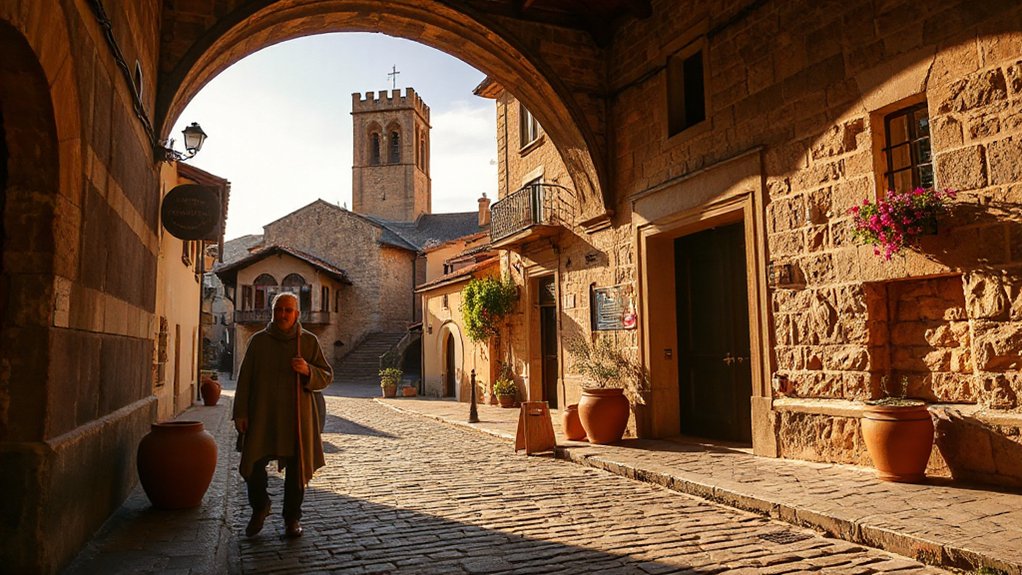
You’ll trace ancient pilgrim routes and step through medieval towns to feel how history still shapes daily life.
As you walk, patterns emerge—ways these paths connected communities, markets, and rituals—showing Castilla y León’s enduring traditions.
This prompts questions about preservation, local identities, and how modern experiences reinterpret these old routes.
Ancient Pilgrim Routes
The landscape reveals a pragmatic spirituality: wayfinding stones, faded mile markers, and simple albergues that sustained walkers before modern comforts. Along the paths, you observe medieval architecture shaping modest towns, with churches and hostels echoing travelers’ needs as much as faith.
Local legends surface in carved emblems and whispered histories, giving texture to stone and soil. You compare routes, noting how geography dictated choice, pace, and encounters, then reflect on why these routes endured as cultural arteries.
Medieval Town Walks
Medieval towns along Castilla y León’s pilgrim routes feel like living museums, where narrow lanes, stone cottages, and watchful church towers frame daily life. As you walk, you notice how medieval architecture threads through markets, bridges, and city walls, revealing practical design choices born of trade, defense, and faith.
You feel the rhythm of footpaths that once carried monks and merchants, now guiding you past relics painted with time. Look for town legends embedded in façades: carved saints, crests, and faded inscriptions that tell stories of guilds, sieges, and sudden fortune.
Your pace matters; slower turns invite granaries, arcades, and balconies to speak. The walk isn’t just scenery but a compact curriculum in how communities sculpted space for sustenance, memory, and continuity.
Castilla Y León Traditions
As you wander Castilla y León’s ancient paths and towns, traditions emerge not as relics but as living practices braided into daily life. You’ll notice how pilgrim routes thread through villages, shaping schedules, markets, and dialogues with locals who treat history as a shared resource rather than a museum exhibit.
Context matters: harvest time, saint days, and seasonal fairs dictate meals, greetings, and pace. The region’s wine regions influence conversations and hospitality, with knowledge passing from vintner to visitor as a form of storytelling.
Folk music surfaces in plazas, in bars after dusk, and at village gatherings, binding communities through rhythm. These continuities reveal an adaptive culture that honors past routes while inviting contemporary exploration.
Join Seasonal Festivities and Community Life in Castilla Y León
Seasonal festivities in Castilla y León unfold as living chapters of community life, where locals greet each cycle with shared meals, traditional dances, and neighborhood rituals.
You observe how a village square becomes a stage for folk music, where melodies thread through conversations and the tempo shifts with the evening breeze. The cadence isn’t spectacle alone; it reveals social bonds, memory, and mutual obligation.
You’ll notice timing matters: saints’ days, harvests, and fairs structure daily rhythms, guiding families through reunions and quiet, collective work.
Participation isn’t passive; it requires listening, etiquette, and reciprocity.
Context matters: regional variations shape costumes, dialects, and repertoires. By engaging, you experience more than entertainment—you glimpse how identity is performed, maintained, and transmitted through traditional dances and communal rites.
Learn Hands-On: Cooking, Foraging, and Craft Traditions in Castilla Y León
From markets to fields and kitchens, hands-on learning in Castilla y León blends practicality with tradition, inviting you to roll up sleeves and see how food, forage, and craft emerge from place, season, and memory.
You’ll observe how traditional crafts anchor daily routines, from weaving and pottery to repair work that keeps communities resilient.
In cooking sessions, culinary techniques reveal regional identity through ingredients, timing, and shared methods, not just recipes.
Foraging contexts connect you to land cycles, teaching nourishment with sustainability and restraint.
Analytical reflection accompanies practice: you assess provenance, labor, and social meaning, noting how craft and cuisine encode history in texture, aroma, and pattern.
This immersion blends skill, place, and memory into a coherent, living tradition.
Frequently Asked Questions
What Is the Best Time to Visit Regional Festivities?
The best time to visit regional festivities is spring and autumn, when Cultural festivals and Seasonal celebrations flourish with fewer crowds, appreciating local customs. You’ll observe, analyze, and participate, noting weather, schedules, and community rhythms shaping each event.
How Do I Book Authentic Rural Homestays?
You book authentic rural homestays by researching trusted rural networks, reading reviews, and contacting hosts directly. You’ll observe cultural etiquette, savor local cuisine, compare options, and confirm meals, transport, and check-in times before finalizing your arrangements.
Can I Join Local Farming Activities as a Tourist?
Yes, you can join, but expect seasonal slots and local coordination; you’ll observe Local farming customs and participate in hands-on tasks, while respectfully attending Traditional harvest festivals, gaining context through timing, community, and the rhythms of rural life.
Are There Language Barriers With Rural Hosts?
Language barriers vary; you’ll notice Cultural differences and Communication challenges, but they aren’t walls. A bridge forms with patience, listening, and asking. You’ll connect more deeply when you adapt, observe, and share respectfully with rural hosts.
What Safety Precautions Accompany Traditional Activities?
You should follow safety guidelines: you’ll wear appropriate gear, listen to locals, and ask questions before joining activities. Cultural sensitivity and Personal safety matter; assess risks, stay with guides, and respect boundaries to minimize harm and misunderstandings.
Conclusion
In Castilla y León, you’ll notice how small chances shape big memories: a shared sobremesa after a harvest dinner, a bell toll syncing with your breath, a stray cat guiding you toward a tucked-away tavern. The coincidence of ancient paths meeting your modern pace reveals a rhythm you didn’t know you were chasing. You leave not just with photos, but with a felt sense of place—where history quietly overlaps your ordinary day, inviting you to stay a little longer.