
Visit Bilbao’s Mercado de la Ribera for a sunlit seafood and pepper burst, then wander San Sebastián’s La Bretxa to taste pintxos and cured ham. Hop coastal markets in Getxo and Bermeo for salt air and ocean-fresh catches, watch peppers blister on open flames, and savor rustic bread with cider. Arrive early, compare prices, and greet vendors with Basque warmth. Curious what flavors and crafts await next? There’s more to uncover just ahead.
Key Takeaways
- Bilbao’s Mercado de la Ribera offers a vast, sunlit hub of seafood, peppers, and olive oils with a lively market atmosphere.
- San Sebastián’s La Bretxa Market features vibrant stalls, pintxos, peppers, seafood, and cured ham culture.
- Coastal markets in Getxo and Bermeo provide salt-air experiences with fresh seafood and local produce.
- Market architecture often blends glass, brick, and iron, creating immersive edible museums of Basque heritage.
- Planning tips: visit early, compare prices, and plan coastal market routes to maximize provenance, timing, and seasonal specialties.
Basque Markets: What Makes Them Special
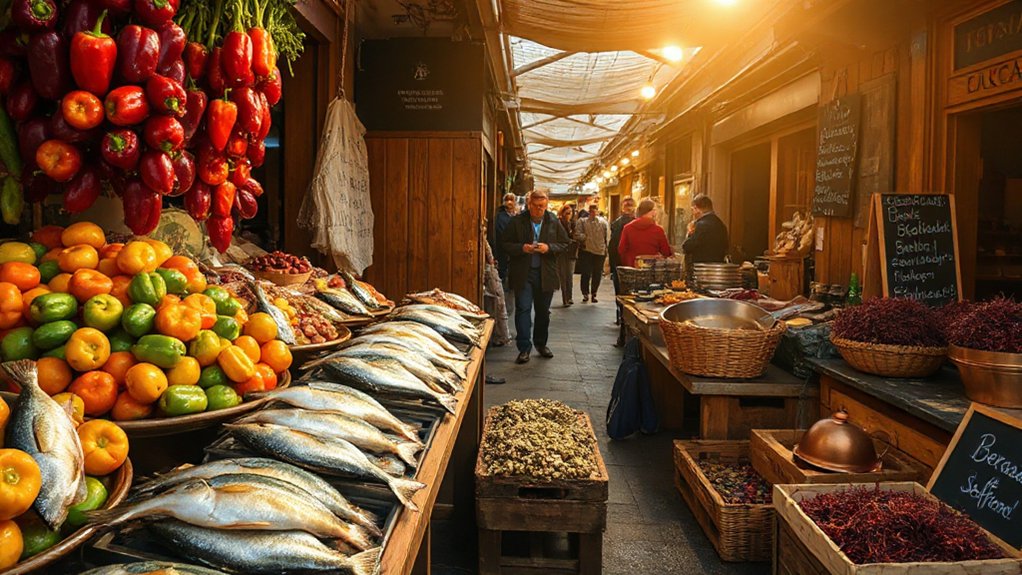
In Basque markets, the air hums with a steady murmur of bargaining, footsteps, and the sizzle of peppers on grills tucked between stalls. You feel the pulse of Cultural traditions in every gesture, from a vendor’s practiced palm to a grandmother’s quick nod of approval.
Colors shift with the morning light: peppers lacquered in sun, fish laid out like artworks, breads dusted with flour. Market architecture shapes your pace—narrow aisles, vaulted ceilings, wood beams that creak with receipt-worthy stories.
You sense communal rhythm in the way hands exchange recipes as fast as prices. You’re invited to taste first, ask second, learn always.
The texture of the place lingers: warm chatter, honest craft, and a culture that feeds memory as surely as it feeds you.
Bilbao’s Mercado De La Ribera: a Foodlover’s Corner
Bilbao’s Mercado de la Ribera inventories the city’s appetite in one vast, sunlit artery, where you wander between stalls that glow with peppers, seafood, and olive oils as if curated for a feast you haven’t earned yet. You feel the hum of traders, the quick banter that hints at family recipes passed down through generations.
The market architecture—glass, brick, and iron—frames your sensory map, guiding you from seller to sampler with ease. Local culinary traditions unfold in bite-size moments: salt-cured cod, pintxos-on-a-stick, churros warm from the fryer.
You’re not merely shopping; you’re tasting Basque heritage, honoring daily life in savory rituals. Come hungry, curious, respectful, and leave with both memory and a bagful of inspirations.
San Sebastián: La Bretxa, La Parte Vieja’s Market Stalls
San Sebastián’s La Bretxa Market rises at the heart of La Parte Vieja like a living mosaic of sound, scent, and color, where stalls spill with razor-bright peppers, glistening seafood, and charred pintxos skewers that promise a quick, glorious bite.
You weave through narrow aisles as vendors shout, offering tips and tipsy samples, embodying market traditions that have fed generations. The air tastes of sea spray, smoke, and cured ham, a harmony of local flavors that turns a simple purchase into ceremony.
You learn the rhythm: weigh, weigh again, haggle with a smile, and move on to the next stall. Every purchase connects you to Basque heritage, a tactile thread in the city’s living culinary tapestry.
Coastal Markets of Getxo and Bermeo: Oceanfront Vibes
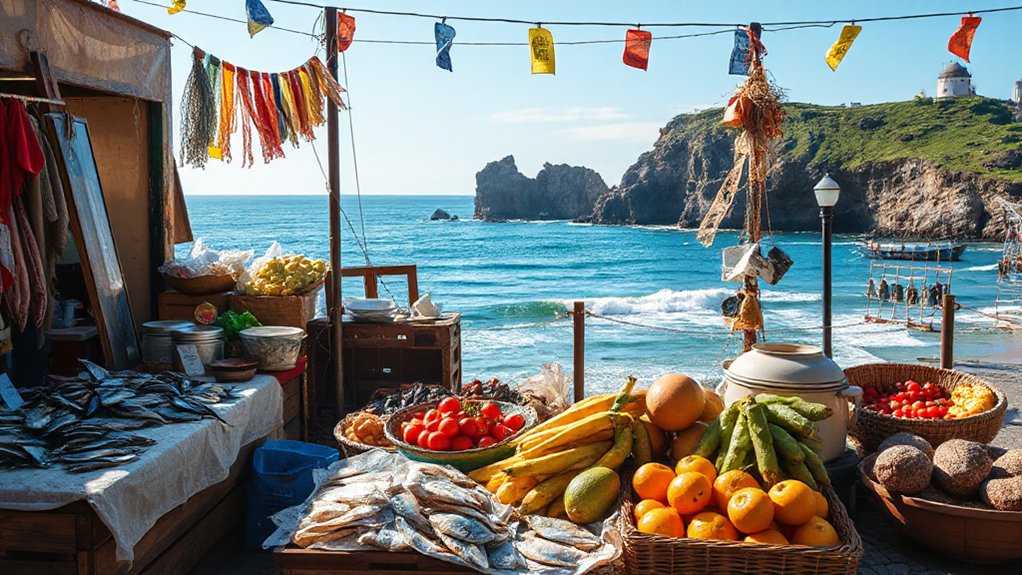
Coastal markets in Getxo and Bermeo pulse with salt air and Atlantic light, where stalls cling to the sea breeze and colors pop against weathered wood. You wander narrow lanes, hearing gulls, catching a whiff of brine and citrus.
The rhythm is practical, not theatrical: vendors call out bargains, hands dusted with flour, fish slick with ice. You taste the contrast between sea-salt tang and earthier aromas from inland stalls, a quick lesson in local life.
Oceanfront shopping rewards your curiosity with seafood delicacies prepared on the spot, sushi-like bites, charred peppers, and fresh prawns that vanish fast. The coastline frames every purchase, turning routine errands into a memory: salt-kissed, sun-warmed, authentically Basque.
What to Taste at Basque Markets: Txistorra, Peppers, and Pan
Txistorra sizzles as you press through a crowded market aisle, its paprika-kissed aroma lifting above brine and citrus.
You sample peppers blistered on open flames, their sweetness balanced by smoke and olive oil.
Pan-trained vendors ladle broth, releasing steam that fogs Market architecture with a timeless beat you can taste.
Traditional snacks line the stalls, inviting bites that pair with crusty bread and local cider.
Your senses sync as savories meet stories, and you realize Basque markets are edible museums.
- Txistorra bite
- Grilled peppers
- Pan with warm emulsions
- Rustic bread and cider combo
Navigate Basque Markets Like a Local: Timing, Queues, and Picks
You’ll time your visit like a local, weighing early-morning calm against the rush and knowing which stalls release their bounty first. The queues reveal rhythms—quiet hours in the shadows, quicker turns at the end of the day—so you’ll swap lines for a smarter path.
Trust the pickers, whose slight hand signals and local know-how guide you to the freshest peppers, chops, and charred-skewered delights.
Timing and Tradeoffs
When you time your Basque market trip right, you ride the rhythm of the day: vendors show up early, the stalls fill fast, and the best picks vanish just as quickly as the coffee cools. You’ll feel market history in the air—the seasoned hands that know every aroma, every texture—and you’ll hear vendor stories in their careful, confident banter.
Tradeoffs become your guide: freshness vs. prep time, cost vs. quantity, crowd energy vs. quiet corners, local vs. imported. Plan around dawn, but stay nearby for the late burst of color.
- Arrive before peak to snag a centerpiece and learn a vendor’s timing
- Compare prices quickly across stalls to balance quality and value
- Prioritize items with strong provenance and flexible prep
- Save room for a last-minute accidental find, a local surprise
Queues and Quiet Hours
Queues at Basque markets form a living map of the day: early birds thread through the doors as the dawn light catches baskets, and quiet hours sneak in after the lunch rush when the stalls narrow to whispers and the best picks rest in the back.
You study the rhythm, learning timing strategies that suit your pace: arrive just before the crowd, skim the front for the freshest, then drift toward the quiet lanes where vendors pause to chat and you listen for tips beyond the glass.
Quiet hours aren’t empty; they’re a chance to connect, compare aromas, and choose with calm. In this window, your cart fills with character, not haste, and you walk home carrying the market’s quiet pulse.
Picks by Local Handlers
- Track the early lines to time your tastings
- Notice which producers rotate, keeping staples fresh
- Follow hand signals that signal discounts
- Listen to anecdotes that reveal regional quirks
Crafts and Local Produce: Beyond the Food Stalls
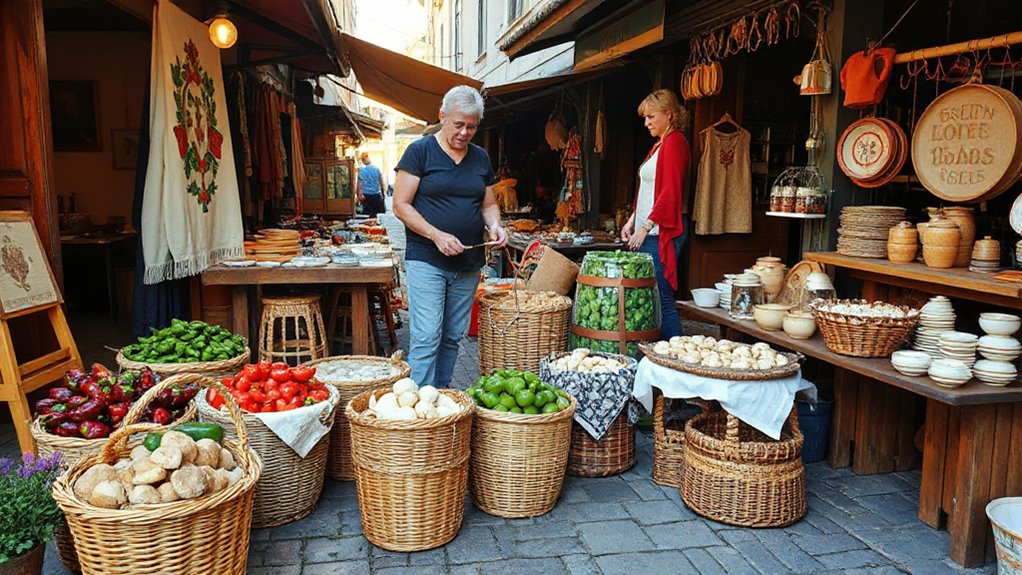
You’ll notice how locals trade more than tastes here—handcrafted textiles, carved madera, and copperware catching the light like small miracles.
As you wander, the farmers’ stalls reveal produce passed down through generations, from peppers with bright sheen to rustic cheeses that carry the season in every bite.
You’ll hear stories of techniques shared across generations, turning everyday crafts into living Basque culture you can touch and take home.
Local Craft Varieties
For a market that pulses with more than just food stalls, the Basque Country’s local craft varieties showcase a living thread of culture: hand-woven textiles, carved wooden kitchenware, and gleaming copper pieces that tell stories of shepherding hills and coastal tides.
- local artisan
- craft diversity
- tactile textures
- coastal copper
You sense the texture in each weave, the scent of resin in carved spoons, and the glow of copper catching the morning light. The crafts speak of generations, techniques passed down in kitchens and workshops.
You’ll notice how form and function meet tradition, from sturdy bowls to intricate belts. This isn’t mere shopping; it’s immersion in a culture that honors handwork, patience, and artistry, inviting you to support makers who sustain regional identity and technique.
Produce Through Markets
Markets in the Basque Country aren’t just about produce; they’re where crafts and crops mingle, creating a sensory tapestry you can taste, touch, and feel. You wander between stalls where bright peppers glisten and hand-woven baskets cradle mushrooms like small treasures.
The air carries citrus zest, smoke from chorizo, and the scent of warm_COUNTRY bread. You notice farmers smiling, enthusiastic to share stories of long days and lean seasons, a kinship that turns purchasing into connection.
Organic produce stands shout freshness, while small artisans thread cloth and dye near the fruit, inviting conversations about soil, season, and soil again. You savor farm to table honesty, choosing peppers that glow with sun and lineage, supporting a local, resilient food culture.
Artisan Techniques Shared
Artisans in the Basque markets stitch craft and crop into a shared ritual, where every stall reveals a method as storied as the produce. You’ll watch hands move with rhythm: stitching patterns, shaping clay, and twisting reed baskets, each technique a thread in regional memory.
Traditional weaving and pottery techniques aren’t relics here; they’re living voices you can hear in the shopfront chatter and in the scent of woodfire.
- Learn traditional weaving patterns echoing hillside terraces
- Observe pottery techniques that coin the pace of the day
- See baskets braided from local reeds and laurel fibers
- Hear master potters explain glaze and burnishing in real time
A Day of Market-Hopping Along the Basque Coast
From the moment you step onto the Basque coast, the day invites you to wander from sunlit stalls to salt-scented air, chasing the rhythm of markets that thread villages together.
You hop from one harbor booth to another, tasting pintxos between vendors and listening to open-air chatter about cultural traditions.
A stall holder shares stories of Market history, how ferry routes and fishing lore shaped timed arrivals and seasonal specialties.
You notice saffron, peppers, and fresh seafood piled in rhythmic bursts, each display a map of coastal lives.
The scent of grilled txistorra mingles with diesel and seaweed, and you realize the markets aren’t mere commerce but living museums of Basque appetite, memory, and craft.
Planning Your Basque Market Visit: Practical Tips and Resources
Planning your Basque market visit starts long before you step foot inside the stalls: map out which towns you want to stitch together, check opening hours, and note seasonal specialties that should be on your radar. You’ll sense local culture when you plan, not just wander.
Expect vendors to greet you in Basque or Spanish, and follow Market etiquette: say hello, ask permission before photographing, and handle goods with care.
- Create a lightweight route that links coastal towns with food markets.
- Verify hours on market days and holiday closures.
- Learn a few phrases to show respect and connect with vendors.
- Bring cash, small change, and reusable bags for fresher picks.
Cultural traditions enrich your day; practical prep makes it seamless.
Frequently Asked Questions
Are Markets Open on Siesta and Sundays Across Regions?
Yes, markets mostly close for siesta on Sundays, though some regional specialties spill onto mornings. You’ll feel Market traditions pulse in lively stalls, savoring cured ham, cheeses, and peppers; you’ll learn local rhythms and traditions firsthand, respecting regional norms.
Which Hours Are Best for Fresh Seafood Stalls?
Seafood freshness peaks early; you’ll want to arrive around market timings of sunrise to mid-morning. You’ll dodge the crowds, yes, and savor the bite-sized irony of fresh catches, exactly when stalls glow brightest with Seafood freshness.
Do Stalls Offer Samples or Tastings at Basque Markets?
Yes, stalls offer samples or tastings, letting you savor local cheeses, peppers, and seafood as you wander. You’ll feel Sampling traditions echo through the Market ambiance, savoring bites between banter, markets alive with color, aroma, and cultural storytelling.
Is There an English-Friendly Map or Guide Available?
Yes, there’s an English-friendly option: look for English maps and guided tours. Picture a map as a mother guiding you through flavors, where English maps open doors and guided tours translate Basque markets into a shared, lively story.
Are There Family-Friendly Activities at Markets for Kids?
Yes, you’ll find Kids’ activity zones and family friendly workshops at many markets, where you explore Basque crafts, taste local bites, and watch peppers glow in markets’ color-filled stalls, all while your kids discover culture hands-on.
Conclusion
You wander the Basque markets like a seeker tracing a coastline of colors. Each stall is a lighthouse, signaling flavors and stories you carry back to your day-to-day harbor. The peppers blaze, the txistorra sparks, bread breathes warmth into your hands. Queues become quiet constellations, guiding you toward shared meaning. Your choices ripple outward, a tide returning home with a new gaze—symbolic anchors dropped in fresh sand, reminding you that community, like the market, is living, edible, and forever unfolding.