
Immerse yourself in Asturias, where emerald hills meet the Cantabrian Sea and markets pulse with salt, cider, and smoked paprika. You’ll savor Fabada Asturiana’s velvet beans steeped in chorizo and saffron, bite into briny cod or fresh mackerel grilled simply, and toast with tangy sidra that fizzes at the pour. Coastal brine meets mountain smokiness in stews and cheeses, while cider rituals and hornazo festivals mark the seasons. Curious about the flavors guiding your plate? There’s more to discover beyond the first bite.
Key Takeaways
- Asturias blends sea, mountains, and cider into its traditional dishes, from fabada asturiana to fresh seafood, reflecting local ingredients and seasonal rhythms.
- Key dishes highlight: fabada with chorizo and saffron; simple, flavorful seafood preparations; and regional cheeses, sidra, and smoked paprika.
- Core techniques include slow simmering, light curing, grilling, and finishing with cider, olive oil, and herbs to preserve brightness and aroma.
- Cider culture and hospitality shape dining—pouring ritual, social sharing, and pairing with regional dishes at taverns and markets.
- A typical day in Asturias mirrors the culinary rhythm: market mornings, communal caldo and fabada lunches, and sidra toasts at sunset.
Asturias Unveiled: Key Landscape, Ingredients, and Sidra
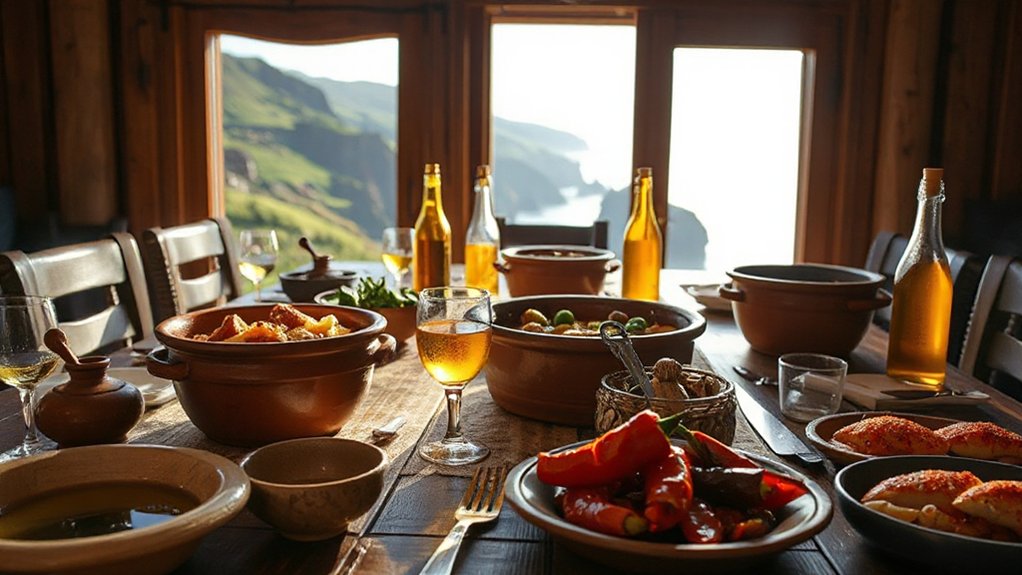
Nestled between emerald hills and the misty Cantabrian Sea, Asturias unfolds its rugged beauty in a landscape that shapes every bite and sip. You’ll feel the salt on your lips as the coast folds into green valleys, where Asturias geography maps textures into flavor.
The air carries pine, cider, and mine-adobe memories, guiding your palate toward fresh cereals, potatoes, and seafood caught at dawn. Sidra pours like pale rivers, inviting you to toast the day with a sharp, bright bite.
You notice how Asturian festivals awaken seasonal produce: apples, chicory, cod, and cheese, each honored in simple, honest plates. In this country, landscape becomes ingredient, and tradition seasons every breath you take.
Fabada Asturiana: Make the Ultimate Comforting Bean Stew
Fabada Asturiana isn’t just a stew; it’s a warm hug from the Cantabrian coast, a pot simmering with beans that hold the memory of misty hills and long market mornings. You taste the dawn in each bite, fat-rich chorizo releasing smoky steam, saffron-gold hues blooming as soaking-liquid coats the plate.
You’ll notice how the beans soften to velvet, soaking up paprika’s smoky kiss and the pork’s umami depth. The broth stays clingy, almost lacquered, inviting slow sips between bites.
You’ll finish with a sigh, a sense of place and time braided together. Traditional desserts echo the meal’s sweetness, while local beverage customs keep you company with rustic warmth, welcoming everyone to this comforting, regional ritual.
Cider Culture 101: Tradition, Tasting, and Pairings With Asturian Dishes
Feel the kick of Asturian cider as you pour with a whisper, watching bubbles rise like small celebrations in your glass.
You’ll notice how cider-pairing traditions guide every bite, shaping plate and palate with a tart snap and malty warmth.
Let the tasting techniques and etiquette unfold, and you’ll sense the region speaking through locad—no, through every crisp swallow that makes a simple dish feel like a shared feast.
Cider-Pairing Traditions
Ever wondered why cider pours with a hiss and a tilt in Asturias? You’ll learn the ritual that grounds every table, every shared bite. Cider fermentation marks the heartbeat of the season, a chorus of apples turned gold and tart, coaxed by air and time.
You tilt the bottle just so, catching the stream and the foam, listening for that crack of freshness as bubbles rise like tiny fireworks. The pour itself becomes a conversation with the plate: salty cod, smoky chorizo, or firm cheese.
Traditional pouring guides your palate, balancing sharp apple brightness with the dish’s weight. In these moments, you sense culture distilled—simple, stubborn, undeniably Asturian.
Tasting Techniques & Etiquette
Cider culture in Asturias is a conversation you taste with your senses, not a ritual you perform from afar. You approach the glass with anticipation, sensing bubbles, aroma, and a chalky bite that signals the region’s soul. You trust tasting etiquette: steady pours, a listening palate, and respect for the waiter’s rhythm.
Table manners guide the moment, keeping the table’s hum civilized as you learn the cider’s personality.
- Mind the pour cadence and the server’s instruction
- Swirl, sniff, sip; note acidity and tannin balance
- Speak softly about flavor, not bravado
- Pair thoughtfully with dish notes, not overpowering them
- Practice patient, polite tasting, honoring regional tradition
Asturias’ Princely Pork: Cured Meats You Must Try
You’ll taste the crown jewel of our cured meats, where heritage pork becomes a tapestry of salt, smoke, and time.
The air carries notes of woodsmoke and garlic as thin slices melt on your tongue, revealing textures that echo our hillside farms.
This is where every bite starts a story—cured mastery you must seek, again and again.
Cured Meats Spotlight
Asturias isn’t just a landscape of green hills and fog; it’s a pantry steeped in smoke and salt, where cured meats carry the coast’s salt breeze and the mountains’ pine wind in every bite.
- Charcutería traditions enliven your table with each slice
- Cured meats varieties reveal sea-scented and woodland notes
- Salt, smoke, and time fuse into velvet textures
- Each bite whispers harvests, markets, and mountain trails
- Aromas cling to fingers, inviting another, slower mouthful
You taste how inland smoke meets sea air, how pork’s generosity wears its cure like a badge, how pimentón and ajo elevate without shouting. This isn’t merely food; it’s a regional memory, a rhythmic procession of tradition and taste, pulsing with life from the back alleys to the shore.
Heritage Pork Delights
Heritage pork in Asturias wears its crown in slow-cured glory, where each slice crowns the plate with time-won sweetness and coastal brightness.
You’ll savor ribbons of velvety fat, a whisper of sea salt, and a herbs-and-smoke kiss that lingers on the tongue.
The tradition of traditional curing threads the air with earthy wood and hillside breeze, guiding you from meadow to market to table.
In a bite, you taste hillsides, salt air, and a patient hand at the saltbox, a craft handed down through generations.
This isn’t mere meat; it’s a heritage pork ritual, a regional beacon you’ll want to share.
Let those flavors remind you why Asturias prizes disciplined, delicious patience.
Cantabrian Sea Delights: Fresh Asturian Seafood Specialties
Beneath the Cantabrian skies, fresh catches glisten on ice, and the sea’s breath fills the air with briny promises. You taste the Atlantic in every nibble, feel salt cling to your lips, and hear nets whispering of early morning tides. Asturian seafood speaks in quick, vivid notes, from limpets to mackerel, each bite carrying wind and wave.
You savor the purity that coastal fishing techniques preserve, refusing fuss, embracing discipline. Seafood preservation keeps the essence intact, letting flavors stay true from dock to table.
- Fresh catches first: mackerel, hake, and crab
- Simple grilling with olive oil and lemon
- Steaming to lock in moisture and aroma
- Salt cure for robust, crisp bites
- Local-accent sauces amplifying natural sweetness
Traditional Stews Beyond Fabada Worth Trying
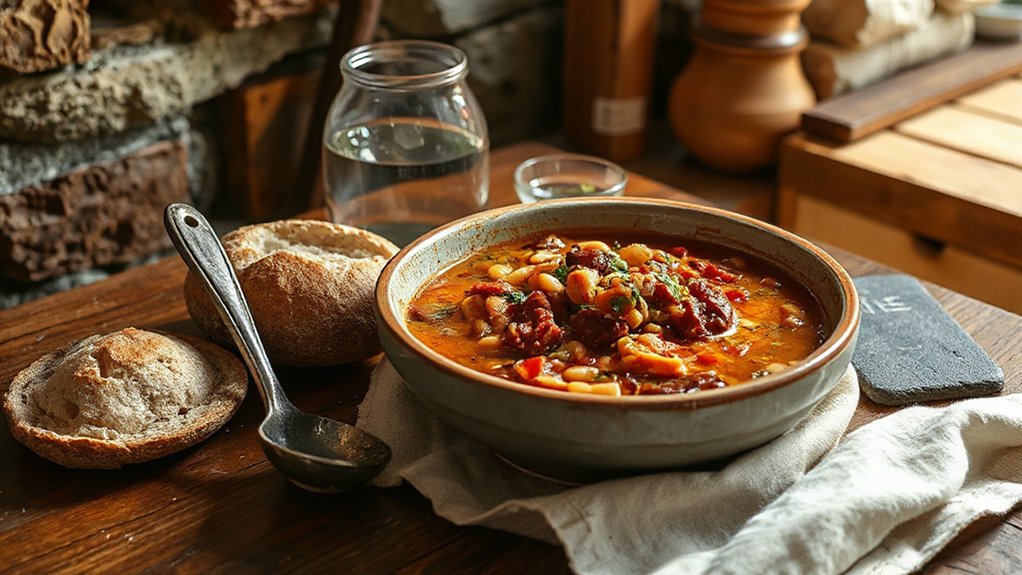
When the stove hisses and the pinchos of steam rise, traditional stews beyond fabada invite you to linger, letting every simmered layer tell a story of mountain herbs, smoked meats, and patient hours.
You taste the deep, earthy aroma as vegetables surrender their sweetness into the broth, a chorus of Vegetable medleys that anchor rustic textures.
Through the pot’s cloudy veil, you sense smoke curling from chorizo or garbanzo-rich additions, binding with tomatoes and onion to form a comforting, slow-told memory.
Each spoonful drinks the air of hillside kitchens, where rustic broths carry the salt of sea winds and the warmth of hearth warmth.
You finish, satisfied, already planning your next simmer.
Cheese, Sidra, and Orchard Flavors: Asturias’ Regional Highlights
Nestled between sea breeze and orchard sun, Asturias offers a sensorial trio you can taste: tangy cheeses, crisp sidra, and orchard fruits that glow with the season. You’ll notice Cheese varieties carried by mountain dairies, each bite a story of pasture and patience.
Sidra presses hiss open, leaving a pale spark of cider citrus on the tongue. Orchard fruits appear with sun-warmed sweetness, firm skins, and bright aroma, echoing groves stitched through village lanes.
- Tangy cheeses with mineral notes from sea air
- Fresh sidra with autumn effervescence
- Soft-rinded shepherd’s cheese melting over bread
- Orchard fruits offering crisp biting sweetness
- A memory of hillside markets in every bite
How Locals Season and Finish Dishes the Asturian Way
You taste how locals season with a confident, sun-warmed hand, juggling herbs, salt, and aguardiente kiss of fire-to-pan aroma.
You feel the finishing touch in the air—smoked paprika, a squeeze of cider, a drizzle of olive oil—locking the dish into Asturias’ heart.
You sense the technique behind every stroke, a regional language of flavor that invites you to cook, then share.
Locals’ Seasoning Secrets
Locals don’t measure flavor by bravado; they coax it from simple ingredients and patient hands, letting salt, heat, and a splash of cider do the talking.
You’ll sense how each dish balances acidity, smoke, and sweetness, guided by memory as much as technique. Seasoning isn’t a stunt; it’s a conversation with the pan, a rhythm you feel in your fingertips.
- Use sea salt sparingly, letting natural brine wake the terroir
- Add cider splash late, to preserve bright aromatics and spark
- Dust with paprika or pimentón for gentle warmth and color
- Toast herbs briefly to release essential oils
- Taste often, adjust with restraint, savor the coastal influence
Finishing Touch Traditions
Finishing touches arrive like a quiet clap of the hands, a final wink of aroma that seals the meal. You lift a pinch of sea salt, a splash of cider, and the dish brightens as if the hillside itself breathed.
In Asturian kitchens, you taste intent: a flick of herb, a wink of smoke, a proper drizzle that whispers “bien hecho.” Festive celebrations color the ritual, with nimble hands weaving patience into every plate.
You notice the glow of copper pans, the clink of glassware, and the rhythm of stories shared in soft, confident voices. Attire matters, too—traditional attire nods to heritage as you plate, presenting a meal that tastes of home, season, and pride.
Asturian Flavor Techniques
Asturian flavor comes to life in the way kitchens layer sun, sea, and pasture into every bite. You’ll feel the season in the air as you savor bold accents, gentle acidity, and a touch of smoke that lingers like coastal mist.
You season with restraint, letting the terroir speak through simple, honest ingredients. The finish is where memory settles: a whisper of Asturian wine lifting fat, a kiss of salt brightening sea-sweet notes, and a nod to traditional baking that seals warmth into crust and crumb.
You trust timing, not fuss, so every dish ends radiant, balanced, and unmistakably Asturias.
- Use Asturian wine to brighten sauces and stews
- Balance salt with sea breeze and creaminess
- Let smoke from wood fire frame flavors
- Tie dishes with traditional baking for crust and aroma
- Toast, then serve to honor the land
Markets to Table: Sourcing Authentic Asturias Ingredients
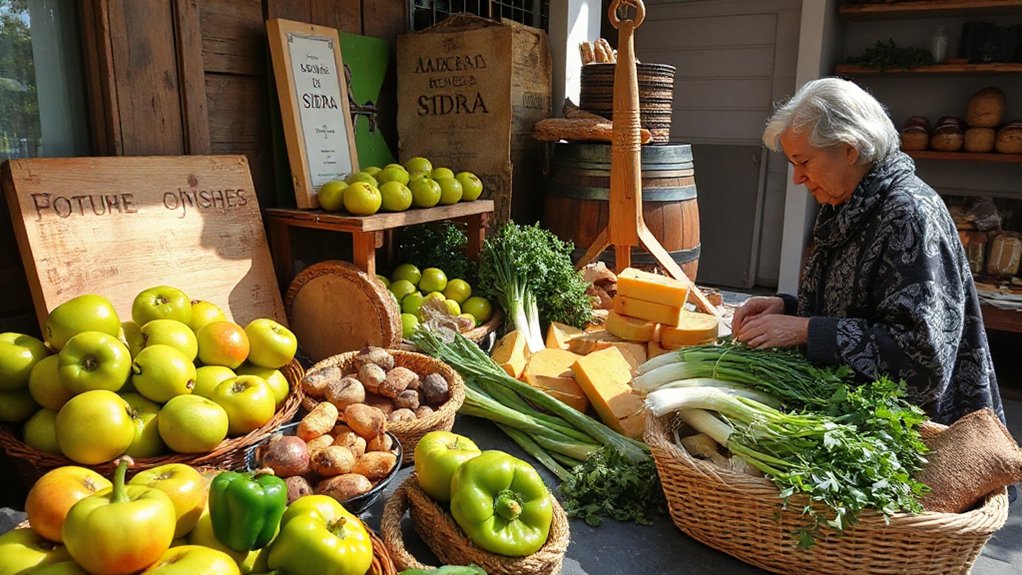
From stall to stove, you’ll trace the bright edge of the coast and the briskness of the mountains in every bite, starting with the markets that wake Asturias each morning.
You move between salt-scented stalls and green tomato brightness, letting the day’s pulse guide your choices. Farmers markets blur with chatter, bells, and the crisp snap of peppers; you listen for the creak of crates and the approving nod of farmers.
Local artisans offer cheeses, cured salt, and honey that glints like afternoon rain. You taste the sea’s memory in anchovies, the mountain’s breath in smoked paprika.
Sourcing feels intimate, direct, and honest, connecting table to hillside, coast to kitchen, in every deliberate bite.
Regional Variations You’ll Notice Traveling Asturias
Across Asturias, the kitchen nerves with contrast: you’ll taste the coast’s brine in cider-soaked cod and feel the mountains’ pulse in smoky paprika dust drifting over hearty stews. You’ll notice how regional dialects color the markets, taverns, and cookfires, lending each village its own cadence.
In traversal, year-round traditional festivals thread flavor with memory, from puff-piled sidra rituals to fire-warmed hornazo shared at noon. The land’s bounty shifts, but hospitality stays constant, inviting you to listen to every simmer and breath of sea air.
- Coastal zest vs. inland smoke in every bite
- Sapid cider culture meeting savory stews
- Dialectic phrases seasoning conversation and recipes
- Festival foods shaped by seasons and prayers
- Regional dialects, traditional festivals coloring texture and tone
A Day of Asturian Meals: From Dawn to Dusk Pairings
Dawn nudges the coast awake with a whisper of salt as you trade the quiet of the hotel for a café slate and warmed churros, dipping into a plate of tortilla that smells of olive oil and aging sun.
You pace a day in Asturias with steady ritual: Traditional pastries tucked beside coffee customs, a morning bite that tethers land to sea.
The village market hums, aromas looping through narrow streets, saffron and apple cider in the air.
Midday brings robust caldo and hearty fabada, a chorus of voices around a wooden table.
Sunset invites a final toast—sidra fizz, salty air, and a lingering, honeyed finish that lingers on your palate.
You walk on, satisfied, senses seasoned by place.
Cooking Asturian at Home: A Practical Starter Guide
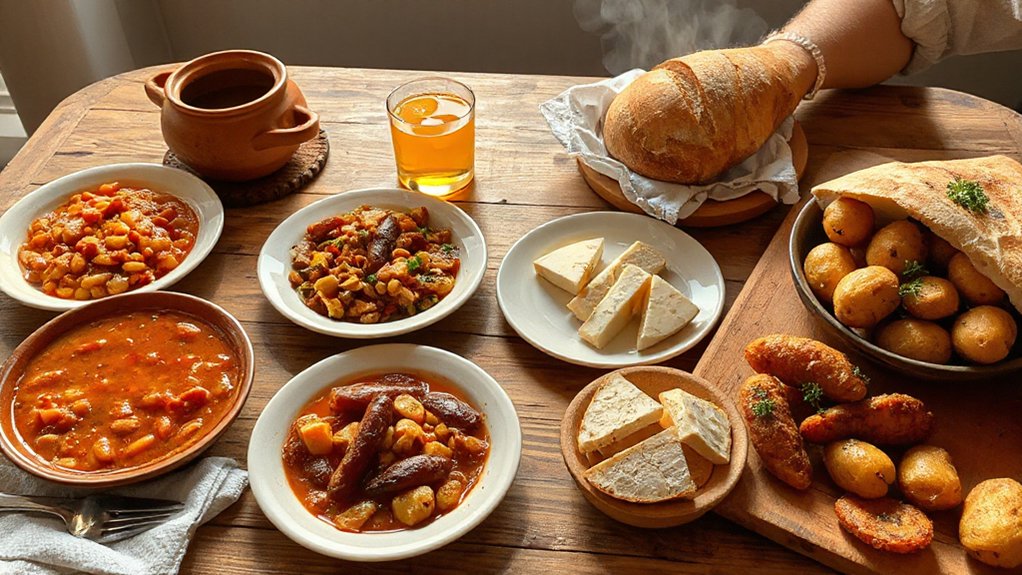
Start with the basics you can trust: pick fresh, local ingredients, and let seasonality lead. You’ll discover Asturian flavors begin with honest sourcing, then bloom in your kitchen. Home cooking here means simplicity that honors craft, not showmanship. You’ll feel the ocean air in seafood, the valley’s sweetness in apples, and the smoky warmth of sidra-scented air as you fry veg or braise meat.
Ingredient sourcing guides your timetable—from markets to stovetop, turning patience into flavor. The result is vivid, comforting, and distinctly regional.
- Choose market-fresh seafood and hillside produce
- Embrace simple braises that deepen with time
- Pair earthy tubers with bright herbs
- Doctor with cider, smoke, and patience
- Practice clean, organized mise en place
Frequently Asked Questions
How Do Asturian Dining Etiquette Differ From Other Spanish Regions?
You’ll notice Cultural dining customs differ: you pace courses, share plates, and savor Regional food presentation, where porridge-like fabada and cider flows shape conversations, not rush. You taste place, feel hospitality, listening, and embracing slower, communal dining rituals.
What Are Hidden Food Markets Only Locals Know in Asturias?
You’ll doubt the locals’ picks, but you must trust this: Local market hidden gems reveal Asturian food stall secrets, where olives hiss, sea breeze mingles, and you’re guided by whispers through narrow halls, savoring authentic markets you won’t forget.
Which Asturian Dishes Best Suit Vegetarian Diets?
You’ll savor vegetarian tapas and plant based stews, choosing Asturias’ freshest veggies, hearty lentils, and smoky peppers. You taste crisp apples, earthy potatoes, and nutty cheeses, feeling sea air and hillside herb notes guiding your cozy, sunlit meal.
How Is Seafood Freshness Judged in Asturian Markets?
Seafood quality indicators guide you: you judge by bright eyes, firm flesh, and clean scent. Market freshness standards insist on cold, quick turnover and translucent shells, with fishermen’s pride echoing through every stall you wander along Asturias’ shore.
Where Can I Find Authentic Asturian Desserts and Pastries?
You’ll find authentic Asturian desserts and pastries in cozy bakeries across Oviedo and Gijón, where Asturian cider pops open beside flaky custard tarts and walnut pastries, while traditional fabada lingers, inviting you to savor festive seafaring aromas.
Conclusion
In Asturias, you’ll taste the land itself—peaty air, briny tide, and smoke curling from a pan. Let the lunes of arenal mornings, the hearty pulsing of fabada, and the crisp cider fizz carry you home. If your heart isn’t dancing by the time you finish, you’ve surely never met a plate this brave. Think of this as a map you can eat: savory routes, rugged coastlines, and a lifetime of cozy, spirited meals waiting in every bite.